
A Nigerian woman has brought attention to a worrying situation involving a loaf of bread that she claims stayed fresh for more than two months. She shared her experience online, expressing significant concern regarding food preservation standards.
In a video demonstration, she detailed how the bread had been kept on her shelf for the entire duration without showing any signs of going bad. She observed that it retained its appearance, smell, and texture, which she found deeply unsettling.
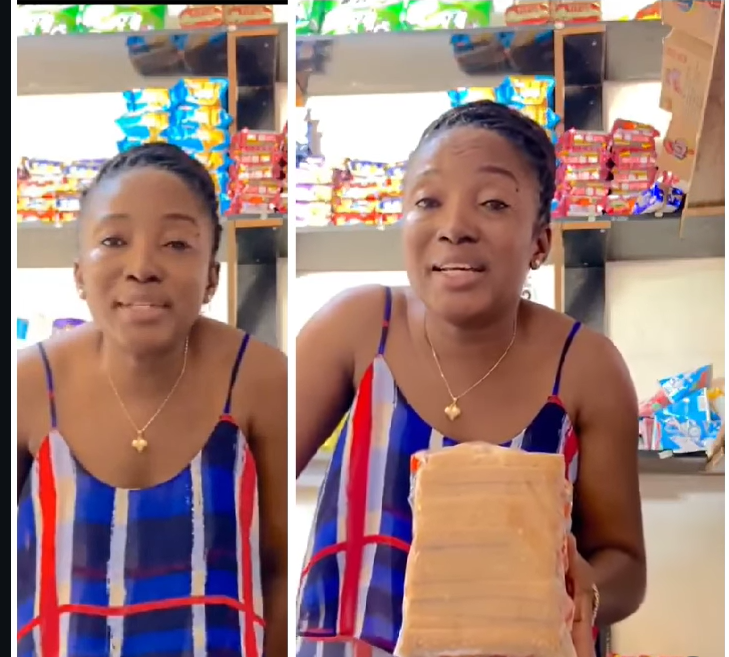
The woman noted that typically, vendors would replace unsold bread within a short timeframe, often a couple of days. However, in this instance, her attempts to contact the suppliers were unsuccessful, leaving the bread untouched for several weeks.
Driven by curiosity, she decided to taste the bread and reported that it was still pleasant to eat, intensifying her unease about the situation. This led her to question the type of ingredients or preservatives used that could maintain bread in such a state for such an extended period.
She further mentioned that her research revealed similar accounts from other individuals online, with some alleging that specific bread products can remain edible for many months, or even up to a year, without spoiling.
Raising alarm about potential health risks associated with the bread's extreme longevity, she cautioned that the substances responsible for its preservation might pose a danger to consumers.
A video illustrating this situation has been shared.
Comments (0)
You must be logged in to comment.
Be the first to comment on this article!