
Dr. Bosun Tijani, the Minister of Communications, Innovation, and Digital Economy, has asserted that crises arising from skills related to Artificial Intelligence (AI) can present opportunities for renewal and economic advancement in Nigeria, provided they are managed proactively. Tijani made these remarks in Lagos on Wednesday while delivering a keynote speech at the Crisis Management Advocacy Month Flagship Conference, hosted by CMC Connect, a perception consulting firm. The conference's theme was 'Crisis Management in the AI Milieu: New Threats, Smarter Responses.'
He noted that while AI has the potential to exacerbate crises, organizations need to be prepared to effectively manage such situations, as AI is already a permanent fixture in our landscape.
Tijani emphasized the necessity for organizations to utilize data and digital technologies in their crisis management strategies.
He pointed out, “It is crucial for stakeholders to realize that what differentiates organizations, entities, and individuals that succeed in crisis management is their level of preparedness. Organizations must be equipped to handle any crisis generated by AI, transforming it into a chance for economic progress.”
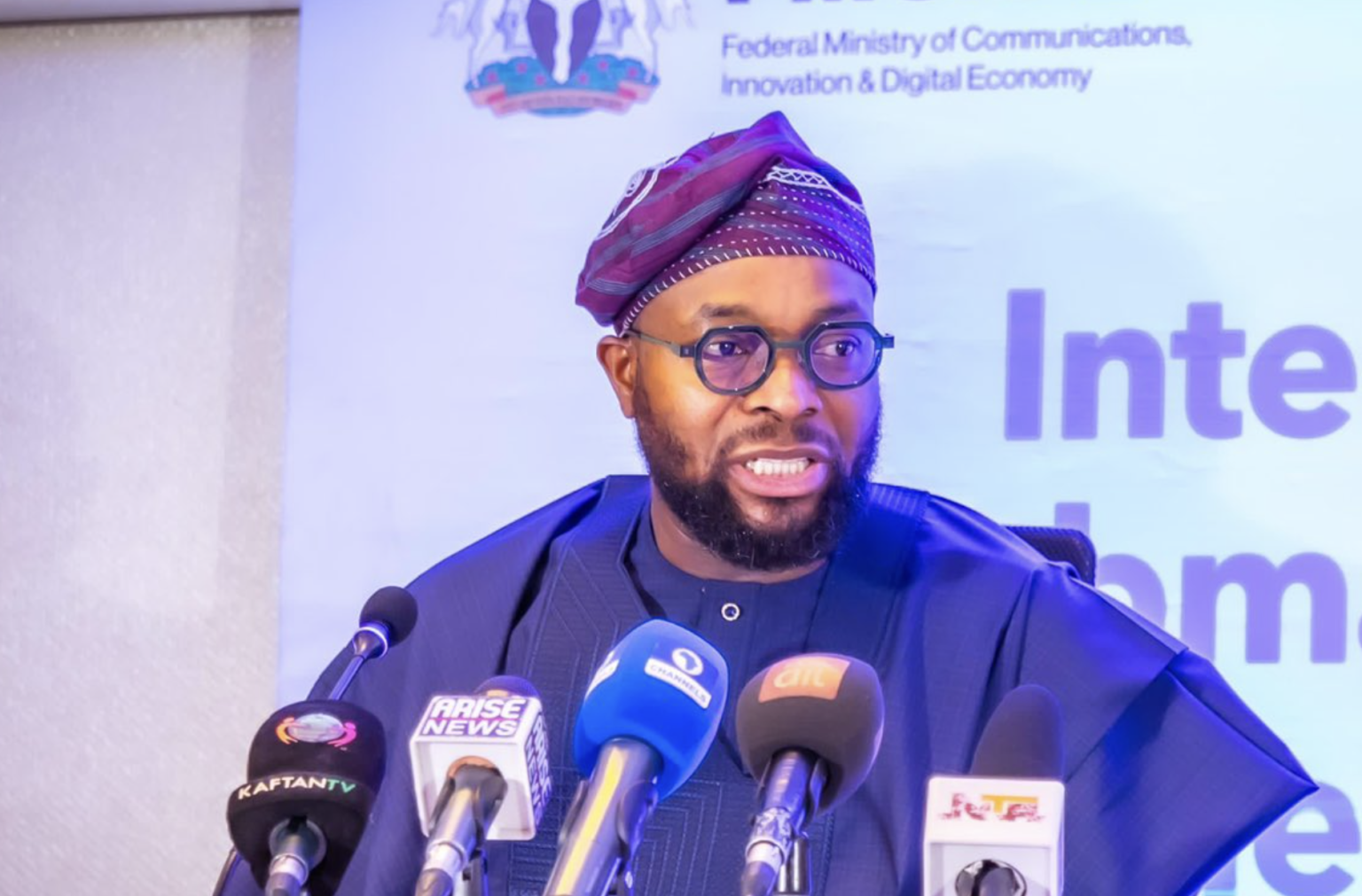
“Crisis situations do not need to result in failure. Our capacity for preparation is key to how we navigate crises. The significance of accurate information and institutional integrity in managing crises cannot be overstated, as information influences behavior. The manner in which a crisis is communicated is vital, since it determines how individuals react. Thus, organizations should perceive crises as opportunities for renewal and economic advancement.”
He added that organizations should transition from merely reacting to crises to anticipating future challenges. Tijani stated that Nigeria needs to evolve from disjointed response strategies to more synchronized approaches when addressing crises.
During the conference, CMC Connect's Lead Partner, Yomi Badejo-Okusanya, introduced a crisis management tool named CrisisX, designed to empower organizations to act decisively during critical moments.
He conveyed that the platform focuses on speed and intelligence, aiming to protect reputations before damage occurs, maintain trust before it is compromised, and stop misinformation before it proliferates.
Badejo-Okusanya remarked, “False information disseminates six times faster than the truth. Moreover, approximately 70 percent of leaders are ill- prepared. These figures reflect a significant issue. The real challenge does not solely lie within technology but in the disparity between the rapid evolution of threats and the slow responses to them. Both industry and government officials often lag in crisis management. We respond reactively and exhibit excessive hesitation. However, it’s important to recognize that no one can surpass an algorithm by hesitating.”
He asserted that trust is crucial during crises, built through clarity, bravery, and decisive actions.
Badejo-Okusanya also stated that the intensity of crises powered by AI skills is set to grow, alongside an increasing pressure on organizations as individuals continuously manipulate public perception.
The conference also featured a panel discussion that examined the implications of AI-induced crises on organizations and the economy, including strategies to address these challenges proactively.
Emma Okonji
Comments (0)
You must be logged in to comment.
Be the first to comment on this article!