
Cameroon's legislature has passed new legislation establishing a vice president for the first time in the nation's history under President Paul Biya's extended rule. The bill, which was overwhelmingly approved by a joint session of the National Assembly and Senate with 200 votes in favour and 18 against, addresses presidential succession.
The amended constitution now mandates that the vice president will step in to lead the country automatically should President Biya pass away, resign, or become unable to discharge their duties. Biya, who is 93 years old and the world's longest-serving head of state, has been in power since 1982. Discussion regarding his health is reportedly prohibited.
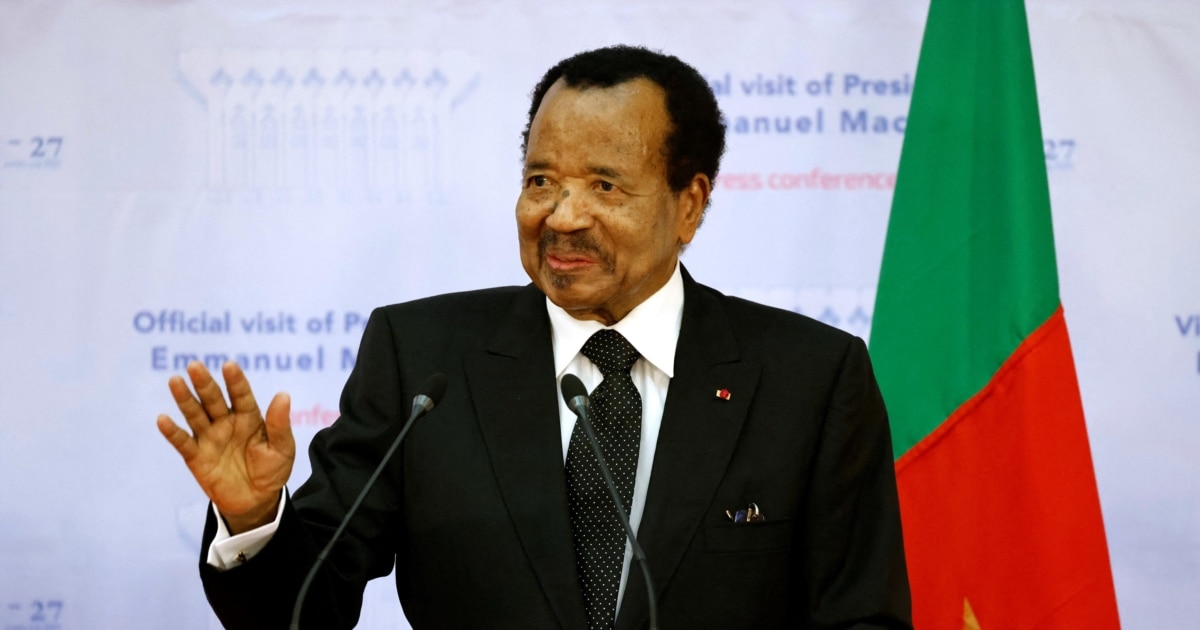
According to the new law, the vice president will be appointed by the president and will serve out the remainder of the presidential term, which is seven years. However, this interim leader will be barred from proposing constitutional amendments or standing for election in the following polls.
Previously, the constitution stipulated that the Senate president would temporarily assume presidential duties in cases of the sitting president's death or incapacitation, followed by elections.
The Social Democratic Front (SDF), a party with six parliamentary representatives, boycotted the vote. The party had advocated for a vice president who would be jointly elected with the president, not one appointed by the president. The SDF also sought to reinstate constitutional provisions that recognised the country's linguistic division between English and French- speaking regions, aiming for the top two governmental positions to be shared between these communities, a practice that ceased before 1972.
Joshua Osih, chairman of the SDF, commented that the constitutional reform presented a chance for political courage but was ultimately a "missed historic opportunity."
Comments (0)
You must be logged in to comment.
Be the first to comment on this article!