
The President of Dangote Group, Alhaji Aliko Dangote, has highlighted that Nigeria and various African countries will face repercussions from the current crisis in the Middle East, mainly due to the interconnectedness of the global economy.
Addressing the media after visiting President Bola Tinubu during the Sallah festivities at his residence in Ikoyi, Lagos, Dangote pointed out that fluctuations in the oil market stemming from Middle East events could significantly affect the economies across Africa.
He stated, "We are part of a global village, and regrettably, such developments will impact us even if we are not directly involved."
Dangote warned that prolonged unrest in the region might result in soaring fuel prices, higher transport costs, inflation, and widespread economic distress.
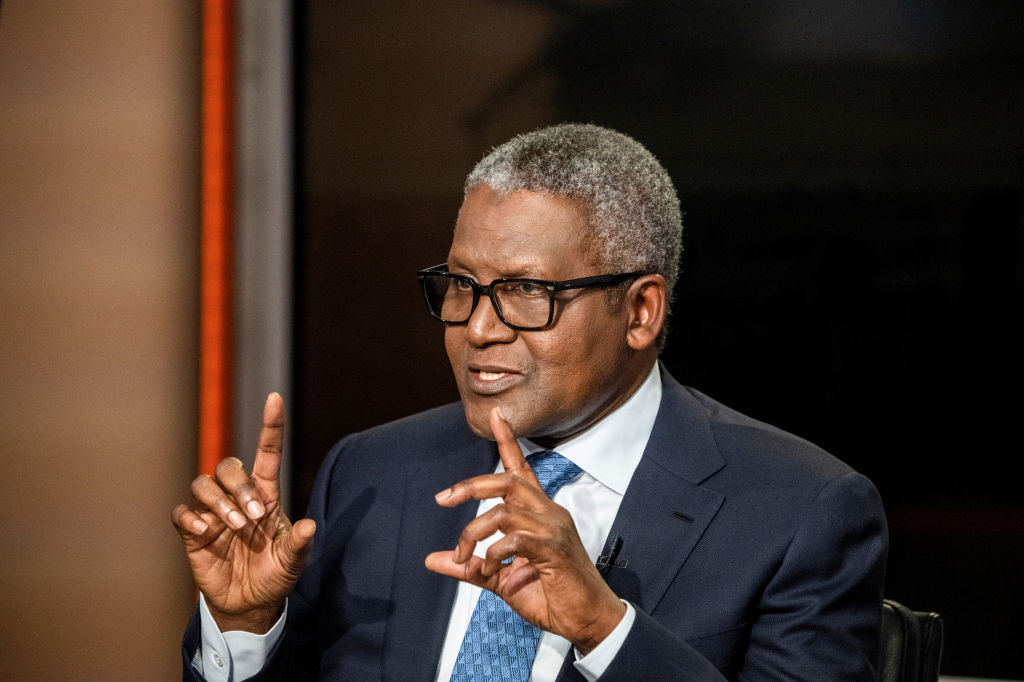
“If these tensions do not ease, we will incur severe consequences, especially considering our already strained economic circumstances,” he emphasized.
He further noted that governments might experience increased fiscal pressures as subsidy costs rise and revenue generation becomes unstable owing to the volatile global oil market.
Moreover, Dangote warned that Africa's growing debt levels could deteriorate, further constraining financial capacity and undermining economic resilience.
"Africa is currently struggling with debt, and any additional shocks will exacerbate hardships for both governments and citizens,” he remarked.
He elaborated that the increase in energy prices would impact various sectors, including small enterprises, manufacturing, logistics, and household expenditure.
"Energy influences all aspects. From small businesses like barbershops to industries relying on generators, everyone will bear the burden if costs continue to rise," he stated.
Dangote mentioned that several countries are beginning to adopt measures like reduced working hours, energy conservation, and remote work arrangements, which could hinder productivity and overall economic performance.
He urged global leaders to focus on de-escalating tensions, stressing that numerous Africans rely on daily income and are highly susceptible to economic disruptions.
“In Africa, particularly in Nigeria, many people live paycheck to paycheck. If they are unable to work, they cannot feed themselves. Thus, we must hope for a swift resolution to this situation,” he concluded.
Comments (0)
You must be logged in to comment.
Be the first to comment on this article!