
In times of international conflict, the truth frequently becomes the first victim. As global tensions rise and warlike rhetoric resurfaces, especially from the United States and the Israeli government against the Islamic Republic of Iran, the world faces a familiar scenario: analysis overshadowed by distortion, propaganda disguised as concern, and fantasies treated as facts. These situations highlight how neutrality can equate to complicity, with silence endorsing falsehoods.
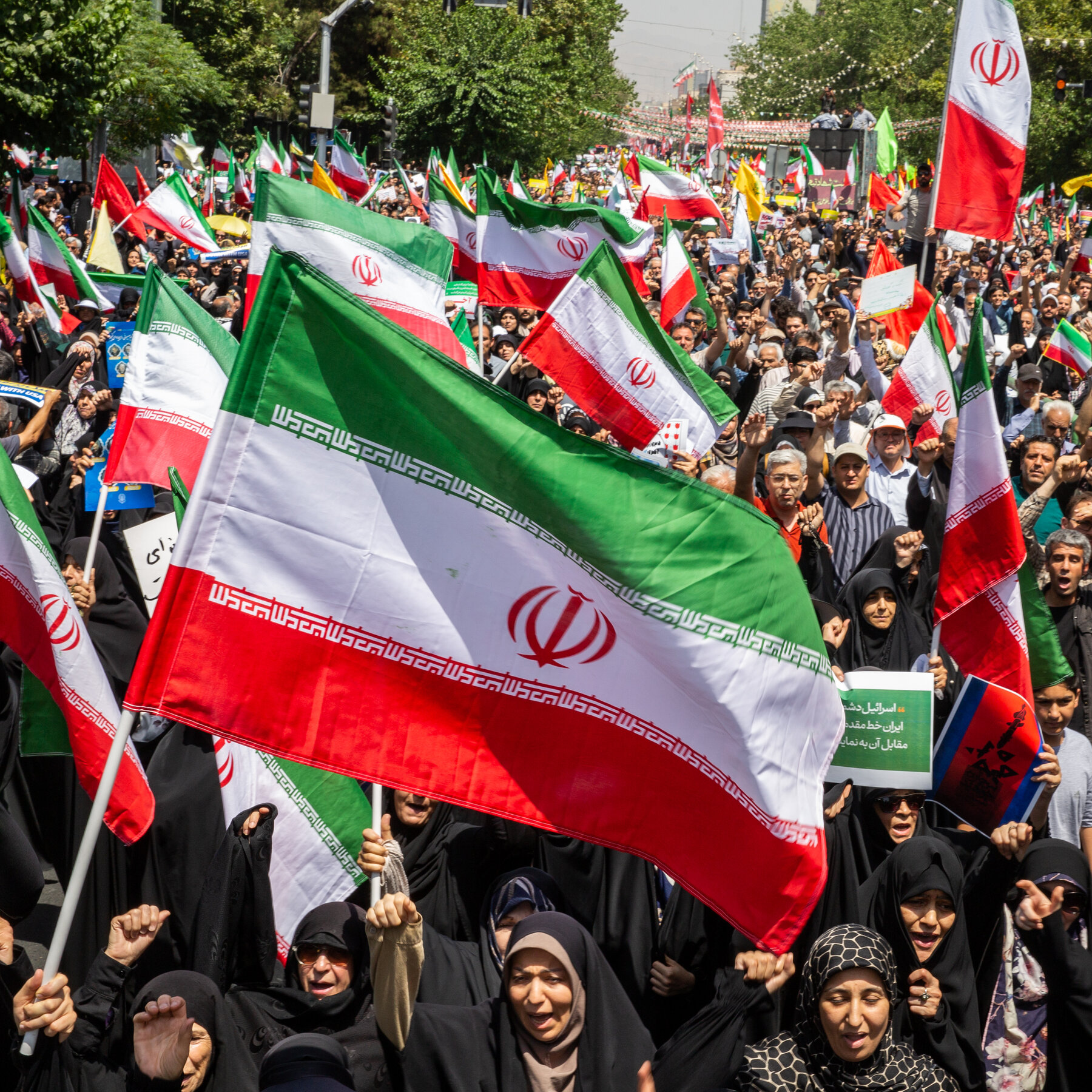
The recent protests in Iran have been leveraged by adversarial media and political entities as supposed proof of a failing state. Selectively edited footage, distorted narratives, and gross exaggerations are being harnessed to fabricate a scenario in which the Islamic Republic is portrayed as out of touch with its citizens and abandoned by history.
Contrarily, unmanipulated evidence, extensive observation, and the political landscape indicate a starkly different reality: the Islamic Republic of Iran continues to receive robust support and identification from the vast majority of its population, particularly in the face of foreign threats and external pressures.
Celebrations around the impending "downfall" of Iran stem not from genuine political discourse, but from ideological fantasies. Over the past forty years, the same forecasts have been repeatedly presented with unyielding predictability. After sanctions, assassinations, and acts of sabotage, the Islamic Republic remains resilient. This endurance springs from a foundation built on sovereignty, sacrifice, and a steadfast stance against oppression.
Nations typically falter when they lose domestic legitimacy; however, Iran has managed to bolster its authority even amid adversities.
During this charged climate, the recent remarks by the Leader of the Islamic Revolution, Sayyid Ali Khamene'i, were particularly significant. His address exuded a sense of calm, historical insight, and strategic assurance. He clearly articulated that arrogance does not equate to strength, and that power lacking a moral compass is fragile. The era of unchecked American dominance is waning, not due to mere rhetoric, but due to accumulated resistance, internal decay, and a shift in global alignments.
The United States, which once saw itself as the undisputed hegemon, now finds itself politically fragmented, economically beleaguered, militarily overextended, and facing growing resistance across West Asia, Africa, Latin America, and elsewhere. Its unwavering alliance with the Israeli regime has not resulted in stability, but rather an ongoing state of crisis; not safety, but expanded fronts of opposition. Each act of aggression has only deepened regional collaborations among those unwilling to capitulate.
Iran finds itself at the nexus of this resilience not as a result of recklessness, but from adherence to principle. It has chosen autonomy over dependence, dignity over normalization, and self-determination over imposed compliance. Such choices have rendered it a target for sanctions, sabotage, slander, and threats, while simultaneously elevating it to a symbol of resistance. History remains clear: nations that trade their sovereignty for momentary relief forfeit both their dignity and their future.
For the Muslim Ummah, this juncture transcends geopolitics; it is fundamentally moral. Islam demands moral clarity, the ability to differentiate between aggressor and victim, besiegement and defense, truth and fabricated lies. To feign neutrality when a Muslim nation is overtly threatened, economically strangled, and militarily surrounded is not an act of wisdom; it is a dereliction of duty.
The Qur'anic imperative to uphold justice does not come with stipulations based on comfort or convenience.
The Islamic Republic of Iran has consistently positioned itself as a defender against imperial oppression, advocating for Palestine, and opposing Zionist and neo-colonial intrusions in Muslim territories. These stances are far from peripheral; they resonate powerfully with the historical struggle of the Ummah.
Those who support sanctions, military intervention, or regime changes, whether out of ignorance, sectarian bias, or alignment with imperial narratives, do not seek reform but rather endorse oppression. No society has ever achieved liberation through foreign bombardment, and no Ummah has ever uplifted itself by condoning its own subjugation.
As such, this moment serves as a crucial test for scholars, activists, intellectuals, and ordinary believers alike—to see through the fog of deception and stand resolutely with the truth when it is under siege. Supporting Iran today transcends individual personalities, sects, or opportunistic politics; it is fundamentally about safeguarding the principle that Muslim nations have the right to shape their own destinies free from external coercion.
History honors those who persevere with conviction, not those who squander their efforts on arrogance. Empires may rise in grandeur yet collapse unexpectedly. Nations grounded in faith, patience, and resilience endure the fiercest storms.
The Islamic Republic of Iran has faced numerous tempests throughout its history and remains unyielded.
Those who comprehend history grasp the reasons behind its endurance.
Those who understand Islam recognize their necessary stance.
Comments (0)
You must be logged in to comment.
Be the first to comment on this article!