
Greetings, dear readers! It gives me great pleasure to present this exploration into the rich food traditions of Nigeria. This piece is the result of extensive research into Nigeria’s culinary heritage, combined with years of documenting the cultural wealth of the nation. In Nigeria, food transcends beyond just being a source of nourishment; it embodies identity, memories, ceremonies, community, and history all served on one plate.
The culinary customs of Nigeria showcase the narratives of 371 unique ethnic groups, each contributing specific cooking techniques, key ingredients, and ritual practices that have developed over thousands of years. The range is impressive, and the depth of these traditions is truly awe-inspiring.
Consider this remarkable fact: if you were to sample jollof rice made by a Yoruba grandmother from Lagos, an Igbo chef from Enugu, and a Hausa cook from Kano, you would experience three entirely distinct dishes, all categorized under the same meal. This paradox — the exquisite balance of unity and variety — encapsulates the essence of Nigerian culinary traditions in a way that no singular definition could.
Grasping Nigerian Food Traditions Across Ethnic Divides
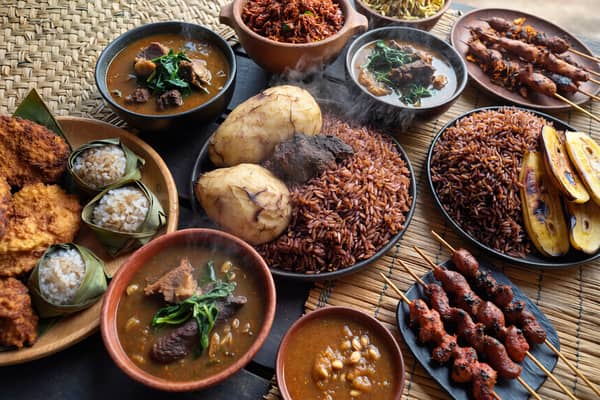
According to the Federal Ministry of Arts, Culture and Creative Economy, Nigerian culinary practices are as diverse as the country's ethnic landscape, with staple dishes such as Ugba, Edikang Ikong, Nkwobi, Fufu, Tuwo, Suya, and Kilishi recognized as part of the national heritage. Each ethnic group has its own cherished cuisines that have been handed down through generations with respect similar to that given to sacred texts.
I have spent significant time in various markets throughout Nigeria, observing vendors carefully choose fresh vegetables. Their understanding of seasonal produce, ideal cooking durations, and flavor pairings is extensive—knowledge that could fill textbooks. Remarkably, all this information is shared verbally, demonstrated through hands-on experiences, and learned through practice.
This brings us to the first crucial insight about Nigerian food traditions: they exist in practices rather than on printed pages.
The second point? The act of preparing food within a community is as vital as individual cooking skills. When my aunt makes egusi soup, she doesn’t merely cook; she orchestrates a blend of contributions. Neighbors gather to assist in pounding the seeds, sisters-in-law debate the ratios of spices, and younger family members observe and occasionally participate. The soup transforms into a community treasure long before it is served.
This aspect of communal cooking sets Nigerian food traditions apart from more solitary culinary cultures. We cook together. We eat together. We also engage in lively discussions about the right methods (often quite loudly!).
Essential Steps to Mastering Nigerian Food Traditions
After studying the culinary practices spanning different states and ethnic groups in Nigeria, I have pinpointed seven essential steps for anyone interested in comprehending these rich traditions:
1\. Commence with Market Research, Not Recipe Research: Visit local markets such as Oshodi in Lagos, Ariaria in Aba, or Kurmi in Kano. Pay attention to which ingredients are highly valued (like stockfish, dried prawns, high-quality palm oil) and which are viewed as everyday essentials (like garri, beans, and rice). Observe how availability shifts with the seasons. Building ties in the market can be immensely valuable; vendors can impart more culinary wisdom than any cookbook if approached with respect and genuine interest.
2\. Understand Fundamental Techniques: Learn essential skills such as pounding (yam, fufu), grinding (spices, pepper), and fermenting (ogiri, locust beans). These labor-intensive techniques differentiate authentic Nigerian cooking from imitated versions. The texture of properly pounded yam cannot be mimicked by machines, and hand-ground pepper has a different flavor compared to factory-produced varieties. Mastering these methods requires time, effort, and dedication.
3\. Grasp the Cultural Context Behind Each Dish: Nigerian cuisines carry meanings that extend beyond nourishment. For instance, pounded yam served with egusi soup exemplifies warmth and thoughtfulness due to the effort involved. Jollof rice is featured during celebrations because it was typically a luxurious item. Kola nut rituals accompany significant conversations because tradition necessitates it. Understand the stories behind the meals rather than merely memorizing recipes.
4\. Acknowledge Regional Distinctions: The Nigeria Tourism Development Corporation asserts that each region introduces distinct flavors to national dishes. Northern Nigerian food includes grains, dairy products, and Islamic dietary practices, while Southern Nigerian dishes spotlight seafood and rich, multi-layered soups. The Middle Belt cuisine merges elements from both regions. Appreciating these regional variations fosters a deeper understanding.
5\. Practice the Swallow-and-Soup Eating Style: This uniquely Nigerian dining style pairs various starchy "swallows" (like pounded yam, eba, or fufu) with tasty soups (like okra, egusi, or bitter leaf). The technique is important: pinch off a piece of swallow, roll it into a ball, indent it with your thumb, scoop the soup, and swallow without chewing. It’s a nuanced skill that requires practice.
6\. Learn to Balance Seasoning: Nigerian dishes require bold, complex flavors. Pepper adds both heat and depth, while palm oil enriches both color and taste. Stock cubes enhance umami, and crayfish gives a distinctive seafood essence. Fermented locust beans (iru, ogiri) introduce depth. The balance of these elements differs among ethnicities and individual preferences, but successful Nigerian cooking commonly involves multiple flavor aspects in harmony.
7\. Accept the Time Commitment: Authentic Nigerian cooking is time- consuming. For example, preparing ogbono soup from scratch necessitates at least two hours, while making pounded yam might take 30 to 45 minutes of continuous labor. These lengthy procedures should not be seen as impractical; they embody tradition. Although modern alternatives exist, traditionalists maintain that cooking too hastily detracts from the dish’s true essence.
These seven steps outline a framework, not a strict recipe. Nigerian food culture is resistant to standardization because it prioritizes personal interpretation, familial variations, and regional pride.
Food Traditions Across Nigeria's Principal Ethnic Groups
Let me share a few insights gained during my research into various culinary practices: Nigerian food tradition encompasses a multitude of practices, existing as a tapestry of cultural identities rather than a singular tradition.
Distinctive Characteristics of Regional Food Traditions
| Ethnic Group | Staple Starch | Signature Soup/Stew | Fermented Ingredients | Unique Features | Ceremonial Dishes |
|------------------|------------------------------------|----------------------------------------------|-----------------------------------|--------------------------------------------------------|----------------------------------------|
| Yoruba | Pounded yam, amala (yam flour), eba | Egusi, ewedu, gbegiri | Iru (locust beans) | Numerous types of soup, elaborate presentation, hierarchy in preparations | Amala with gbegiri for celebrations |
| Igbo | Pounded yam, fufu, akpu (cassava) | Ofe onugbu (bitter leaf), ofe nsala, oha | Ugba (oil bean seed), ogiri | Strong preference for sharp flavors, diverse soup repertoire | Ofe onugbu during celebrations |
| Hausa-Fulani | Tuwo (sorghum, millet, rice), fura | Miyan kuka (baobab leaf), miyan taushe (pumpkin) | Dawadawa (locust beans) | Focus on grain-based dishes, dairy (fura da nono), Islamic food laws | Fura da nono for Ramadan |
| Efik-Ibibio | Eba, fufu | Edikang Ikong, afang soup | Palm nut concentrate | Rich in leafy vegetables, luxurious ingredient blends | Edikang Ikong for esteemed occasions |
| Tiv | Pounded yam | Alev soup (sesame) | Various traditional ferments | Emphasis on sesame-based dishes, pride in yam farming | Ruam kusu (yam festival dishes) |
| Edo | Pounded yam, starch | Omoebe (black soup), owo soup | Region-specific fermented spices | Deep-colored soups, distinctive spice profiles | Traditional black soup preparations |
This table merely scratches the surface; each ethnic group conceals sub- variations stemming from clan, family, and individual taste. Guardian Nigeria’s exploration of traditional Nigerian cuisine rightly illustrates how these dishes bear the weight of history and reflect the rich cultural significance of the numerous ethnicities.
For instance, the Igbo’s focus on bitter flavor might perplex those outside their culture, but it resonates deeply within their culinary philosophy. Bitter leaf soup (ofe onugbu) is not a punishment; it’s a statement of sophistication. The bitterness adds a level of complexity not achievable by sweeter or simply savory soups.
Similarly, the Hausa-Fulani's preference for grain-oriented meals, in contrast to yam-heavy dishes, mirrors both agricultural practices and historical trade routes linking Northern Nigeria to the Sahel and beyond. Guardian Nigeria’s documentation of Northern culinary flavors emphasizes how geography molds culinary customs, particularly in areas where high temperatures necessitate unique beverage traditions like kunu and zobo.
Nigerian Food Traditions in Everyday Life and Celebrations
Food customs shift dramatically based on context. Typical meals on a Tuesday afternoon will be very different from those at a wedding on a Saturday.
Daily eating leans towards practicality: rice and stew, beans with plantains, or eba paired with vegetable soup. These meals satisfy nutritional needs without fancy decorum and can be made relatively quickly (by Nigerian standards).
Conversely, food for special occasions demands greater efforts. Weddings must feature jollof rice prepared so exquisitely that guests will critique it for weeks. The rice should never be mushy or excessively dry. Moreover, the tomato base must strive for that elusive smoky essence (known as “party jollof”) that is somehow more delicious when cooked in large outdoor pots compared to a home setting. Failing to provide exceptional jollof rice at a Nigerian wedding can lead to familial embarrassment for generations.
While this may sound like hyperbole, it's only a slight exaggeration.
Funerals have distinct culinary requirements depending on cultural and religious contexts. Some traditions prepare specific soups to comfort grievers, and others provide substantial rice dishes acknowledging that mourning doesn't negate hunger. The food serves a dual purpose: feeding mourners and paying proper respect to the departed with hospitality.
Traditional Festivals and Authentic Food
Traditional holidays call for authentic foods. For instance, yam festivals among the Igbo cannot commence without new yam cooked according to tradition. Islamic occasions witness specific dishes in Northern Nigeria. Christmas festivities may present a spread of jollof rice, fried rice, moin moin, and various meats served in seemingly excessive amounts, a reflection of Nigerian hospitality that obliges hosts to serve every guest, whether invited or not.
Defining Traditional Cooking Techniques
The Federal Ministry of Arts, Culture and Creative Economy outlines that Nigerian culinary practices involve generational wisdom infrequently recorded in written format, relying instead on oral transmission and hands-on demonstration. This reliance presents both hurdles and chances for maintaining these traditions.
Perhaps the most renowned cooking method in Nigeria is pounding. Large wooden mortars and pestles, standing at waist height, transform boiled yam into a smooth and elastic texture that is highly valued. The rhythmic pounding produces distinctive sounds that signal meal preparation throughout neighborhoods. When two people coordinate in this task, they can accomplish it faster and more efficiently than a single person, creating social bonds in the process.
I've tried pounding yam on two occasions and found the experience left my arms sore while the result was what my aunt diplomatically described as "having character". Perfecting this technique demands years of dedication.
Grinding vegetables like pepper, tomatoes, and onions on flat stones yields textures and flavors that electric mixers cannot replicate. Manually grinding alters the ingredients' composition, yielding coarser textures that traditionalists assert enhance soup consistency and flavor infusion.
The traditional extraction of palm oil involves boiling palm fruits, pounding them, mixing with water, and skimming off the bright red oil that surfaces. While commercial palm oil may be convenient, many Nigerians will tell you that they can discern the difference between factory-made and traditionally processed oil.
Preserving food through smoking and drying not only lasts longer but imparts unique flavors. Smoked fish, dried prawns, stockfish (dried cod), and bush meat are staple items in Nigerian cooking and add protein and flavor to soups and stews all year round.
Food as a Reflection of Culture and Social Relationships
Guardian Nigeria’s study of Nigerian culture identifies food as the backbone of hospitality, family unity, cultural identity, and social celebration, with regional dishes symbolizing ethnic heritage and shared meals fostering community connections.
Turning down food can be seen as disrespectful across many Nigerian settings. This is not because Nigerians are insistent (well, not solely for that reason), but rather because sharing food signifies care, welcoming, and acceptance. When someone offers you food, they extend a gesture of relationship, not just sustenance.
These dynamics can be intriguing. If you visit a Nigerian household and claim not to be hungry, the host is likely to insist several times. They are not disregarding your preference; they are confirming that you are genuinely full rather than being polite or feeling unwelcome. Only when they are convinced that you truly do not want food does the pressure typically lessen.
Food as Social Identity
Moreover, food becomes a form of social currency in nuanced ways. The quality of meals offered to guests impacts your reputation. Preparing labor-intensive dishes for visitors conveys respect through effort, while serving rare or costly ingredients signifies honor. These are unspoken conventions, yet Nigerians understand them inherently.
Discussions regarding the best jollof rice, which sometimes take over Nigerian social media, might seem trivial to outsiders. However, their significance runs deeper. They serve as playful demonstrations of regional pride that celebrate a shared Nigerian identity while allowing for ethnic diversity. When there’s a debate over whether Nigerian or Ghanaian jollof reigns supreme, it is a dialogue about cultural sovereignty, colonial history, and national pride, using rice as a delightful metaphor.
Symbolic Meanings of Traditional Dishes
Each Nigerian dish evokes meanings beyond mere sustenance. Some meanings are apparent; others require cultural understanding to fully appreciate.
Kola nut, for instance, while not technically a food, holds great ceremonial importance. The Nigerian Foreign Affairs documentation emphasizes the abundance with which guests are treated as part of traditional hospitality. Presenting kola nut follows specific protocols depending on the ethnic group. Who breaks the kola? Who distributes it? These considerations are crucial during key discussions, negotiations, and traditional ceremonies.
Palm wine, especially in Southern Nigeria, accompanies numerous celebrations. Fresh palm wine boasts a sweet and slightly fizzy flavor, while prolonged fermentation results in a more acidic, higher-alcohol beverage. The drink symbolizes community, as palm wine tappers labor daily to harvest fresh sap, and distributors ensure it is enjoyed within hours of collection. It inherently connects people.
Suya, the deliciously spiced meat skewers, has evolved from a specialty in Northern Nigeria to a favorite nationwide. The article in Guardian Nigeria discussing the exploration of Nigerian culinary delights reflects how traditional cuisines are handed down through generations, often remembered rather than documented. Suya embodies entrepreneurship, street food culture, and the democratization of meat consumption; enjoying suya does not require wealth but merely a few Naira and access to a good street vendor.
Moin moin (steamed bean cake) is a staple at almost every Nigerian gathering. The meticulous nature of its preparation (soaking beans, peeling, grinding, seasoning, wrapping in leaves or tins, and steaming) makes it a dish of honor. Serving moin moin conveys that the occasion was valued enough to warrant a substantial investment of time and effort.
The Modern Challenges Facing Traditional Nigerian Food Practices
I wish I could depict an entirely positive landscape of thriving Nigerian food traditions unchanged over time. That would not reflect reality.
The pressures of urbanization are straining traditional cooking methods. Residents of cities like Lagos, who work lengthy hours, cannot realistically dedicate three hours to prepare soup from scratch. They adapt, often relying on pre-ground spices, food processors, and sometimes even pre-prepared ingredients that traditionalists might balk at.
Economic factors also play a role in ingredient accessibility. Quality palm oil, fresh fish, suitable stockfish, and high-grade meats come with significant costs. Families operating on limited budgets frequently compromise in ways earlier generations did not face. A traditional pot of ogbono soup could demand N15,000 to N20,000 for ingredients, pushing it into the category of festive meals for many households.
Generational knowledge is also facing challenges. Young Nigerians often lack direct experience with traditional cooking techniques. How many urban 25-year- olds are adept at properly pounding yam? How many can identify wild, edible, and nutritious vegetables? This knowledge gap is a concern for those wanting to preserve culture.
The rise of Western fast food complicates matters further. Chains like McDonald’s, KFC, and local counterparts offer convenience that traditional Nigerian cuisine often cannot match. Children raised on burgers and fries frequently develop aversions to traditional meals, viewing them as outdated or overly spicy.
Yet, I remain cautiously optimistic. Nigerian diasporic communities across the globe uphold food traditions with remarkable loyalty, teaching their children and grandchildren how to prepare authentic recipes. Innovative young Nigerian chefs are blending traditional practices with contemporary influences, striving to honor culinary legacies while navigating modern realities. Food blogs, YouTube channels, and social media platforms document these time- honored recipes in unprecedented detail, providing written and visual records that complement oral traditions.
Preservation Efforts and Ongoing Evolution
Some promising trends suggest that Nigerian food traditions will not merely survive but also evolve over time rather than vanish.
Government acknowledgment plays a crucial role. When the Federal Ministry recognizes traditional dishes as part of national heritage, it elevates their status beyond nostalgia. This acknowledgment may inform educational programs, tourism marketing, and cultural preservation initiatives.
Commercial efforts are also preserving traditions by creating market incentives. Restaurants focusing on authentic ethnic dishes encourage the maintenance of traditional cooking techniques. Products like bottled palm wine, packaged traditional spices, and frozen swallow items enhance the availability of traditional ingredients and support producers committed to longstanding practices.
Diaspora connections present unexpected avenues for preservation. Nigerians living abroad often uphold more traditional culinary practices than those in urban locales like Lagos or Abuja. This can lead to situations where traditional methods are preserved overseas and then reintroduced domestically, akin to discovering that the best iterations of grandmothers' recipes are being kept by relatives in Houston or London.
Social media contributes positively as well. Young Nigerians capture traditional cooking techniques in videos that reach millions, effectively showcasing methods that written instructions may fail to convey. Observing someone skillfully pound yam imparts more knowledge than any recipe could.
Growing academic interest is also evident, with universities exploring traditional Nigerian cuisine as a legitimate area of scholarship rather than folklore. This academic focus generates resources, documentation, and frameworks for understanding these traditions' historical and cultural implications.
What Constitutes Nigerian Food Tradition? An Overview
Nigerian food tradition embodies the culinary heritage of 371 ethnicities, each possessing unique cooking methods, ingredients, and ceremonial practices that collectively shape recognizable national dishes. It encompasses distinctive preparation techniques (like pounding, grinding, and fermenting), ingredient choices (including palm oil, stockfish, various peppers), dining formats (such as the swallow-and-soup combinations), and social etiquette (communal cooking practices, heartfelt hospitality, and customs around food refusal) that have developed over centuries. The tradition values labor- intensive methods over convenience, prioritizes seasonal and local ingredients, underscores communal over individual food preparation, and treats dining as a social event requiring context and respect. Notable traditional dishes that form part of the national heritage include fufu, tuwo, akpu, suya, kilishi, amala, eba, pounded yam, egusi soup, edikang ikong, and countless regional specialties.
Integrating Nigerian Food Traditions into Daily Life
Following months of research and rich cultural involvement, I have concluded that Nigerian food tradition imparts valuable lessons about community, patience, and cultural pride that extend beyond the realm of cooking.
To genuinely experience these traditions, begin with a mindset of patience. Accept longer preparation times as part of the process. Know that authentic Nigerian cuisine demands investment. Visit local markets and cultivate relationships with the vendors. Aim to truly master at least one ethnic group's traditional dishes instead of attempting a shallow understanding of many.
Acknowledge the cultural surroundings. Food is not merely sustenance within Nigerian traditions. It embodies history, identity, ceremonial acts, and relationships all at once. Each time you consume traditional Nigerian meals, you are partaking in countless generations of cultural evolution, ethnic pride, agricultural wisdom, and community connections.
Support preservation initiatives whenever possible. Frequent restaurants that uphold authentic cooking methods. Acquire ingredients from vendors who prioritize traditional sources. Share time-honored recipes with younger generations. Document your family’s cooking techniques before that knowledge is lost.
Most importantly, approach Nigerian food traditions with a sense of humility and curiosity rather than judgment. What may seem inefficient likely serves a purpose beyond just speed. What appears foreign might become loved with time. What seems uncomplicated often conceals intricate techniques with profound cultural significance.
Key Takeaways
1\. Nigerian food traditions encompass 371 unique ethnic culinary practices unified by shared values of communal preparation, generous hospitality, and labor-intensive methods prioritizing authenticity over convenience.
2\. Traditional cooking techniques including pounding, grinding, and fermenting create distinguishable textures and flavors that modern shortcuts cannot replicate, serving cultural functions beyond mere cooking efficiency.
3\. Food functions as social currency and a cultural identity marker within Nigerian society, where specific dishes earn symbolic meanings, ceremonial weight, and social customs, transforming meals into public cultural expressions rather than just private nourishment.
Connecting Nigerian Food Tradition to Broader Cultural Heritage
Grasping Nigerian food culture enriches one’s understanding of the nation's extensive cultural complexity. In my previous exploration of how Nigerians express respect in various situations, food hospitality emerged as a central theme, exemplifying honor and welcome through thoughtful preparation and generous portions.
Furthermore, my study of Nigerian cultural taboos highlighted how food regulations, preparation methods, and dining customs reflect deeper spiritual and social tenets shaping Nigerian identity beyond mere cuisine.
FAQ: Comprehending Nigerian Food Traditions
1\. What exactly qualifies as traditional Nigerian food?
Traditional Nigerian food consists of dishes rooted in specific ethnic communities prior to significant Western influences, prepared using local ingredients and time-honored methods passed down through generations. Dishes often incorporate local starches (such as yam, cassava, plantains, and millet), palm oil, indigenous vegetables, fermented elements, and proteins sourced locally instead of imported.
2\. What is the rationale behind the large food portions served in Nigeria?
Significant portions symbolize hospitality, respect, and proper celebration of guests, where Nigerian culture equates generous food offerings with care, welcome, and social standing. Providing abundant food ensures no guest leaves unsatisfied, acknowledges the honor of their presence, and reflects traditional views of agricultural abundance and community sharing.
3\. How do the food traditions of different ethnic groups vary?
Distinct ethnic groups prefer varied starches (Yoruba tend to favor pounded yam and amala, Igbo lean towards various types of fufu, and Hausa-Fulani often eat grain-based tuwo), accompanied by unique soup variations, specific fermented products, and ceremonial dishes. Regional agricultural patterns, trade histories, religious influences, and cultural values shape these differences while maintaining shared "Nigerian" characteristics.
4\. What role does palm oil play in Nigerian cuisine?
Palm oil is the primary cooking fat used in most traditional Nigerian dishes, contributing a unique red hue, rich flavor, and high smoke point for cooking. Its incorporation distinguishes genuine Nigerian cooking from adaptations that use vegetable oil, as the flavor and hue of palm oil are considered essential in preparing most dishes across ethnic groups.
5\. Why is pounding yam valued over using instant alternatives?
Traditionally pounded yam achieves a specific smooth, stretchy consistency unattainable through mechanical means or instant powders. The laborious process demonstrates respect, hospitality, and cultural authenticity. The physical effort involved in pounding communicates care for guests, while the texture disparities between traditionally pounded and instant yam highlight cultural values that prioritize quality and heritage over convenience.
6\. How have Nigerian food practices adapted to modern urban life?
Urban Nigerians frequently turn to food processors for grinding, choose pre- extracted palm oil from stores, and rely on pre-assembled ingredients while still aiming to preserve traditional flavors and eating customs. For many families, fully traditional preparations are saved for weekends and special events, striking a balance between cultural preservation and the practicalities of modern life.
7\. What is the significance of communal eating in Nigerian tradition?
Sharing meals from common dishes enhances familial relationships, teaches proper social etiquette, fosters equality, and turns meals into social ceremonies instead of mere consumption. This practice emphasizes collectivism, provides opportunities for elders to pass down wisdom, and reflects traditional values prioritizing group wellbeing over individual preference or convenience.
8\. Why are Nigerian soups often composed of numerous ingredients?
The inclusion of multiple ingredients creates deep and layered flavors that simplistic recipes cannot achieve, with each component contributing specific tastes, textures, nutritional value, and cultural importance. The Nigerian culinary ethos values sophistication and richness over simplicity, viewing complex ingredient combinations as demonstrations of skill, care, and proper cultural understanding rather than unnecessary intricacy.
9\. How do religious beliefs shape Nigerian food customs?
Islamic dietary regulations influence Northern Nigerian cuisines through requirements for halal meats, prohibitions against alcohol, and special foods for Ramadan such as fura da nono. Christianity has introduced specific Western ingredients and cooking styles, while generally accommodating traditional practices, both faiths recognizing food's ceremonial value in festivals, celebrations, and communal gatherings across distinct ethnicities.
10\. What are the most pressing threats facing traditional Nigerian food practices?
The challenges to these practices include urbanization pressures, economic constraints limiting access to ingredients, gaps in knowledge transfer between generations, the prevalence of fast food from the West, and time limitations in modern work culture. Young Nigerians often lack direct exposure to traditional food preparation methods, while ingredient prices make comprehensive traditional meals a luxury instead of everyday fare.
11\. How can we uphold traditional Nigerian food traditions for future generations?
Preservation can be achieved through meticulous documentation using videos, written recipes, and social media; by promoting commercial ventures that make traditional ingredients more accessible; through the efforts of diaspora communities; governmental recognition and support; academic research; and the passing of culinary wisdom within families. Creating economic incentives for maintaining traditional methods, integrating culinary heritage into educational curricula, and balancing adaptation with authenticity are key to ensuring these traditions evolve rather than fade away.
12\. What distinguishes Nigerian food traditions from other West African cuisines?
The vast ethnic diversity of Nigeria (371 groups) results in more varied culinary practices than its neighbors. This includes the unique swallow-and- soup dining style, specific fermented ingredients, a strong emphasis on palm oil, and distinct spice mixtures. The evolution of pan-Nigerian dishes like jollof rice coexists with preserved ethnic identities, and the size of Nigeria's population facilitates a robust culinary identity that sets it apart from Ghanaian, Senegalese, or Beninese cuisines, despite shared West African culinary elements.
Comments (0)
You must be logged in to comment.
Be the first to comment on this article!