
The Federal Government of Nigeria has unveiled its intention to abolish the Junior Secondary School Common Entrance Examination, replacing it with a comprehensive student tracking system utilizing unique identification numbers.
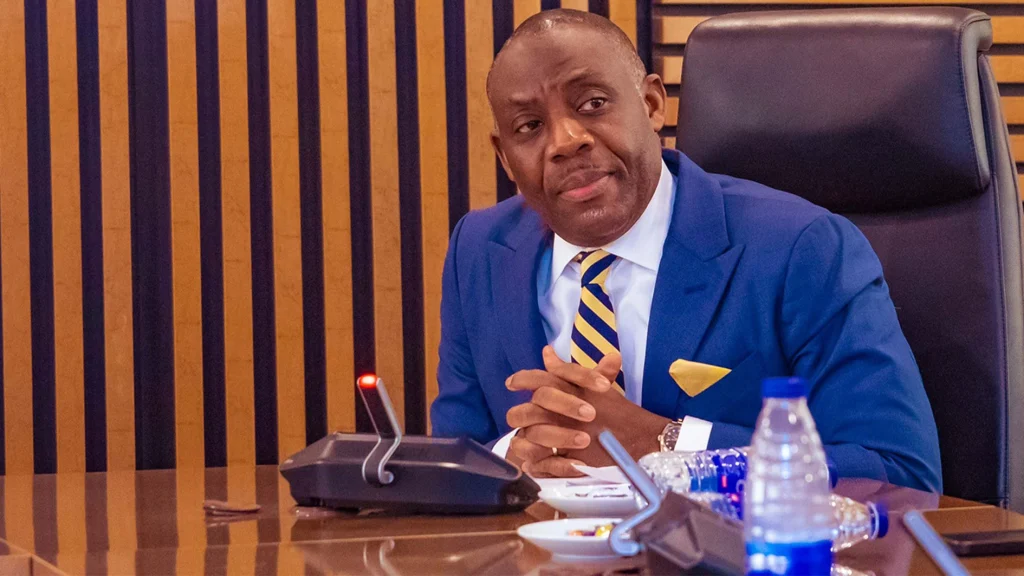
During an interactive meeting with journalists in Lagos, Education Minister Tunji Alausa outlined these proposed changes, emphasizing their goal of improving educational access and monitoring students' progress nationwide.
The initiative will phase out the common entrance examination, substituting it with a Continuous Assessment (CA) approach. This new method will enable the tracking of a student's academic achievements beginning from primary education and will ensure that educational records remain with them even during school transfers. Alausa noted that this reform is crucial for filling a significant gap in Nigeria’s educational landscape, particularly concerning the drop in enrollment rates from primary to secondary school.
According to official statistics, Nigeria hosts over 50,000 public primary schools, educating more than 23 million children. However, only about 3 million make the transition to junior secondary schools within the public sector, leaving a considerable number of youths overlooked.
The minister highlighted this concerning gap, asserting that private institutions cannot accommodate the excess millions and pointing out the widespread lack of access to secondary education. He urged state governments to prioritize the establishment of more schools to meet this growing demand.
To enhance student oversight, the government plans to implement a Learner Identification Number (LIN) for each child, starting from primary school. This individual number will accompany every student throughout their educational journey, irrespective of location or school changes.
This system is designed to assist authorities in tracking student progress and quickly identifying children who drop out of school. For instance, it would allow officials to determine if a student expected to be in junior secondary school is no longer registered, triggering an investigation into the circumstances.
Furthermore, the government is looking to reinstate the school feeding program as part of its strategy to improve school enrollment and retention rates. There are intentions to move the oversight of this program to the Federal Ministry of Education for better monitoring and effectiveness.
These proposed reforms are part of a broader initiative to enhance Nigeria’s educational framework, lower dropout rates, and facilitate that a larger number of children complete their basic education.
Comments (0)
You must be logged in to comment.
Be the first to comment on this article!