
Yoon Suk Yeol, the former president of South Korea, has been sentenced to five years in prison due to his effort to impose martial law.
The ruling comes after the court found him guilty of multiple charges including abuse of power, obstruction of justice, and falsifying documents in connection with his failed martial law attempt in 2024.
The verdict, announced on a Friday, represents the first conclusion among four different legal cases linked to his controversial martial law order. This declaration was short-lived and was quickly reversed by lawmakers, igniting a wave of political instability, mass protests, and an urgent parliamentary session as members of parliament rushed to halt the implementation.
During the sentencing, the judge noted that Yoon’s actions had significantly disrupted the nation's political landscape and pointed out the former president's lack of remorse throughout the judicial process.
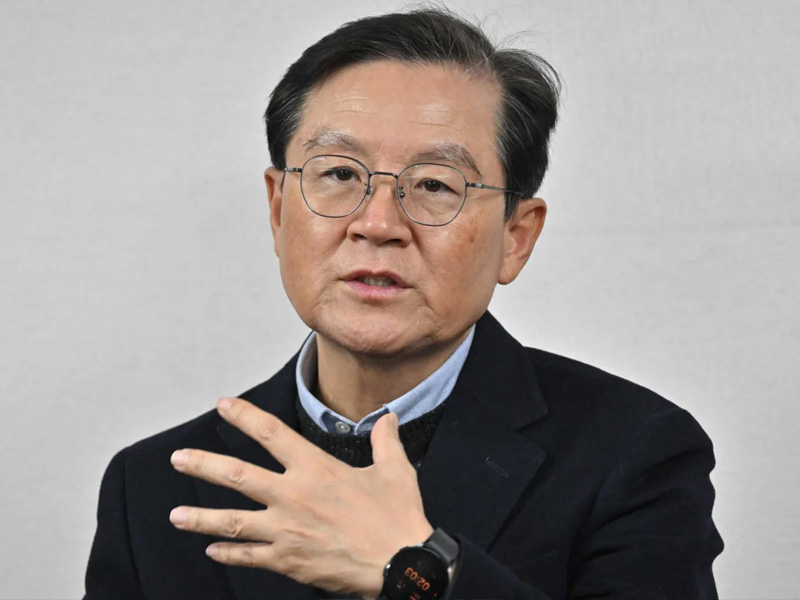
This ruling is perceived as a precursor to the outcomes of the other ongoing trials against Yoon, who faces various allegations, including further abuse of power and violations of electoral regulations. Among the most severe accusations is insurrection, for which prosecutors are pursuing the death penalty, with a verdict in that particular case anticipated in February.
As the sentencing took place, around 100 of Yoon's supporters rallied outside the courthouse, watching the proceedings through a live broadcast. Some waved red banners with phrases like "Yoon, again! Make Korea great again," while others reacted with silence, appearing solemn as the guilty verdict was announced.
The court concluded that Yoon had improperly utilized members of his security detail to evade arrest, neglected to consult his entire cabinet prior to declaring martial law, and created and subsequently destroyed a forged document asserting that the declaration had been consented to by the prime minister and defence minister.
In a statement, the judge indicated that Yoon had a responsibility to uphold the constitution and the law but instead chose to disregard both.
Prosecutors sought a ten-year sentence; however, both sides now have a week to appeal the decision.
Yoon has consistently denied all allegations against him, claiming that the arrest warrant was not legitimate and contending that the constitution does not necessitate consulting every cabinet member before enacting emergency powers. Throughout his trials, he has insisted that investigators lacked the authority to detain or investigate him, asserting there were no procedural irregularities in his martial law declaration.
Typically, South Korean courts display leniency toward defendants who accept responsibility; however, prosecutors argue that Yoon's refusal to acknowledge any wrongdoing warrants a more severe penalty.
Yoon is not the first former leader of South Korea to be sentenced to prison; in 2021, former president Park Geun-hye was given a 20-year term for abuse of power and bribery, though she was later pardoned and released.
Following Yoon's unsuccessful attempt to impose martial law, the South Korean electorate decisively preferred opposition leader Lee Jae Myung in the subsequent presidential election. Nevertheless, Yoon's ongoing court cases continue to highlight the significant political rifts within the country.
Despite considerable public disapproval of his actions, Yoon continues to maintain a dedicated group of supporters who view him as a victim of political persecution. A survey conducted the previous December revealed that nearly 30% of South Koreans did not consider his martial law declaration to be insurrection.
While thousands of citizens protested in response to the martial law attempt, small counter-protests from Yoon’s backers also occurred, reminding observers that the repercussions of his presidency are still influencing South Korea's political climate.
Comments (0)
You must be logged in to comment.
Be the first to comment on this article!