
Former U.S. President Donald Trump has stated that his recent frustrations with NATO stem from an earlier conflict this year concerning Greenland.
"It all began with, if you want to know the truth, Greenland," Trump remarked during a White House press conference. "We want Greenland. They don’t want to give it to us. And I said, ‘bye, bye.’"
This statement brings to light a disagreement that strained transatlantic relations in January. Trump had previously suggested taking control of the self-governing Danish territory before retracting the idea after an agreement was reached. This episode had caused concern across Europe, with reports suggesting Denmark was preparing for potential U.S. action against the island.
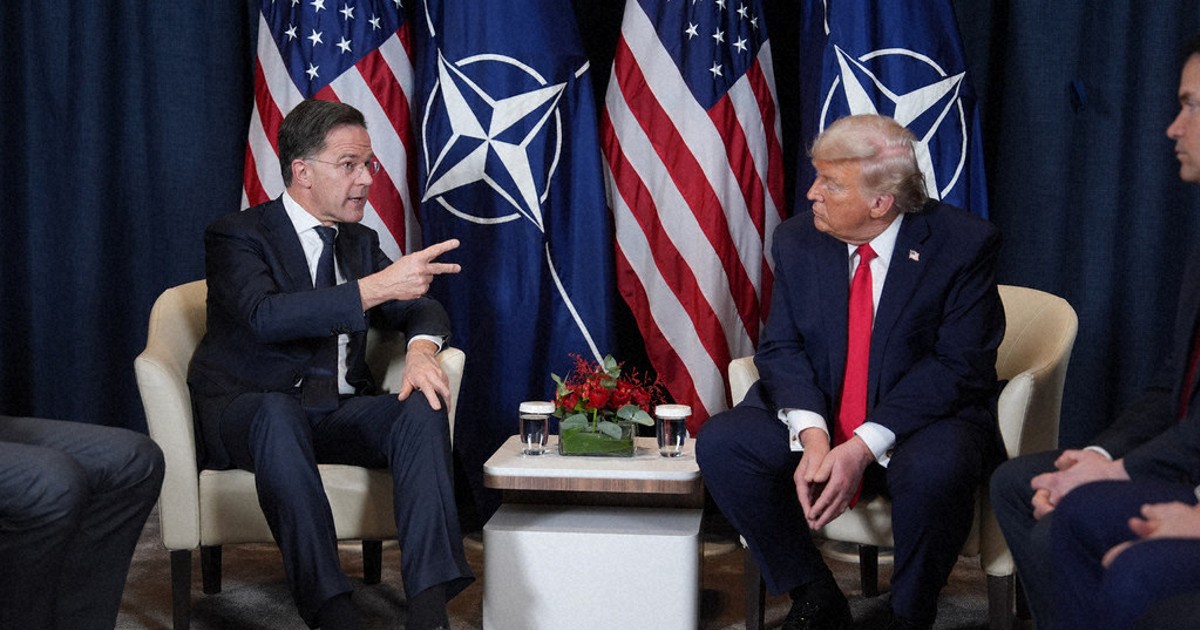
At the Monday press conference, Trump expanded his criticism of NATO, alleging that military allies in the alliance had not supported Washington during a conflict with Iran.
"I think it’s a mark on NATO that will never disappear," he commented, expressing significant disappointment regarding the absence of military assistance. He noted that several countries, including Spain, had denied access to bases or airspace, and European governments had declined to contribute warships to secure the Strait of Hormuz.
These remarks align with increasing criticism from the Trump administration. Last week, Trump considered withdrawing the U.S. from NATO, while U.S. Secretary of State Marco Rubio cautioned that the alliance might become "not a very good arrangement" for the United States.
European leaders have thus far resisted U.S. demands. During a call last Thursday involving over 40 leaders, governments discussed potential diplomatic and economic measures to reopen the Strait of Hormuz but did not commit to any concrete military actions. French President Emmanuel Macron went further, describing such a military operation as "unrealistic."
NATO Secretary-General Mark Rutte is scheduled to meet with Trump, Rubio, and U.S. Defense Secretary Pete Hegseth in Washington on Wednesday in an effort to de-escalate tensions.
Trump, however, appears unconvinced by these efforts. "They’re going to say, ‘oh, we’ll do this. We’ll do that,’" he said. "Now they all of a sudden want to send things."
Comments (0)
You must be logged in to comment.
Be the first to comment on this article!