
In response to the ongoing conflict involving the United States, Israel, and Iran, security forces have significantly increased their presence in strategic areas within Abuja. This initiative, carried out on the fifth day of the escalating crisis, aims to enhance vigilance across the Federal Capital Territory (FCT) amid concerns of potential spillover effects from the conflict.
Armed personnel have been stationed around essential government facilities, diplomatic areas, and major transit routes to preempt any security incidents that could arise from the intensifying Middle Eastern hostilities. While officials have not disclosed any specific threats, the preventive measures reflect a growing apprehension regarding the ramifications of the conflict.
The situation escalated as tensions mounted between Washington, Tel Aviv, and Tehran, raising alarms about geopolitical instability, disruptions in energy supplies, and the likelihood of retaliatory responses extending beyond the immediate conflict zones.
Furthermore, Iran has postponed a planned ceremony honoring its assassinated Supreme Leader Ayatollah Ali Khamenei, heightening concerns over domestic security as Israeli officials publicly threatened to eliminate any designated successor.
This postponement comes amid ongoing bombardments and missile exchanges, reflecting increased internal tensions within Iran’s leadership as Israel warns that its military actions may impact high-ranking Iranian officials if provoked.
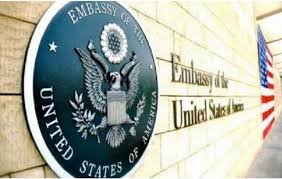
Concurrently, the US Embassy in Abuja announced the cancellation of all visa appointments scheduled for Wednesday, citing security considerations related to the rapidly evolving conflict with Iran. This decision disrupted normal consular operations and underscored the broader diplomatic repercussions of the war, as embassies worldwide re-evaluate their security measures in light of the escalating violence.
Related to the unrest, Abuja experienced a palpable lockdown, with soldiers and police deployed to critical areas of the city to prevent potential chaos stemming from the conflict. Security alerts were communicated to US citizens, warning of possible protests in the capital, which may have mirrored similar demonstrations in other Nigerian states over the weekend.
Traffic was heavily congested on major roads as security forces established checkpoints aimed at obstructing members of the Islamic Movement in Nigeria (IMN), popularly known as the Shiites, from staging protests against the attacks on Iran.
Individuals heading into Abuja faced long delays while some were apprehended for inciting disorder. This lockdown was seen as a precautionary strategy to mitigate the impact of protests seen in regions like Sokoto and Kaduna in recent days.
As of Wednesday, security personnel from various units were actively monitoring key sites, including the Ministry of Finance and strategic intersections throughout Abuja.
In parallel, the US Embassy's suspension of visa services for the day indicated an abundance of caution in light of the potential risks associated with the escalating tensions. Affected visa applicants have been assured that their appointments will be rescheduled, with further information regarding new dates forthcoming.
The US government has urged its citizens in Nigeria to stay vigilant, avoid large gatherings, and maintain updated contact information. While regular visa operations were interrupted, emergency consular services remain accessible.
Parallel to these developments, Iran announced that a tribute to the late Admiral Khamenei has been postponed due to logistical challenges, which highlights the eerie climate following his assassination during an attack by US and Israeli forces.
This postponement raises the specter of fears associated with large funerary gatherings and the potential for further violence. Iranian officials indicate they are nearing a decision regarding Khamenei’s successor, with political stability being a focal point even as threats from Israel loom over any potential successors.
Israeli officials, including Defence Minister Israel Katz, have threatened to assassinate any successor chosen by the Iranian leadership, heightening the stakes of the ongoing conflict. The geopolitical situation remains precarious, and analysts have noted that Iran's political framework has been set up to navigate changes at the top levels of leadership amid threats from external forces.
Given the situation, the League of Imams in Lagos State has issued a warning to Nigerians to refrain from taking sides or engaging in acts that could endanger the nation's security and social harmony. This sentiment was echoed during a Ramadan program, calling for unity, reflection, and prayers instead of protests against the unfolding international crisis.
The League emphasized the importance of caution, urging citizens to remain part of the solution rather than contributors to dissension.
In another development, Defence Secretary Pete Hegseth reported that one of the alleged masterminds behind an Iranian plot to assassinate President Donald Trump was killed as part of Operation Epic Fury, underscoring the ongoing conflict's far-reaching implications.
As fatalities from US-Israeli strikes continue to increase in Iran, with 1,045 reported deaths since the commencement of hostilities, the conflict's toll is mounting, raising implications for global oil markets as they brace for volatility in light of increased geopolitical tensions.
According to Goldman Sachs, projections for Brent crude oil prices have risen in consequence of the conflict, forecasting further hikes if oil supply disruptions persist, spotlighting the delicate balance of international energy production in the conflict’s wake.
Comments (0)
You must be logged in to comment.
Be the first to comment on this article!