
A scholar from Kwara State University asserts that terrorist activities in 2025 revealed significant security vulnerabilities in the border regions of the state.
Dr. Waliyu Oladotun Akanni, who leads the Department of Social Justice and Security Studies at Kwara State University (KWASU) in Malete, stated that throughout the year, it was reported that approximately 150 civilians lost their lives to terrorist attacks, and around 300 individuals were kidnapped across the state.
He advocated for the establishment of peace committees in border communities within the state as a strategy to address the ongoing insecurity.
Dr. Akanni made these statements during a public lecture in Ilorin, the capital city of the state, titled 'Preserving the State of Harmony: Reclaiming the Kwara Identity in the Era of Prevalent Insecurity in Nigeria'.
The lecture was co-organized by the Ma’Assalam Foundation and the Mustapha Akanbi Foundation (MAF).
He commented that this troubling trend highlights an extensive breakdown of the security system and has posed a significant challenge throughout the year.
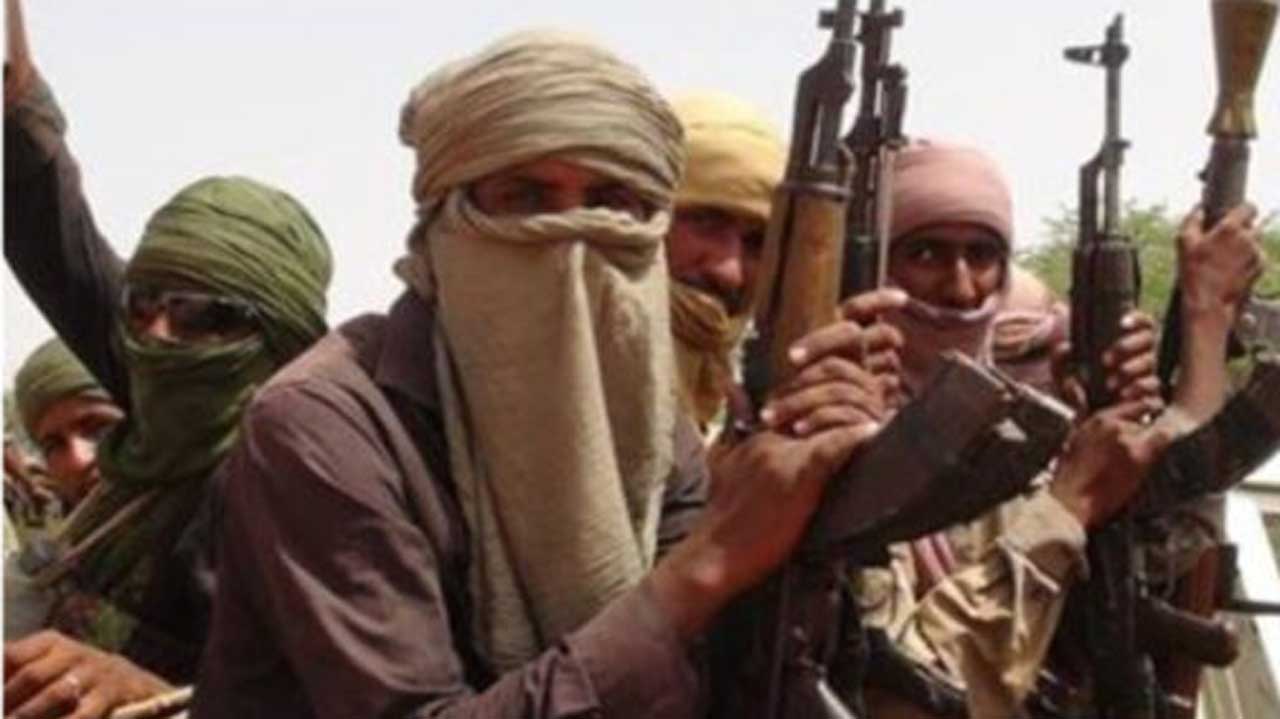
He further elaborated, “The repercussions of armed criminality in Kwara extend beyond immediate acts of violence; they are seen in the gradual deterioration of governmental and educational institutions and the decline of local economic activities.”
Akanni pointed out that the NYSC orientation camp, a campus of Kwara State University, along with a nursing school in Oke-Ode located in Ifelodun Local Government Area, were relocated to Ilorin, resulting in the closure of over 50 primary and secondary schools in five local government areas.
He added, “The closure of cattle markets in seven local council areas has severely impacted an essential sector of the rural economy, and official state functions have been withdrawn from these regions, leading to a diminished administrative presence.”
Dr. Akanni described Kwara’s geographic positioning as both an advantage and a vulnerability, noting that the state borders Niger, Kogi, Oyo, and Ekiti, along with an international boundary with the Benin Republic.
He stressed the importance of creating 'Border Community Peace Committees' to oversee the movement of non-state actors through unofficial routes, mentioning that the Kainji Lake National Park, which connects Niger State to Kwara’s Kaiama and Baruten Local Government Areas, has turned into a hazardous area.
“Security assessments have shown that criminals who have been displaced from the Northwest are taking refuge in these forests, transforming our neighborhoods into their battlegrounds,” he noted.
He urged that decisive action is necessary to safeguard the borders of the state and manage the influx of such non-state elements, emphasizing that the forests of Kaiama, Baruten, and the hills in Kwara South must no longer be seen as lawless regions.
Moreover, he proposed that the state government should enhance the recruitment of additional forest guards, preferably locals who are familiar with the terrain, including hunters and farmers.
“Returning to our traditional practices where every community member has a stake in maintaining peace is crucial,” he stated.
Each ward in all 16 local government areas should formalize a network for community intelligence that reports directly to a state-monitored 'Harmony Hotline,' he suggested.
“This would enable anonymous reporting, alleviating fears of local informants, and empower traditional authorities, which is essential for the state’s security framework.”
Akanni emphasized the necessity to incorporate local leaders like Alanguas and Mogajis into the state security system as they can quickly identify unfamiliar individuals in the community or recognize when a youth appears to be living beyond their means.
He further remarked that the concept of 'State of Harmony' is not something inherited from the past; rather, it is a responsibility we hold for the future, asserting, “We owe it to our children to restore peace in this state as we found it.”
He concluded that reclaiming the Kwara identity requires courage, highlighting the importance of establishing trust over mistrust, dialogue over division, and collective vigilance over complacency. “If we unite—the Emirate, the Christian community, the farmers of the North, and the traders of the South—the shadows of insecurity will have nowhere to conceal themselves in our land.”
Comments (0)
You must be logged in to comment.
Be the first to comment on this article!