
Iran's Foreign Minister, Abbas Araqchi, has emphasized that the country's position on nuclear weapons is unlikely to change. He also put forward a suggestion for new regulations governing the Strait of Hormuz in light of the current conflicts in the region.
Araqchi reaffirmed that Tehran's opposition to nuclear armament remains firm, even as the perspectives of the new supreme leader, Mojtaba Khamenei, bring some uncertainty. He pointed out that Ali Khamenei, the former leader, had persistently opposed the development of weapons of mass destruction through a religious edict, although the interpretations of such decrees vary based on the cleric's standpoint.
Countries in the West, particularly the United States and Israel, have continually accused Iran of efforts to develop nuclear weapons, allegations which Tehran vehemently denies, asserting that its nuclear program is intended for peaceful purposes.
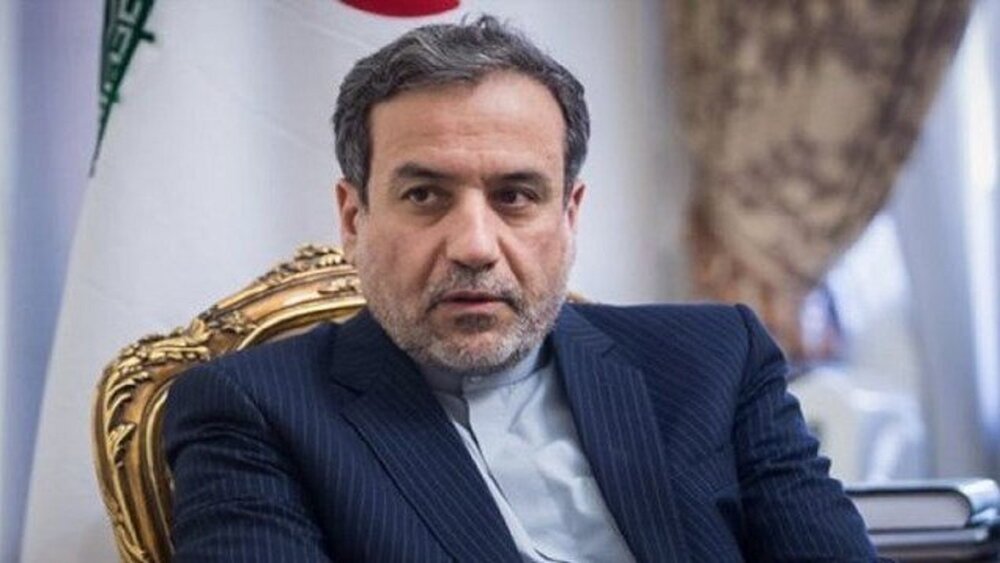
In addition to nuclear issues, Araqchi proposed that Gulf nations should collaborate to set up a new framework for the Strait of Hormuz following the war, ensuring that safe passage through this crucial route aligns with the interests of the region.
The Strait of Hormuz is a vital pathway for global oil and gas supplies, with Iran having threatened to obstruct exports to the United States, Israel, and their allies.
Moreover, the speaker of Iran's parliament has indicated that the strait will not revert to its previous, pre-war state due to the prevailing hostilities.
Amidst the rising tensions, the NATO alliance faces divisions on how to react, with the United States advocating for a naval coalition while countries like France maintain that their involvement hinges on achieving a ceasefire and engaging in negotiations with Iran.
Araqchi stressed that a resolution to the ongoing conflict would call for an enduring cessation of hostilities throughout the region, along with reparations for the damages endured by Iran.
In response to criticisms regarding Iranian missile strikes impacting civilian areas, Araqchi clarified that the strikes targeted locations associated with U.S. forces, which he accused of operating in urban settings. He acknowledged the collateral damage suffered by neighboring countries but attributed responsibility to the United States for instigating the conflict that began on February 28.
Comments (0)
You must be logged in to comment.
Be the first to comment on this article!