
Rising global tensions, particularly the conflict involving Iran, are intensifying anxieties about potential disruptions to vital supplies of energy and fertilisers. Analysts warn this could trigger widespread food scarcity and drive up inflation rates across various countries, including Nigeria.
The ongoing hostilities have already contributed to an increase in oil prices and pose a threat to critical shipping lanes like the Strait of Hormuz. This situation raises concerns about escalating costs for transportation, agricultural production, and ultimately, food prices worldwide.
In light of these developments, agricultural and economic specialists have called upon the Nigerian government to implement proactive strategies aimed at mitigating the adverse impacts of fertiliser scarcity on the nation's food security.
These calls come in the wake of a report indicating that the Pentagon and the National Security Council may have underestimated Iran's potential response to US military actions, specifically its willingness to impede the Strait of Hormuz, according to sources familiar with the planning of the ongoing operations.
Experts focusing on the looming food shortage have cautioned that a lack of fertiliser access for Nigerian farmers during the current planting season could lead to reduced food output. This, they fear, could result in sharply higher food costs for the country and potentially reverse recent progress in curbing food price inflation.
These perspectives were shared by Dr. Muda Yusuf, the Chief Executive Officer of CPPE; Mr. Shakin Agbeyewa, Acting Chairman of the Lagos State Chapter of the All Farmers Association of Nigeria (AFAN); and Mr. Omotunde Banjoko, Chairman of the Agric Sectorial Group at the Lagos Chamber of Commerce and Industry (LCCI), during separate interviews.
Dr. Yusuf highlighted that the conflict in Iran is disrupting fertiliser shipments, thereby posing a significant risk to Nigeria's food security.
He recommended that the government should consider implementing targeted and time-limited fiscal incentives on essential fertiliser inputs and production- related fees to help moderate domestic fertiliser prices.
"This is a grave concern as fertiliser is a crucial element for enhancing agricultural productivity," Yusuf stated.
He elaborated, "The current conflict has already destabilised global fertiliser markets, particularly for urea. Moreover, broader disruptions in the Gulf region and the closure of the Strait of Hormuz are creating substantial logistical and supply challenges across energy, shipping, and input sectors."
"For Nigeria, this directly impacts food production and prices. Fertiliser expenses were already under strain before this recent escalation.
"These pressures are particularly worrying for Nigerian agriculture, given that a large majority of farmers are smallholders with limited financial capacity and a low ability to absorb increased input costs.
"If fertiliser becomes too expensive or unavailable, farmers will reduce its use, leading to lower yields, reduced food production, and a potential resurgence of food inflation."
Dr. Yusuf further advised the government to establish strong coordination between the Ministries of Finance, Agriculture, Industry and Trade, along with customs, port, and transport authorities. This collaboration, he suggested, would ensure that fertiliser supplies are prioritised and that distribution challenges are minimised.
He also advocated for temporary risk-sharing support for smallholder farmers through carefully designed input assistance programmes, focusing particularly on vulnerable agricultural regions.
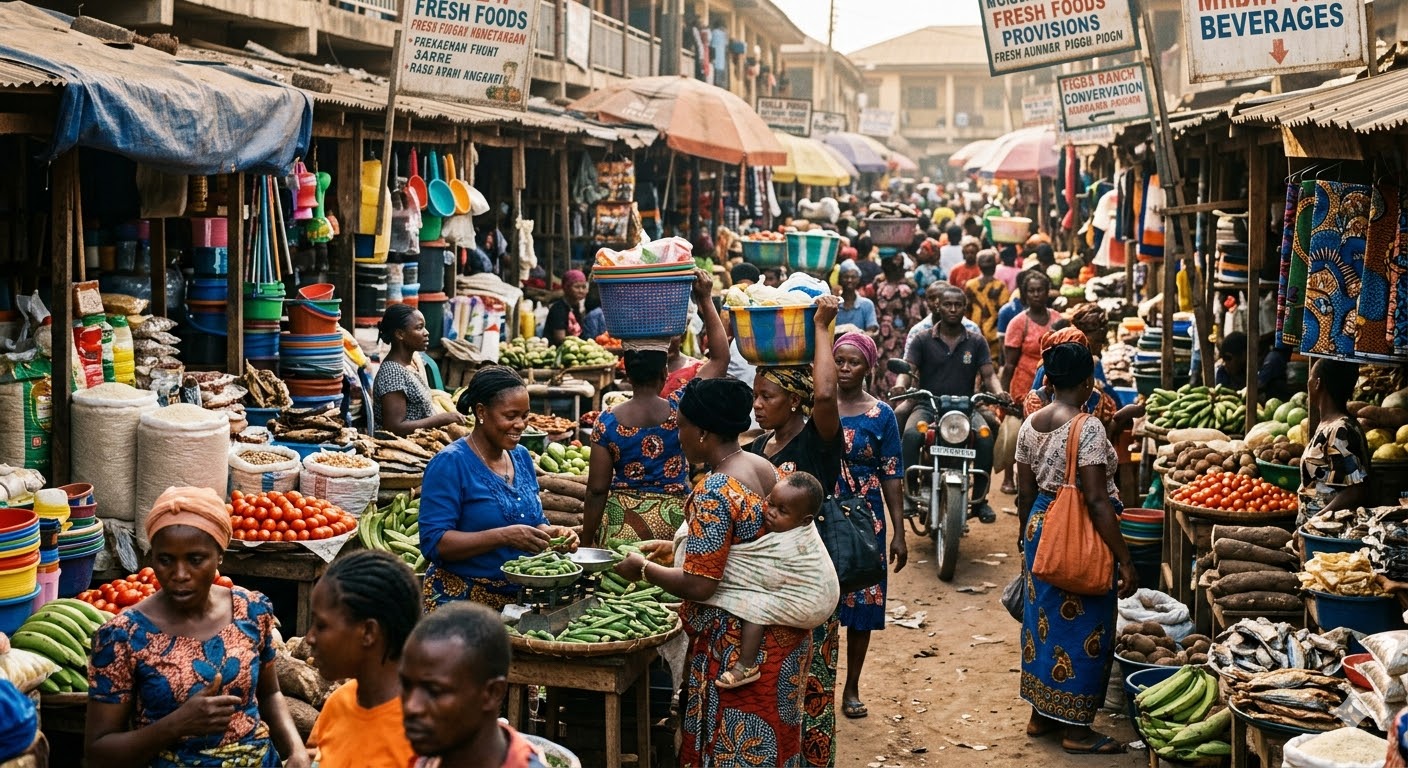
Mr. Agbeyewa echoed these concerns, noting that the disruption in fertiliser supply would significantly affect the cost of food production and the prices of food items in Nigerian markets.
He pointed out that the high cost of importing fertiliser, coupled with elevated transportation expenses, would make it inaccessible to many farmers.
Consequently, he urged the government to investigate the reasons behind the shutdown of several fertiliser blending plants in Nigeria and explore avenues for their revival.
"What is the status of Nigeria's policy regarding fertiliser blending plants? We previously had these plants operating, but they have all ceased functioning. Has the government looked into why they stopped and considered restarting them?" he questioned.
Similarly, Mr. Banjoko predicted that the prices of both fertiliser and food products would inevitably climb due to the disruption in fertiliser shipments.
He explained that this would increase production costs for farmers, who would then pass these increased costs on to consumers.
Comments (0)
You must be logged in to comment.
Be the first to comment on this article!