
Israeli Prime Minister Benjamin Netanyahu has reversed an earlier decision that restricted access to a significant Christian site in Jerusalem amid global backlash.
Netanyahu announced that he had instructed authorities to allow Pierbattista Pizzaballa, the Latin Patriarch of Jerusalem, to enter the Church of the Holy Sepulchre and hold Palm Sunday services.
This change came after the Latin Patriarchate of Jerusalem reported that Israeli police had, for the first time in centuries, barred senior church leaders from entering the church to celebrate Mass.
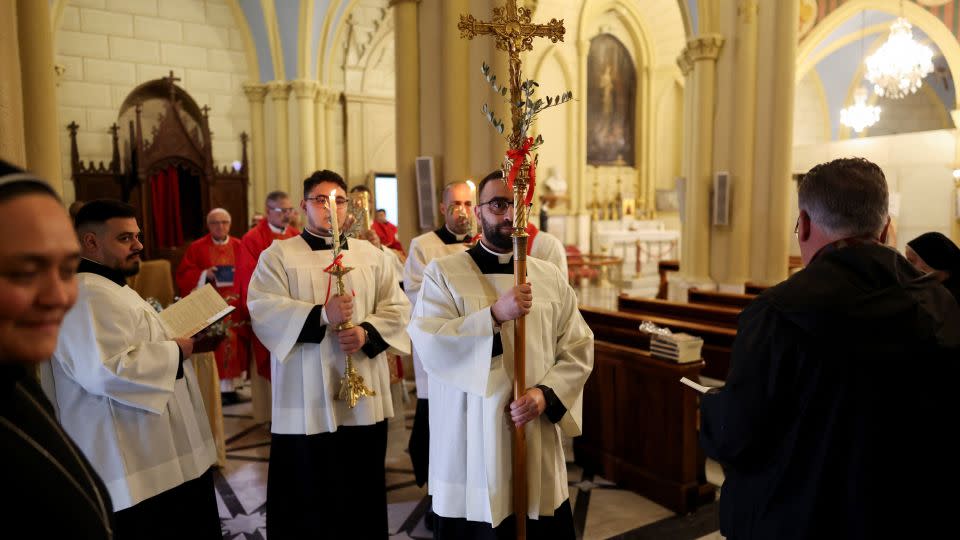
The Patriarchate characterized the incident as a “grave precedent,” highlighting the violation of sensitivities for Christians globally during Holy Week, which is deemed the most sacred time in the Christian calendar.
Palm Sunday marks the commencement of Holy Week, commemorating the entry of Jesus Christ into Jerusalem. The Church of the Holy Sepulchre is traditionally recognized as the location of his burial and resurrection.
Israeli officials attributed the prior restrictions to security issues amid ongoing tensions with Iran, citing recent missile attacks that had landed near the sacred site.
Subsequent to the backlash, police consented to a limited prayer arrangement at the Church, while retaining restrictions at other holy locations, including the Western Wall and the Al-Aqsa Mosque compound.
The office of Netanyahu denied any ill intent, affirming that the measures were strictly for public safety, but confirmed that plans were underway to permit religious leaders to worship at the site soon.
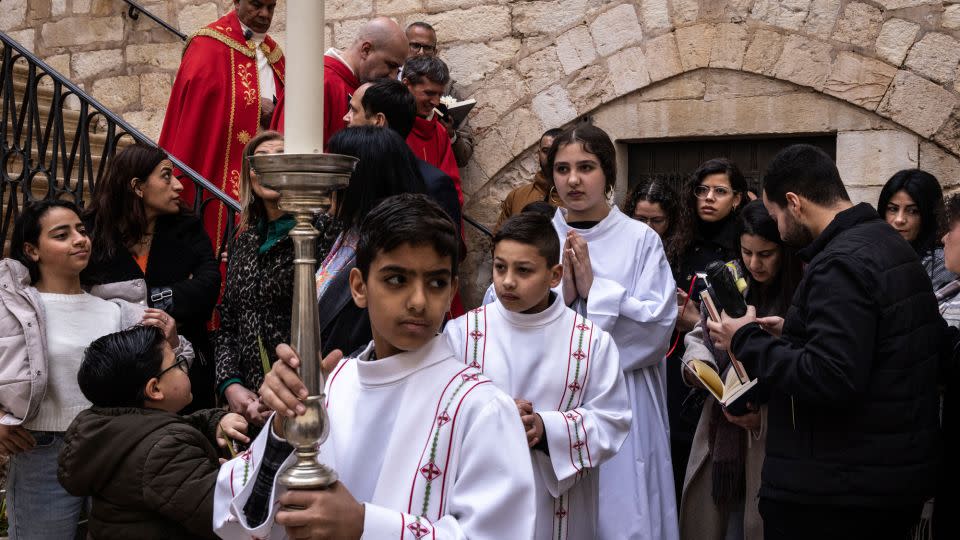
This decision incited significant international backlash. Italian Prime Minister Giorgia Meloni condemned the restrictions as an affront to religious freedom, and Foreign Minister Antonio Tajani criticized it as unacceptable, even summoning the Israeli ambassador for discussions.
Religious authorities also voiced their concerns, with Pope Leo denouncing violence and calling for peace, emphasizing that many Christians in the Middle East were hindered from fully practicing their religious rites due to the ongoing conflicts.
Countries including Saudi Arabia, Jordan, the United Arab Emirates, Qatar, Indonesia, Pakistan, Egypt, and Turkey decried the limitations on access to religious sites, labeling them as infringements on international law.
Comments (0)
You must be logged in to comment.
Be the first to comment on this article!