
Kim Jong Un, the leader of North Korea, has relieved his vice president of his duties due to problems associated with a factory modernization project. This action is perceived as an attempt to enhance discipline among senior officials in advance of a crucial ruling party congress.
State media reports indicate that Kim criticized Yang Sung Ho, a vice premier responsible for the machine-building sector, for the failures linked to the modernization of the Ryongsong Machine Complex located in northeastern North Korea. The initiative faced setbacks and losses attributed to what Kim labeled as irresponsible leadership.
During a ceremony that celebrated the completion of the first phase of the factory's update, Kim remarked that the project resulted in "not a small amount of economic loss" and expressed accusations of incompetence against the officials involved. He also mentioned that Yang had faced criticism at a party meeting in December but showed no sign of accountability afterward.
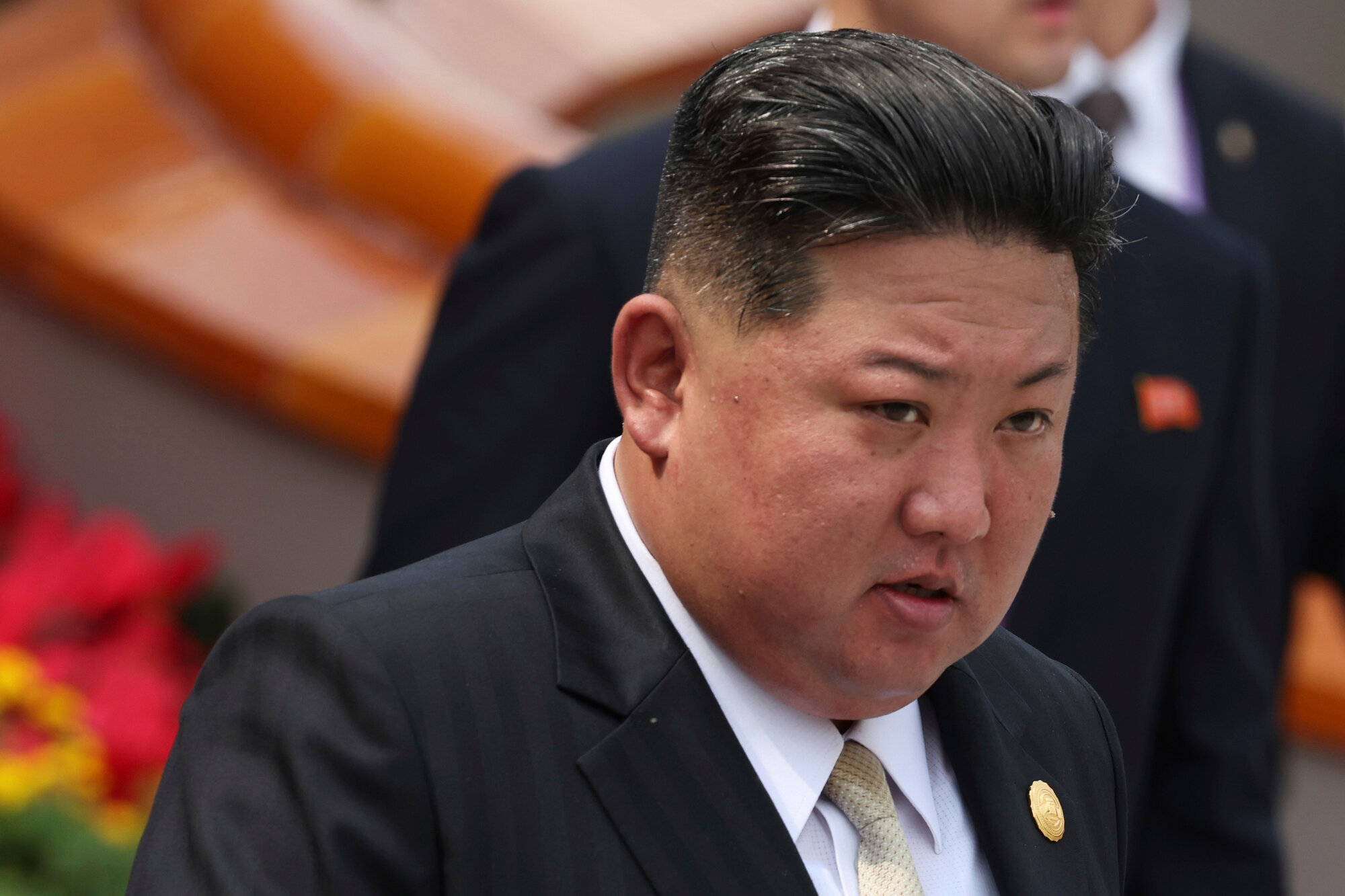
To illustrate his point, Kim used a metaphor, stating, "To speak figuratively in simpler words, he was like a goat yoked to pull an ox cart." He further questioned, "Could we expect a goat to pull a cart for an ox?" This metaphor highlights his disappointment with the vice president's performance.
Kim's public criticism and dismissal of officials have been characteristic of his leadership style. Analysts assert that such assertive actions aim to intensify pressure on senior officials, compelling them to produce better results ahead of the Workers' Party congress, which is the first in five years and regarded as one of the nation’s key political gatherings.
The upcoming congress is poised to evaluate previous policies, establish new political and economic agendas, and reorganize leadership roles. Observers suggest that Kim is likely leveraging these high-profile dismissals to reinforce loyalty and foster accountability within the governing elite.
Some analysts contend that the issues faced by the factory are symptomatic of deeper structural problems rather than the shortcomings of a single individual. They point to North Korea's significant emphasis on nuclear and missile advancement, chronic shortages of resources, and the consequences of international sanctions.
"Kim Jong Un has committed fully to nuclear and missile programs, yet he has mismanaged the economy," stated Moon Seong Mook, an analyst based in South Korea. He added, "He’s merely shifting the blame for his errors onto a subordinate."
The North Korean economy has faced significant challenges during the COVID-19 pandemic. Although there have been reports of slight growth recently, experts believe that a long-term recovery is improbable due to the nation’s centralized economic structure, sanctions, and the prioritization of weapon development. The limited growth, they note, has largely benefited the ruling elite and the defense sector instead of the wider populace.
The party congress, likely to convene later this winter, is anticipated to address economic management, nuclear weapons strategies, and the enhancement of relations with Russia and China.
Observers are keenly watching for any indications of renewed diplomatic engagement with the United States, especially given ongoing speculation that shifting global circumstances might open opportunities for dialogue.
Comments (0)
You must be logged in to comment.
Be the first to comment on this article!