
I did not stumble into Nigerian party politics by chance, nor did I engage with it to merely maintain the status quo. My entry was intentional, driven by a strong conviction that a system that has normalized failure and rebranded it as stability must be confronted and transformed. My determination to effect change has not been easy; however, I have remained steadfast. Consequently, those observing my journey from afar often label me as an extremist or a hardliner. Yet, many close to me recognize my dedication as a genuine Nigerian patriot, passionately committed to fostering a better future. What follows is my personal political testament, rather than a grievance or an attempt to rewrite history.
For a decade, I struggled to persuade the entrenched PDP to amend its detrimental practices, which included pursuing over ten court cases against the party, yet to no avail. In response, we conceived, organized, and executed a political endeavor that birthed the All Progressives Congress (APC), aimed at facilitating Muhammadu Buhari’s fourth presidential bid. This was a deliberate, not incidental, intervention grounded in Buhari’s widely respected integrity and aimed at reforming the power structure dominated by the PDP, reimagining the Nigerian state's ethics, its institutions, and its relationship with the populace.
We grasped a fundamental truth: true reform in Nigeria could not stem from opposition outside the power corridors. It became evident that we needed to secure power first to initiate systemic change. By carefully analyzing the national political landscape, the structural weaknesses from Buhari’s previous defeats, and the various fractures inherent in Nigerian politics, we architected a coalition capable of winning and sustaining power while confronting entrenched elite interests. Against all odds, our efforts bore fruit.
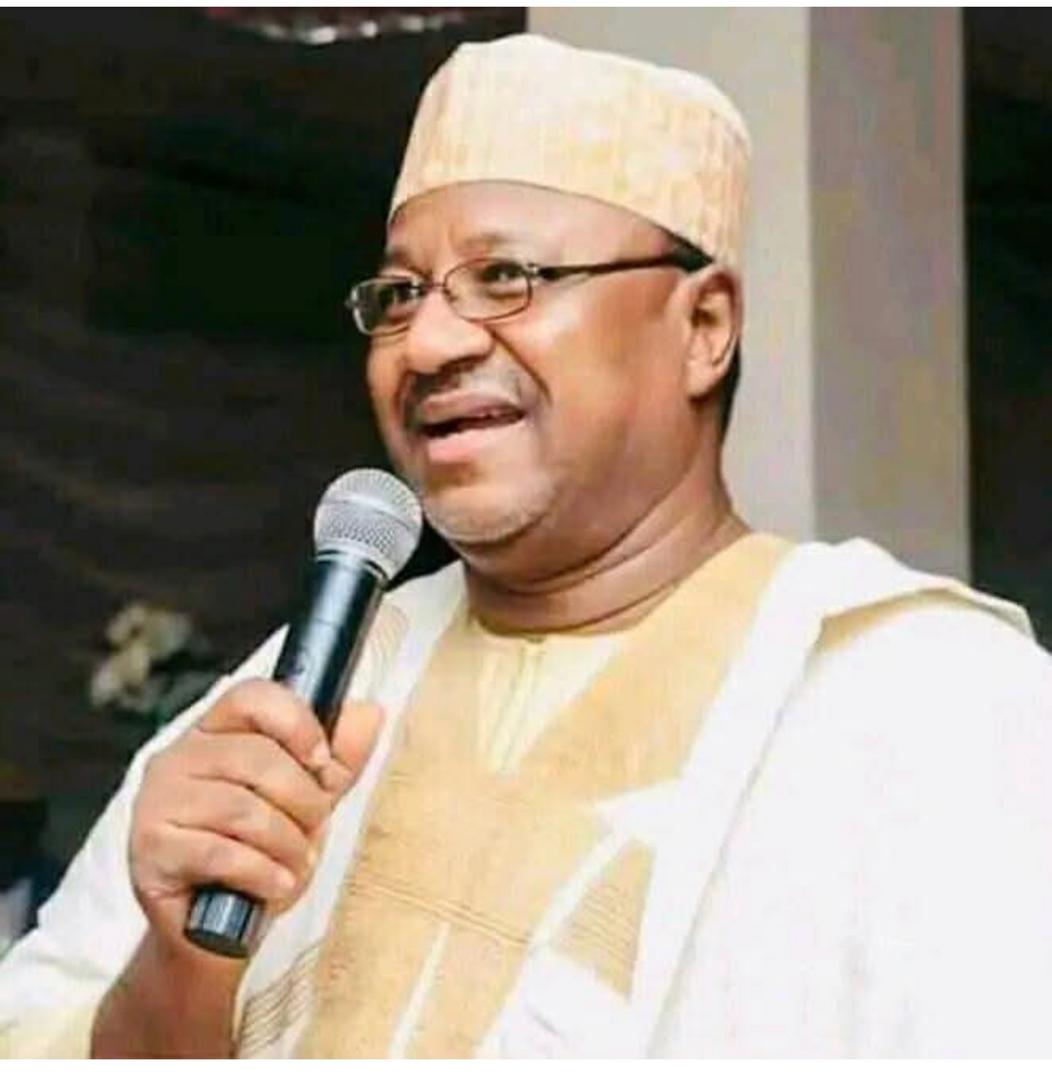
However, to our dismay, gaining power did not equate to reforming the system. Once victory was secured in 2015, a swift backlash against reform occurred. President Buhari, envisioned by many as a moral figurehead for change, fell short of our expectations. He became entwined with the very forces we sought to undermine, working against the changes we yearned for. Those of us who believed that our victory marked a new beginning for reform found ourselves marginalised and permanently locked out. The government functioned without our input; decisions were made in our absence, and the structures were intentionally reshaped to exclude us. The administration operated not only devoid of the reform agenda we had meticulously crafted but also contrary to it.
What transpired was not merely a postponement of reform but an outright rejection of it. Institutions weakened rather than strengthened; accountability became inconsistent. The party that had promised to usher in change instead grew comfortable with its established practices. By the time Buhari completed his eight-year tenure, the vision for reform lay in tatters—not because the Nigerian people repudiated it, but because the system, under the president’s direction, systematically quashed it from within. The Buhari experience underscored a harsh reality: when Nigerian power is threatened by reform, it opts not to negotiate but to absorb, exhaust, and ultimately obliterate it.
This failure by Buhari inevitably paved the way for a new player. In Nigerian politics, as elsewhere, vacuums are never left unattended. Bola Ahmed Tinubu entered this space. President Tinubu did not usurp Nigeria’s democracy; he inherited a system devoid of reform intent. His well-known proclamation of "emi lo kan" (it’s my turn), often interpreted as hubris, should be understood in a different light. It stands as one of the most forthright expressions in contemporary Nigerian politics. Within this existing power structure, political authority hinges less on ideology or service and more on turn-taking among elites, ethnic calculations, and mastery of political instruments. Tinubu made no pretense of being a redeemer; instead, he positioned himself as a contender, and the system responded accordingly.
As many Nigerians grappled with the realities of insecurity, inflation, and recurrent government failures, they often mistook mere control for actual leadership. Tinubu did not pledge radical transformation or restoration of order. In a nation where disarray often reigns, even the promise of order can be misconstrued as effective governance. When endurance is wrongly equated with accomplishment, expectations for governance fall dramatically. It is important to clarify—Tinubu did not originate godfatherism or patronage politics; he refined these practices. His presidency is not the catalyst for Nigeria’s decline but a manifestation of the rejection of a transformative agenda in 2015. As the Igbo adage goes, when the yam is left unprotected, the goat does not inquire who planted it.
This underscores why outrage directed solely at Tinubu misses the larger issue. Dismissing him without dismantling the structures that marginalized reform advocates after our victory will lead to the emergence of another like him—whether younger, older, smoother, or harsher, but still of the same ilk. Nigeria’s plight is rooted not solely in Tinubu’s governance; it is in the refusal to embrace genuine reform, thereby clearing the path for its most adept beneficiary.
This is my testament. Having witnessed the inner workings of the Nigerian state, it is evident that it does not change out of goodwill or gratitude. Transformation occurs only when propelled by organized citizenry, institutional bravery, and an unwavering refusal to accept failure. The mirror may exhibit cracks, yet it reflects reality. Whether Nigeria chooses to address what is revealed or continues to avert its gaze will determine whether this testament becomes a cautionary tale or a disregarded warning in the end.
Comments (0)
You must be logged in to comment.
Be the first to comment on this article!