
As the National Assembly commences its plenary session today after a recess, lawmakers are expected to tackle a full legislative agenda. Key topics on the docket include proposed amendments to the constitution, changes to the Electoral Act, ongoing disputes concerning tax reform legislation, and the possibility of party defections.
This session is viewed as crucial, with political activities intensifying as the country approaches the 2027 general elections.
Consideration of Constitutional Amendments
Initial discussions in the plenary are anticipated to focus on voting and deliberating on constitutional amendment bills. This is particularly urgent as lawmakers strive to adhere to constitutional deadlines for sending approved proposals to state Houses of Assembly.
Before adjourning in December, joint committees on constitutional review completed their work and presented a report for legislative action. Although voting was scheduled in the House of Representatives for December 10 and 11, 2025, it did not occur.
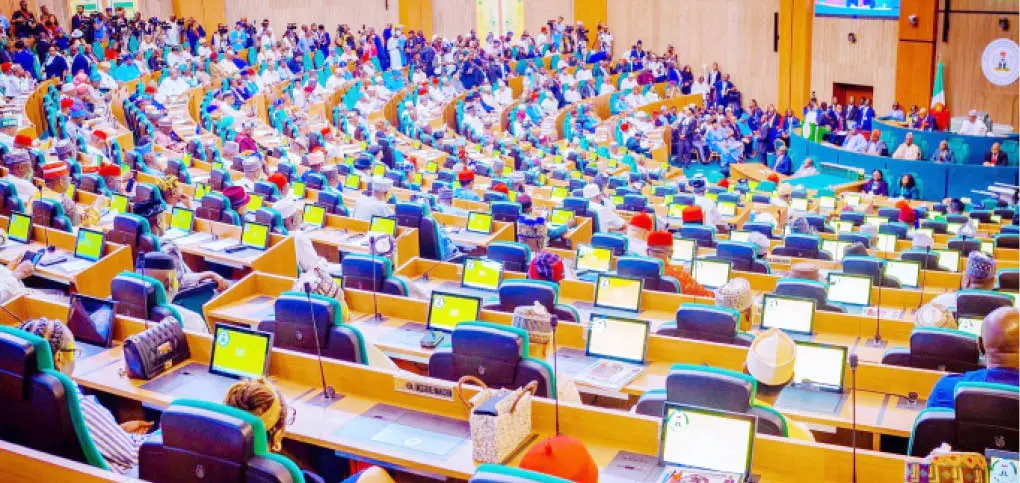
Among the principal proposals awaiting attention are those aimed at establishing state police, reserving special legislative seats for women, facilitating independent candidacy, defining roles for traditional leaders, and granting expanded authority to the National and State Assemblies to summon the President and governors over security-related issues.
For any modifications to succeed, they require a two-thirds majority approval in both chambers, followed by endorsement from at least 24 state assemblies.
Amendments to the Electoral Act
Closely associated with the constitutional revisions is the amendment of the Electoral Act, which is deemed essential for the preparations leading up to the 2027 elections. While the House of Representatives passed the Electoral Act amendment bill in December 2025, the Senate's deliberation on the matter is still outstanding.
The Senate is likely to prioritize this bill, which includes provisions for mandatory electronic results transmission, implementation of BVAS and other technological tools, limits on campaign spending, and harsher penalties for vote-buying alongside sanctions for electoral officials found in violation.
Civil society organizations and electoral analysts have expressed anxiety over the delays in these reforms, emphasizing their significance for the planning activities of the Independent National Electoral Commission.
Contentions Around Tax Reform
Lawmakers will also be addressing the ongoing controversy regarding modifications to officially published tax reform laws. The leadership within the House contends that the issue has been settled through the release of Certified True Copies and the efforts of a bipartisan committee. However, the Minority Caucus argues that uncertainties still remain.
Beyond the technicalities, this debate has stirred broader discussions regarding legislative authority, transparency, and the integrity of the lawmaking process.
Defections and Warnings from Civil Society
Additionally, lawmakers are preparing for potential defections, particularly from opposition parties to the ruling APC, particularly following recent shifts by governors in Plateau, Taraba, and Kano states.
In response, the Civil Society Legislative Advocacy Centre (CISLAC) has urged the 10th National Assembly to concentrate on governance and reform, rather than early campaigning. Executive Director Auwal Ibrahim Musa Rafsanjani cautioned that legislative efficiency often diminishes in an election year and expressed concerns over proposals to conduct the 2027 elections as early as November 2026.
CISLAC called for consistent attendance in plenary sessions, expedited passage of crucial reforms including electoral legislation, and enhanced oversight to maintain public confidence in the legislative body.
Comments (0)
You must be logged in to comment.
Be the first to comment on this article!