
North Korea revealed on Thursday that its recent weapons trials encompassed a variety of new systems, notably ballistic missiles outfitted with cluster-bomb warheads. This development is part of the nation's ongoing efforts to expand its nuclear arsenal, with a focus on targets in rival South Korea.
The announcement from North Korea's state media follows South Korea's military report of multiple missile firings from the country's eastern coast the previous day, marking the second consecutive day of launches.
According to the Korean Central News Agency (KCNA), the testing exercises commenced on Monday and continued for three days. The report further specified that the demonstrations also included anti-aircraft weapons, electromagnetic systems, and carbon-fiber bombs.
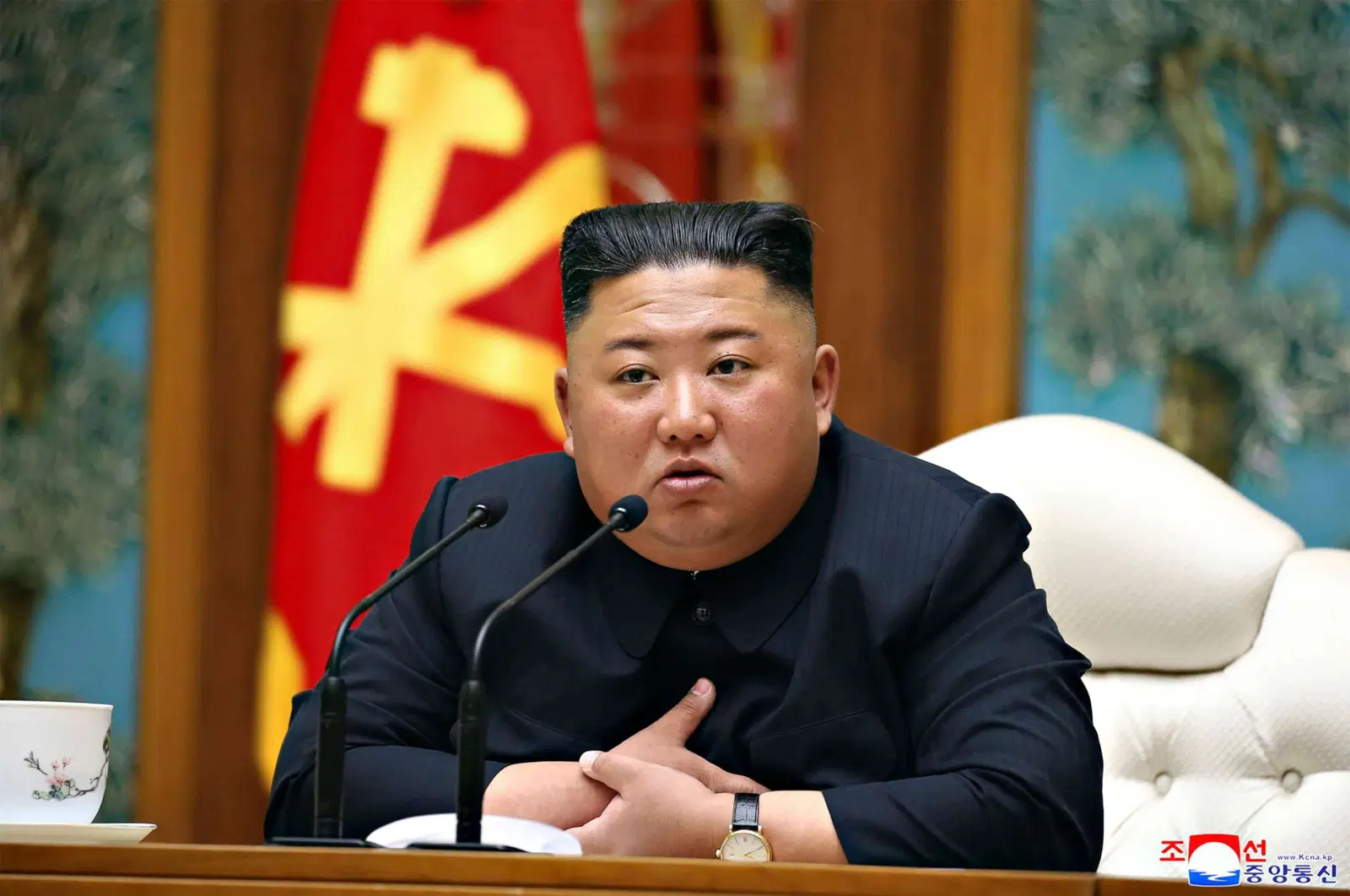
South Korea's Joint Chiefs of Staff indicated that the missiles launched on Wednesday covered distances ranging from 240 to 700 kilometers before impacting the sea. Additionally, an unspecified projectile was reportedly fired on Tuesday from a region near Pyongyang.
KCNA detailed that some of the tested missiles were nuclear-capable Hwasong-11 ballistic missiles, modified with cluster-munition warheads. These missiles are designed for low-altitude, evasive flight paths, similar to Russia's Iskander systems, to circumvent missile defense technology. The state news agency claimed these weapons could effectively devastate targets across an area of 6.5 to 7 hectares with significant impact.
South Korean military officials have not yet issued a formal response to these specific claims.
The recent tests underscore the persistent tensions between North and South Korea, diminishing prospects for renewed dialogue between the two nations.
Earlier in the week, Jang Kum Chol, a senior North Korean Foreign Ministry official, characterized South Korea as the nation's "most hostile enemy state" and criticized Seoul's leadership for pursuing diplomatic talks that have been stalled.
North Korean leader Kim Jong Un has largely suspended diplomatic engagement with both Seoul and Washington since the collapse of nuclear negotiations with former U.S. President Donald Trump in 2019. Since that period, North Korea has significantly accelerated the development of advanced missile systems capable of striking U.S. allies in Asia and potentially the U.S. mainland.
Furthermore, Kim has strengthened relationships with countries like Russia and China as a strategy to counteract international isolation and expand regional influence. Chinese Foreign Minister Wang Yi is anticipated to visit North Korea for a two-day trip, reflecting ongoing diplomatic exchanges between the two nations.
Comments (0)
You must be logged in to comment.
Be the first to comment on this article!