
Prominent Nigerian personalities have expressed strong disapproval of the presence of United States soldiers within Nigeria, characterizing it as a violation of the nation's sovereignty and a concerning precedent for foreign intervention.
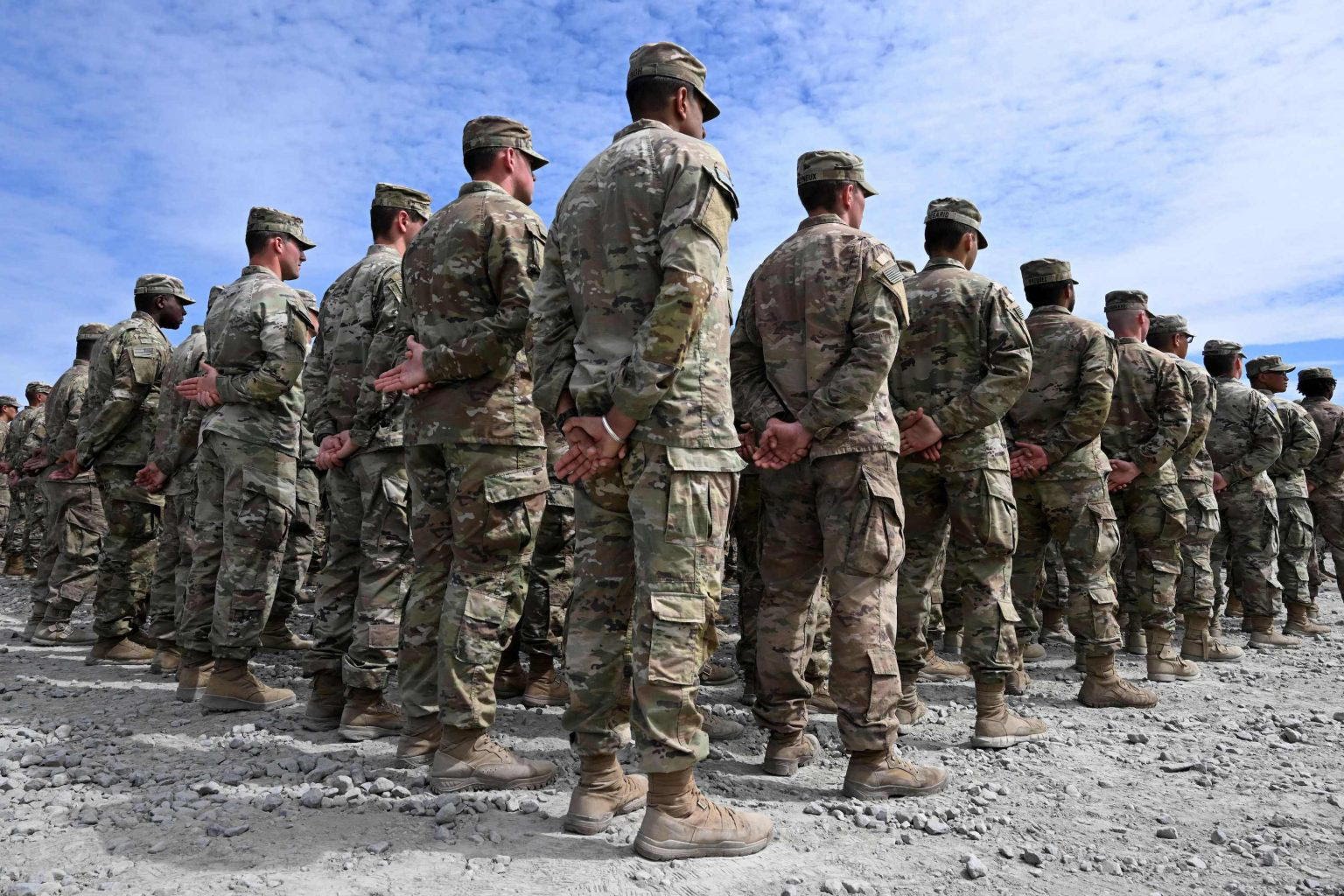
This development follows recent reports of US military aircraft beginning to land in Nigeria, shortly after American and Nigerian officials announced that approximately 200 US soldiers would be deployed to the country in advisory and training capacities. US officials have indicated that this deployment, intended to support specific counterterrorism operations, will involve a continuous flow of aircraft over several weeks.
However, Nigeria’s Defence Headquarters (DHQ) has clarified that the US personnel are technical specialists strictly involved in advisory and training roles, not combat duties. The DHQ emphasized that all operations would be conducted under the authority and direction of the Nigerian government, in close collaboration with the Nigerian Armed Forces.
A group comprising Femi Falana (SAN), Professor Jibrin Ibrahim, Dr. Abubakar Siddique Mohammed, Dr. Dauda Garuba, Professor Massaud Omar, Professor Mohammed Kuna, Engr. YZ Ya’u, and Dr. Usman Bugaje released a joint statement titled “No to Foreign Forces in Our Land: Defend Our Sovereignty.” They argued that the presence of US soldiers raises significant constitutional and sovereignty issues.
The signatories highlighted Nigeria's historical stance against foreign military dominance, warning against what they termed a gradual establishment of a neo-colonial arrangement. They recalled, "Nigeria’s history is replete with principled resistance to foreign military domination. At critical moments, our leaders—civilian and military alike—have asserted our sovereignty and rejected external interference. That legacy must not be abandoned."
The statement referenced the abrogation of the Anglo-Nigerian Defence Pact of 1960 due to widespread public opposition, asserting that "Political independence without military sovereignty is incomplete." The group also pointed to Nigeria's firm position during the 1976 Organisation of African Unity (OAU) summit on Angola, where then-General Murtala Mohammed declared that "Africa has come of age and would no longer operate under the orbit of any extra-continental power."
The signatories further noted a concerning trend of attempts to impose military agreements on Nigeria. They cited the withdrawal of a proposed Military Cooperation Agreement between the US and Nigeria in 2001 after significant opposition from the Ministry of Defence. Additionally, they mentioned the Nigerian Senate's nullification in 2005 of a Bilateral Immunity Agreement (BIA) signed in 2003, which would have shielded American citizens from surrender to the International Criminal Court, citing constitutional violations.
"These episodes demonstrate a consistent national principle: foreign military arrangements must comply with Nigeria’s Constitution and must never compromise our sovereignty," the group stated, referencing Section 12(1) of the 1999 Constitution, which mandates that treaties must be enacted by the National Assembly to have legal force.
The statement refuted any claims of inadequacy within Nigeria's Armed Forces, highlighting their commendable performance in international peacekeeping missions under the UN and AU, including significant roles in ECOMOG operations in Liberia and Sierra Leone. They proposed that instead of outsourcing security, Nigeria should focus on fully equipping and modernizing its police and armed forces, enhancing intelligence coordination, improving troop welfare, and investing in domestic defense production, while also addressing the underlying socio-economic factors contributing to insecurity.
The group cautioned that sovereignty is fundamental to statehood and that the stationing of foreign troops without transparent constitutional processes dilutes this sovereignty. "Nigeria must not drift into arrangements that future generations will struggle to reverse. History teaches us that sovereignty surrendered in the name of expediency is rarely easily reclaimed," the statement concluded. They urged the federal government to remain steadfast in upholding Nigeria's tradition of rejecting neo-colonial defence pacts and unconstitutional agreements.
In a separate interview with Daily Trust, Professor Jibrin Ibrahim voiced concerns over a perceived public complacency regarding potential defence agreements, contrasting it with the strong resistance to the Anglo-Nigerian defence pact in the 1960s. He expressed worry that the public indifference could lead to the acceptance of foreign assistance without fully considering the implications.
Professor Ibrahim questioned the effectiveness of US military interventions globally, arguing that their involvement abroad has often exacerbated, rather than resolved, security issues. "In which country has America offered to help in security, led to improved security? There is none in the world. All their external involvements have been to deepen insecurity, rather than to improve the security situation," he stated.
Comments (0)
You must be logged in to comment.
Be the first to comment on this article!