
Raymond Dokpesi Jr., the head of DAAR Communications Plc, which operates African Independent Television (AIT) and Raypower Radio, has publicly announced his intention to run for the Chairmanship of the Broadcasting Organisations of Nigeria (BON). His platform includes a promise for comprehensive reforms to enhance and modernize the broadcasting sector in Nigeria.
During his address at the DAAR Communications headquarters in Abuja, Dokpesi Jr. characterized the broadcasting industry as being at a pivotal moment, facing significant economic challenges, the impacts of digital transformation, and stringent regulatory hurdles. He emphasized that collaboration among broadcasters is crucial for the industry's sustainability and growth.
He highlighted the significance of BON's rotational leadership principle, which he believes ensures inclusivity and fair representation across various broadcasting platforms, including public, private, cable, satellite, and emerging broadcasters.
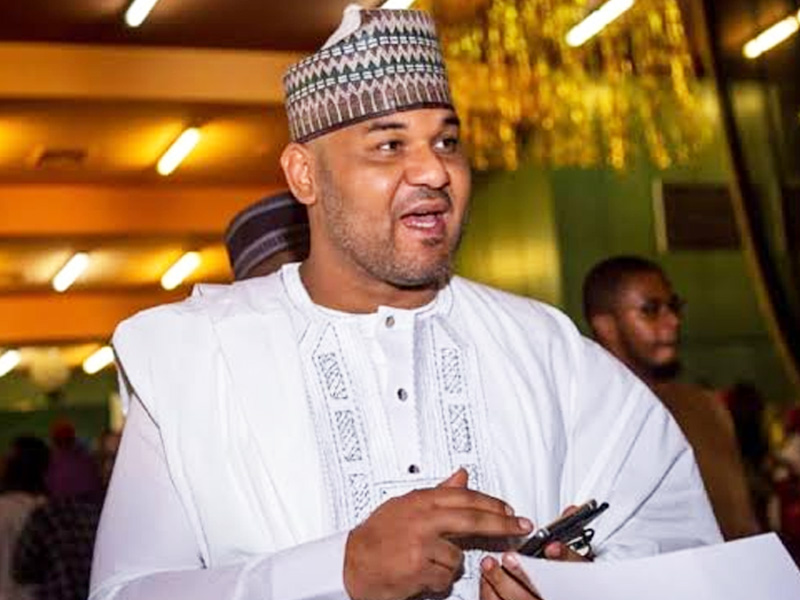
"The rotation system allows all operators, regardless of their scale, to feel a sense of belonging and investment in the industry's future," he stated.
In terms of regulation, Dokpesi Jr. called for a balanced approach that protects national security and public interest while upholding press freedom. He proposed a reevaluation of the National Broadcasting Commission (NBC) Act, which he described as primarily influenced by Nigeria’s military past.
He argued that regulatory practices should focus on providing incentives, fostering collaborative efforts, and promoting self-regulation to cultivate professionalism and elevate industry standards.
Amid warnings about the increasingly unsustainable financial landscape of broadcasting in Nigeria, Dokpesi Jr. appealed for government intervention and the introduction of innovative funding mechanisms to aid broadcasters. He suggested strategies to draw in new investments, accelerate digital advancements, and stimulate innovation to ensure the sector's long-term viability.
In his agenda for BON, Dokpesi Jr. outlined five key pillars: safeguarding national information sovereignty, fostering ethical content production, enhancing inclusivity and accessibility, promoting technological innovation, and ensuring sustainable growth within the industry.
He referenced successful reforms at DAAR Communications as evidence that transformational change is possible through effective leadership and collaboration.
Dokpesi Jr. urged broadcasters to unite and engage proactively with governmental bodies, stressing that the future of broadcasting in Nigeria relies on collective efforts and significant reforms.
Comments (0)
You must be logged in to comment.
Be the first to comment on this article!