
Six months ago, I examined the urgent need for Special Legislative Seats for women in Nigeria. As we approach the voting phase in the 10th National Assembly regarding the Bill, the stakes are undeniably high. This decision transcends a mere procedural vote; it serves as a crucial test for the Assembly's ability to be both responsive and inclusive, especially in an era marked by fragile public confidence. With ongoing controversies surrounding election result transmission and discussions on key national policies, the Senate faces heavy scrutiny. Approving the Special Seats Bill would not only enhance the representation of women but also demonstrate that the legislature is capable of decisive action to fortify democracy.
The ramifications of exclusion are significant. Historically, Nigerian women have not been mere spectators; they wielded substantial influence and enjoyed recognized rights to engage in trade and governance. The 1929 Aba Women’s Riot stands as a powerful repudiation of the loss of these rights, reflecting a struggle to reclaim agency taken by a hierarchical system.
The Special Seats Bill embodies a contemporary approach to ensuring that women hold formal, direct representation in decision-making spaces that affect their lives. Women in Nigeria should not have to resort to crises or riots to safeguard their interests. Advocating for Special Seats is a crucial step not only for gender equality but also for creating a democratic environment that respects the contributions of our ancestors.
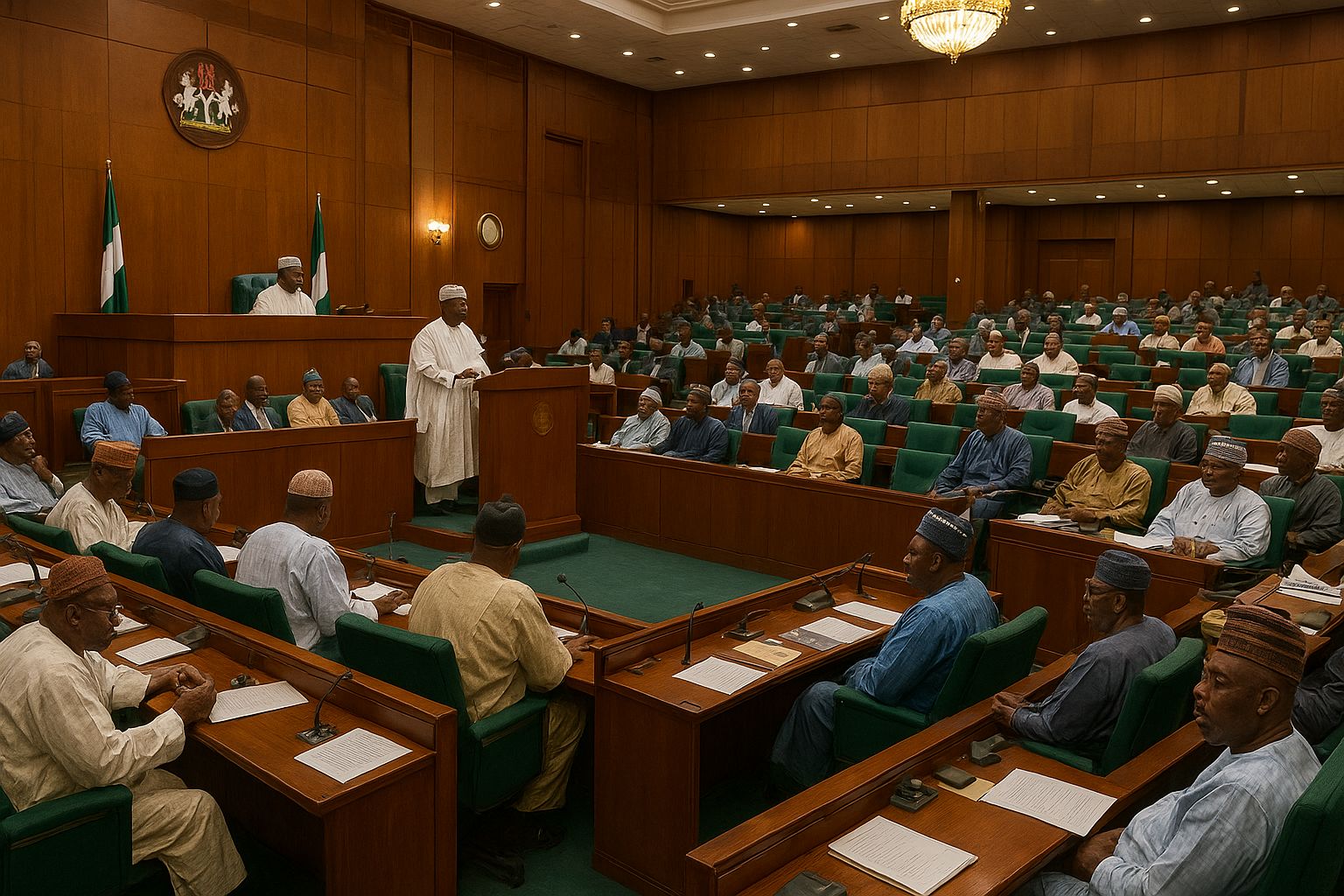
If enacted, the bill would introduce a definite number of additional seats in the National Assembly and the various State Houses of Assembly. This targeted, temporary measure aims to complement the existing electoral framework and help navigate the structural barriers present in a winner-takes-all political arena.
For a Senate facing intense scrutiny, passing this bill would signal its ability to adapt, reform, and respond to the evolving needs of the country. Constitutional reforms have often seemed superficial, characterized by grand public hearings and a descent back into old practices. The Senate now possesses a rare opportunity to establish a new precedent.
Political analysts often describe the opposition to this bill as a narrow survival tactic, suggesting that parties prioritize male candidates for electoral success. However, the issue is not the lack of competent women but rather a system that systematically undermines their visibility.
Reflecting on the 2016 Senate's rejection of the Gender and Equal Opportunities Bill, it is clear that if the 10th National Assembly desires to be remembered beyond rhetoric, it must take steps to reform the landscape itself. Approving the Special Seats Bill would indeed convey that women’s participation in governance is not merely an option but an essential standard.
As the 2027 elections approach, legislators are faced with a crucial choice: either remain entrenched in outdated, exclusionary politics or emerge as pioneers of a modern Nigeria. Supporting the Special Seats Bill will determine whether the Senate simply endures the news cycle or takes the initiative to redefine it.
Comments (0)
You must be logged in to comment.
Be the first to comment on this article!