
A young college student visits the clinic, accompanied by his mother, who is anxious about his noticeable weight loss. She insists that he maintains a healthy diet and is well taken care of. Observing his expensive watch, shoes, and iPhone, I agree with her; financial constraints aren't the issue. Preliminary tests at the university clinic yield no significant results, yet her son consistently returns home thinner during holidays.
Her immediate suspicion is substance abuse; despite his firm denials, she insists he undergoes a urine toxicology test, which comes back negative. Convinced, she brings him to the hospital for a thorough assessment, questioning if he might have cancer.
A multitude of tests are conducted, and when the results arrive, I sit down with the young man and his parents to discuss them.
The grim diagnosis reveals that the young man has Pulmonary Tuberculosis.
His father, adjusting his expensive glasses, looks at me incredulously: "TB? Are you saying that people still contract TB?"
My friend, you have no idea.
For numerous medical professionals trained in the last twenty years, tuberculosis (TB) feels like an old acquaintance. It's an illness we comprehend, one we learned to manage and even control. We were under the impression that TB was an old problem, predictable and, most importantly, preventable. We had the Bacillus Calmette Guérin (BCG) vaccine. We possessed established treatment protocols, witnessed directly observed therapy, and followed algorithms. We held onto hope.
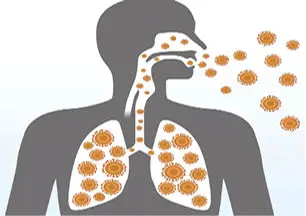
In the past, we attributed TB's persistence largely to HIV. The narrative was tidy and reassuring: HIV compromises the immune system, allowing TB to thrive. Africa suffered the most, leading to a surge in TB cases. TB became the foremost cause of death among individuals living with HIV. This explanation was logical. We mobilized resources, implemented antiretroviral therapy, integrated TB and HIV services, and gradually witnessed remarkable outcomes: HIV-related mortality decreased, viral loads became undetectable, and life expectancy improved.
Yet, in recent years, TB has quietly resurfaced.
Even as HIV rates have declined in various regions, TB cases have risen globally in both affluent and impoverished countries, urban centers, rural areas, refugee camps, and slums; TB's presence is expanding everywhere.
The global discussion is evolving.
Vaccination is often viewed as a magical defense. However, the BCG vaccine, while valuable, has limitations. It safeguards young children from severe TB forms like meningitis and disseminated disease. It does not reliably protect adults from pulmonary TB—the most contagious form. This is a fact many are unaware of. We frequently refer to “the TB vaccine” as though it's on par with vaccines for measles or polio. It is not. Unfortunately, in various global regions, BCG vaccination rates are diminishing, hampered by conflict, fragile healthcare systems, misinformation, and competing health priorities.
TB flourishes when the immune system is compromised, but immunity is influenced by many factors beyond viruses. Malnutrition remains one of TB's longstanding allies. A body deprived of essential proteins, micronutrients, and calories cannot effectively mount an immune response. Currently, global hunger is again on the rise, reversing years of progress. Inflation, climate change, conflict, and displacement have driven millions into food insecurity. Under such circumstances, TB does not need an invitation; it will simply enter.
Moreover, poverty is a harsh reality—not merely an abstract concept. Poverty influences your living conditions, dictates the number of people sharing your space, determines whether you can open a window, affects your ability to reach a clinic, and influences whether you can complete a six-month treatment or prematurely stop when you start feeling better and need to return to work. TB treatment is prolonged, exacting, and socially disruptive. Miss doses, and the bacterium adapts. Drug-resistant TB doesn’t arise by chance; it results predictably from systems that require perfect adherence from individuals living in imperfect realities.
We must also confront the world we have constructed—crowded, mobile, and marked by inequality. Rapid urbanization has spawned densely populated informal settlements with poor ventilation and inaccessible health services. Migration, driven by economic necessity or violent strife, forces people into close quarters under stressful circumstances. TB can spread discreetly, long before symptoms become severe enough for individuals to pursue care.
And of course, we cannot forget COVID-19.
The pandemic did not only lead to millions of deaths; it destabilized global health infrastructures. TB services experienced severe disruptions. Screening initiatives were halted, diagnostic machines reassigned, and healthcare workers reallocated. Patients remained at home, fearing infection, locked down, or forgotten. During this time, TB did not vanish; it simply went unnoticed. Now the backlog is becoming apparent, and the statistics suggest an uptick. In reality, it represents a reckoning.
We also need to acknowledge the fatigue surrounding infectious diseases. Attention shifts rapidly. Emergencies garner funding; chronic issues do not. TB is slow-moving, politically awkward, and closely associated with social injustice. It does not generate sensational headlines until it evolves into a form that is drug-resistant and fatal. Even then, societal outrage tends to be fleeting.
So when affluent elite question if TB still exists, it highlights a significant ignorance about global realities.
Tuberculosis transcends being merely a medical challenge; it acts as a reflection. It sheds light on how we nourish our populations, the quality of our housing, the value we place on labor, our responses to poverty, and how we craft healthcare systems. It reveals the shortcomings of vaccines when societal conditions are hostile to health. It reminds us that diseases do not exist in isolation; they are intertwined with economics, politics, and policy. This explains how a wealthy university student can contract TB simply by sharing a hostel with someone suffering from a persistent cough.
The narrative of TB today is not solely about scientific failures. It represents a tale of fragmented priorities, inadequate investment in primary healthcare, and nutrition initiatives regarded as charity rather than essential infrastructure. It speaks to a global solidarity that ignites during emergencies but dwindles in times of recovery.
TB's resurgence does not demand miraculous new drugs or flawless vaccines, although both would be beneficial; it compels us to confront harder questions: Are we prepared to address poverty as a health concern? Are we willing to invest in nutrition, housing, and robust healthcare systems with the same urgency we show during pandemic crises? Can we accept that certain diseases continue to exist not due to a lack of understanding, but because we permit inequality to persist?
The young man ultimately recovered, but I still carry the weight of his diagnosis. His parents told everyone concerned that he had a 'chest infection' (which is technically true) and quickly secured him a private room off campus. They ensured his separation from the general populace.
Another victory for inequality.
Comments (0)
You must be logged in to comment.
Be the first to comment on this article!