
President Bola Tinubu has appealed for greater global investment to bolster skills training and job opportunities for the youth in Nigeria.
During a rally aimed at enhancing the federal government’s skills acquisition initiatives, the President addressed development partners, industrial leaders, and policymakers, encouraging them to increase their commitment to these efforts targeting millions of young Nigerians.
Vice President Kashim Shettima, speaking at the National Skills and Industry Alignment Roundtable Series (Q1 2026) in Abuja, echoed the President's sentiments, stressing the importance of clarity, collaboration, and unified outcomes among key players. Shettima highlighted the necessity for investments to develop a cohesive system where skills translate into stable employment capable of fostering economic growth.
The roundtable, which focused on the theme “Bridging Skills Supply and Labour Market Demand,” was organized by the Office of the Vice President with backing from the European Union (EU). In his speech, Shettima, represented by the Deputy Chief of Staff to the President, Senator Ibrahim Hadejia, praised the EU for its ongoing support towards Nigeria’s job creation and youth development goals.
He noted that the partnership has been crucial in enhancing coordination and collective efforts to provide opportunities for young people in Nigeria.
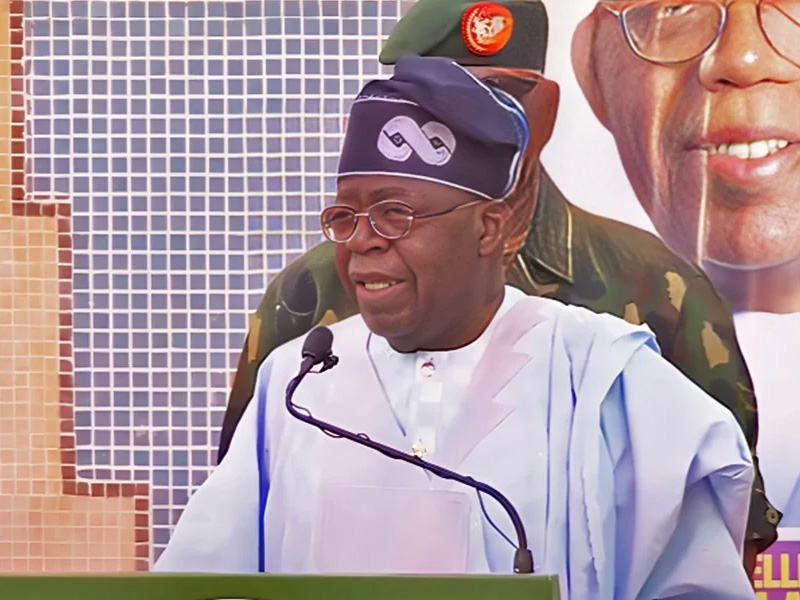
Describing Nigeria as possessing one of the world's largest youth populations, Shettima pointed out that every year millions enter the job market with aspirations and potential. He remarked that the majority of jobs available are informal and unstable, emphasizing the need for sustained and targeted interventions to ensure graduates are prepared for the workforce with appropriate skills.
Shettima stated, “This indicates that the issue isn’t merely job creation; it’s about alignment. Nigeria does not struggle with a talent deficiency. Until there is harmony between skills and industry needs, job creation will not reach its full capacity.”
He emphasized the commitment of the Tinubu administration to confront these challenges by transitioning from disjointed programs and uncoordinated efforts toward a more integrated approach that ensures skills lead to employment, which in turn spurs entrepreneurship and economic development.
He further elaborated, “Last year, with the support of the EU, we conducted a comprehensive mapping of the job creation landscape and held a National High- Level Policy Dialogue focused on this issue.”
Shettima argued that sustainable employment opportunities would not rely solely on government initiatives but would require a collaborative ecosystem where industry takes the lead and the government plays a supportive role. Speaking on the importance of the roundtable series, he explained that it was designed to facilitate engagement among policymakers, industry representatives, development partners, and other institutions to align their efforts effectively.
He stressed the need to move beyond discussions to actionable measures that connect training with job opportunities and align education with industry demands and policy outcomes. Shettima insisted that stakeholders could not shift the responsibility of job creation entirely onto the government; industries must play an active role as co-creators of the workforce needed in Nigeria.
He stated, “Development partners must also play a vital role—not just in funding initiatives but in fostering alignment, coordination, and scaling effective solutions.”
Shettima asserted that the fragmented approach to action must change and that time demands coordinated results, urging that Nigeria has the talent and opportunities but requires disciplined execution and collaboration among all stakeholders.
Earlier, Minister of Housing and Urban Development, Ahmed Dangiwa, highlighted the necessity of the roundtable, indicating that many employers are in search of skilled workers. He pointed out that the housing development sector encompasses a vast array of activities, necessitating cooperation among stakeholders and development partners to tackle housing shortages, which will subsequently stimulate economic growth.
Massimo De Luca, the EU Head of Cooperation for Nigeria and ECOWAS, recognized the ongoing partnership with the Office of the Vice President and other stakeholders, including the Tony Elumelu Foundation, to make impactful strides in skills development and job creation. He noted that the EU has been concentrating on creating beneficial engagement within Nigeria’s production framework in recent years.
De Luca expressed appreciation for the efforts of the Office of the Vice President in embedding relevant training programs for Nigerians, ensuring they are part of an overarching ecosystem.
The Senior Special Assistant to the President on Delivery and Coordination, Akubo Adegbe, characterized the roundtable series as a structured initiative aimed at enhancing coordination across Nigeria’s job creation landscape. He affirmed that the series serves as a vital platform for key players to engage and discuss how to drive impactful changes in priority economic sectors, moving from collaborative engagements to tangible outcomes.
Comments (0)
You must be logged in to comment.
Be the first to comment on this article!