
President Donald Trump of the United States has intensified rhetoric concerning Cuba, stating he possesses the authority to take any action he deems fit regarding the island nation, even as delicate diplomatic negotiations aim to foster improved relations.
These declarations coincide with a growing crisis in Cuba, where a significant energy shortage and island-wide power outages have highlighted the nation's deteriorating economic conditions.
"I do believe I'll be … having the honor of taking Cuba. That’s a big honor. Taking Cuba in some form," Trump informed reporters while participating in a bill signing ceremony at the Oval Office, referring to the island's current severe economic downturn.
He further elaborated, "I mean, whether I free it, take it. Think I can do anything I want with it. You want to know the truth," he added.
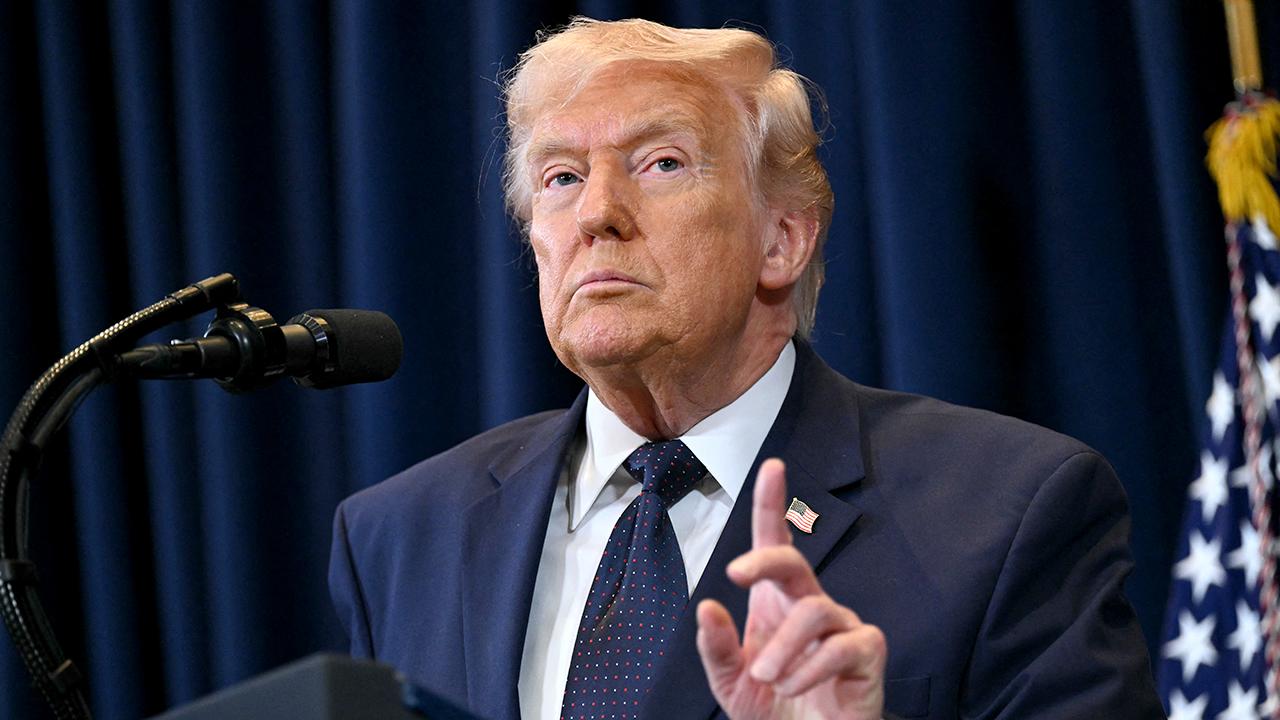
The pronouncements represent a notable escalation in tone, particularly given the ongoing dialogue between Washington and Havana, which seeks to mend decades of strained relations.
Sources indicate that a primary objective for the U.S. in the current discussions is the removal of Cuban President Miguel Diaz-Canel, a demand that Havana is expected to resist, having consistently opposed external intervention in its internal affairs.
President Diaz-Canel, who assumed leadership in 2018 following the tenures of Fidel Castro and Raul Castro, has maintained that any negotiation must uphold Cuba's sovereignty and its existing political framework.
Concurrently, U.S. pressure has mounted through economic sanctions. Following the removal of Nicolas Maduro, a key ally of Cuba, from the Venezuelan presidency, Washington suspended oil shipments to the island, exacerbating fuel scarcity and contributing to widespread blackouts.
This situation has plunged Cuba into one of its most profound crises in recent memory, marked by electricity rationing, economic stagnation, and increasing hardship for its population.
Despite the ongoing diplomatic engagement, Trump has alluded that actions concerning Cuba might follow U.S. operations elsewhere, remarking: '”We’re talking to Cuba, but we’re going to do Iran before Cuba.”
His statements stand in contrast to established U.S. policy commitments, including assurances against invading Cuba made after the 1962 Cuban missile crisis.
As of now, the White House has not provided any justification for potential military action, and Cuban officials have yet to issue an official response to President Trump’s latest remarks.
Comments (0)
You must be logged in to comment.
Be the first to comment on this article!