
President Donald Trump has announced significant new tariffs targeting key European allies, intensifying the pressure on nations that are resisting the United States’ attempt to acquire Greenland.
In his statements, President Trump indicated that a 10 percent tariff will be applied from February 1 on imports from Denmark, Germany, France, and the United Kingdom. Should the nations fail to reach an agreement by June, the administration is prepared to increase the tariff to 25 percent, with additional hikes possible until their positions change.
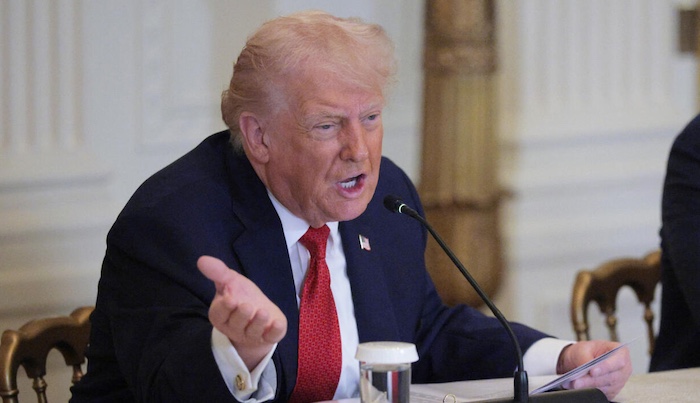
The president has made it clear that these tariffs are a direct consequence of the opposition to the U.S. pursuit of Greenland, indicating that such trade pressures will serve as a pivotal tool in negotiations. As per Trump, these actions are intended to urge cooperation from governments that resist Washington's strategic goals.
Trump referenced prior situations to justify this approach, particularly drawing parallels to incidents from his first term regarding Mexico, where tariff threats resulted in rapid policy changes, including military deployments to the U.S.-Mexico border. He contends that tariffs have proven effective in high-stakes international dialogues and can achieve quick outcomes.
So far, European governments have not issued a collective response, but this announcement raises concerns about increased trade friction between the United States and its traditional allies. Economists caution that escalating tariffs could disrupt trade between the Atlantic nations and potentially strain diplomatic relationships if the situation worsens.
The administration has stated it will keep a close watch on the responses from the affected countries and will adjust the tariff rates as necessary. For the time being, Trump conveys that his pressure strategy will persist until a resolution is achieved, keeping global markets and diplomatic observers attentive to upcoming developments.
Comments (0)
You must be logged in to comment.
Be the first to comment on this article!