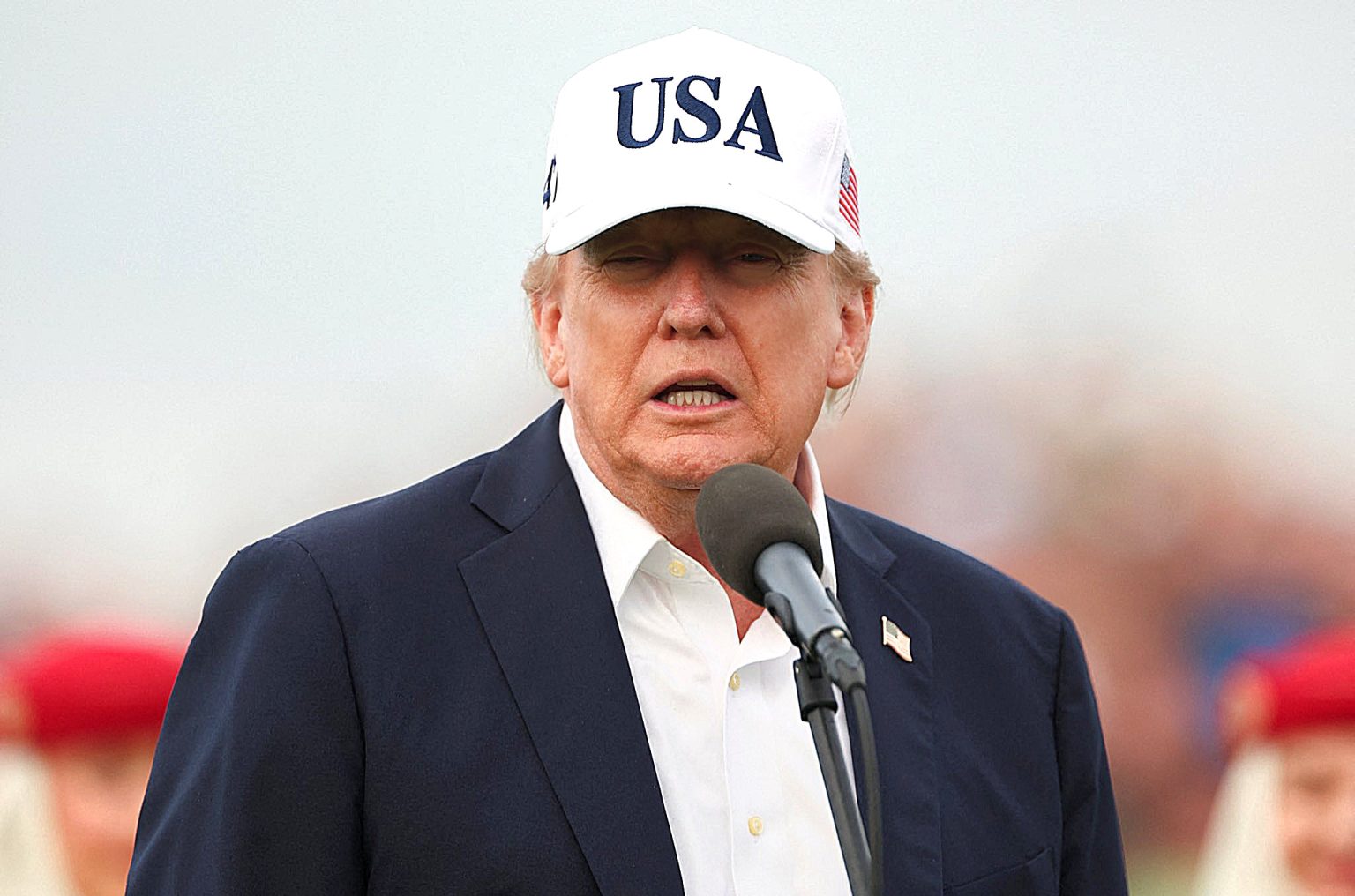
United States President Donald Trump renewed threats of potential military strikes against Iran during a political rally in Iowa, stating that Washington might eventually need to deliver a decisive blow to Tehran. Addressing supporters ahead of the upcoming midterm elections, the American leader asserted that his previous restraint from further military engagement was primarily intended to prevent additional casualties.
"And the only reason why I'm not finished with Iran is I want to be nice. I want to try and save all those lives if I can...But at some point we're going to have to give them the hammer," Trump stated during the event.
These statements align with previous indications from Washington that further strategic targets in the Middle Eastern nation remain under active consideration as geopolitical tensions persist between the two countries.
How did Iranian officials respond to the threats?
In swift retaliation, representatives for the Iranian government cautioned that any renewed military conflict with the United States would drastically surpass previous hostilities in both scale and duration, making it clear that Washington would not control how engagements conclude.
Brigadier General Mohammad Akraminia, an Iranian military spokesperson, declared that Tehran stands fully prepared for an extended confrontation, firmly rejecting the notion that American forces could dictate the terms under which hostilities might end.
"A potential future war could last longer than previous conflict, and the American president would not be in a position to dictate the timing or the conditions of its conclusion," Akraminia conveyed through state television broadcasts.
The diplomatic exchange underscores the ongoing fragility in bilateral relations, recalling historical escalations and previous international efforts to manage Iran's nuclear development program and regional influence through economic sanctions and diplomatic negotiations.