
The United States has initiated phase two of President Donald Trump’s initiative to bring an end to the hostilities in Gaza, establishing a technocratic Palestinian government responsible for managing the region's shift from conflict to rebuilding.
On Wednesday, US envoy Steve Witkoff made the announcement, indicating that this new phase aims to transition Gaza from a precarious ceasefire into a stage of full demilitarisation, innovative governance, and extensive reconstruction efforts. This strategy includes disarming Hamas and other militant Palestinian groups while simultaneously rebuilding Gaza's severely damaged infrastructure.
This second phase follows a ceasefire reached in October, which formed part of the first phase involving a hostage-prisoner swap, a partial withdrawal of Israeli forces, and increased humanitarian support. However, Witkoff cautioned that Hamas must fully adhere to its commitments, including returning the remains of the last deceased Israeli hostage. He stressed that non-compliance would result in "serious consequences."
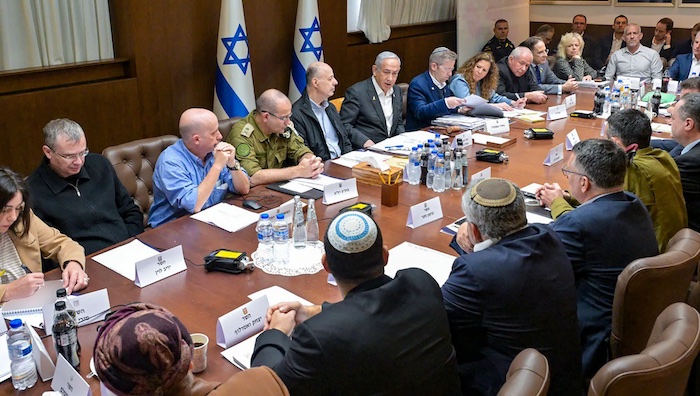
Two significant hurdles remain in this process. Hamas has consistently stated its refusal to relinquish its arms without the establishment of an independent Palestinian state, while Israel has yet to agree to a complete withdrawal from Gaza. The existing ceasefire remains tenuous, with both sides accusing one another of infractions and hundreds of Palestinians reported killed in Israeli strikes since the ceasefire took effect.
According to the proposed plan, Gaza will be administered by a 15-member National Committee for the Administration of Gaza, led by Ali Shaath, a former deputy planning minister of the Palestinian Authority. This committee will function under the oversight of a “Board of Peace,” headed by Trump, with former UN Middle East envoy Nickolay Mladenov anticipated to represent the board in Gaza.
Regional facilitators Egypt, Qatar, and Turkey welcomed the establishment of the technocratic government, expressing that it may contribute to stabilising Gaza and enhancing humanitarian conditions. Both Hamas and Palestinian Islamic Jihad have expressed their support for this new administration, while the Palestinian Authority has also indicated its endorsement, highlighting the necessity for unified governance across both Gaza and the West Bank.
Additionally, Trump’s initiative also proposes the creation of an International Stabilisation Force aimed at training and assisting selected Palestinian police units. The Palestinian Authority is expected to assume complete governance of Gaza once it has fulfilled necessary reforms and can manage the territory in a "secure and effective" manner.
Tensions persist regarding the status of Ran Gvili, the last deceased Israeli hostage remaining in Gaza. Israel has made it clear that his return is a top priority and has linked further actions under the ceasefire to the repatriation of his remains. This conflict began following the Hamas-led attack on Israel on 7 October 2023, which resulted in approximately 1,200 fatalities, followed by an Israeli military operation that has reportedly claimed the lives of over 71,000 people according to Gaza’s health ministry.
Comments (0)
You must be logged in to comment.
Be the first to comment on this article!