
A new evaluation by Chatham House indicates that President Bola Tinubu's prominent international diplomatic activity, including his latest official visit to the UK, has not succeeded in yielding tangible enhancements in the daily lives of Nigerians.
This assessment arrives as the United States announces a substantial transformation in its Africa policy, pivoting towards trade, investment, and strategic interests, and moving away from aid-centric approaches. The US has emphasized that its future relationship with Africa will focus on transactional connections instead of prior ‘public moralizing’.
The Chatham House report critiques the current administration’s foreign policy strategy, suggesting that while Tinubu has effectively maintained a visible global presence, the domestic benefits of these diplomatic efforts have been minimal.
Despite initiatives aimed at establishing Nigeria as a vital international ally and drawing in investment through agreements such as the UK-Nigeria Enhanced Trade and Investment Partnership, the realities of economic distress, insecurity, and fundamental weaknesses continue to affect the average citizen.
The report indicates that nearly three years into his presidency, Tinubu’s diplomatic efforts have been polished in rhetoric and strategically sound, yet they have struggled to deliver widespread economic relief.
Although the government cites improvements such as reduced inflation, increased naira stability, and rekindled interest from investors, the organisation contends that these successes have not made significant inroads against poverty, food insecurity, or low consumer expenditure.
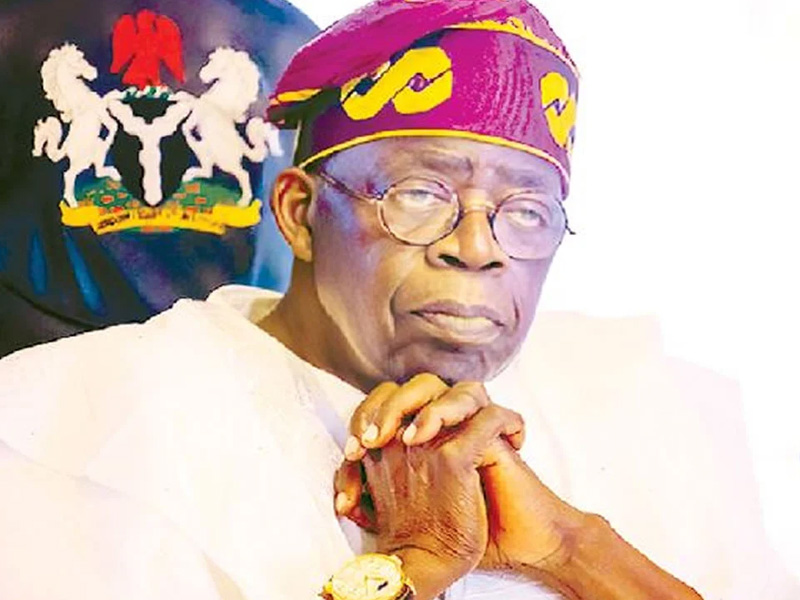
Furthermore, the report reveals that the administration's economic reforms, including the removal of fuel subsidies, currency devaluation, and adjustments to taxation, evoke memories of the painful structural adjustment policies from the late 1980s, which incurred lasting social costs without fostering inclusive growth.
Chatham House, a distinguished independent non-profit research institution based in London for over a century, is financed through a mix of sources including government grants, corporate sponsorships, and partnerships with multilateral organizations.
The report also highlighted persistent structural challenges that burden Nigeria’s economy, such as inadequate electricity supply, poor public services, and ongoing insecurity, which hamper both productivity and investment.
While economic growth appears to be concentrated in capital-intensive sectors like finance and technology, the agricultural sector, a prominent employment source, suffers from violence and logistical issues according to Chatham House.
The commentary from the organisation suggests, “Tinubu's foreign policy has been well-articulated and occasionally strategically insightful; it acknowledges Nigeria's status as a regional power and Commonwealth key player, facilitating avenues for deeper economic and security collaboration.
“However, the pressing question three years into Tinubu's presidency remains whether this visibility-driven foreign policy has produced tangible domestic benefits. Thus far, the president's internationally prominent profile has not effectively translated into enhancements in the material wellbeing of the majority of Nigerians.
“Tinubu has undertaken numerous international trips, ensuring a notable presence at summits across continents. Nevertheless, these excursions—alongside those of top officials—have faced criticism regarding their costs in light of rising poverty, hunger, and declining purchasing power domestically,” the report noted.
Chatham House, officially named the Royal Institute of International Affairs, was established in 1920 to foster understanding of global political matters, and while Nigeria has augmented partnerships with nations like the UK in counterterrorism and maritime security, these efforts have not markedly improved safety levels on the ground.
The organisation reported that violence, kidnappings, and insurgencies persist across many regions, with thousands losing their lives over the past year alone.
Chatham House posits that without concurrent advancements in governance reforms and local security frameworks, external collaborations are likely to yield only limited effectiveness. It warns that the public's perception of a government prioritizing international appearances over domestic concerns may exacerbate dissatisfaction ahead of the upcoming 2027 elections.
The report notes, “Tinubu’s administration has also sought global endorsement for its significant domestic reforms—such as removing fuel subsidies and devaluing the naira—where his team highlights various policy achievements as indicators of success.
“Such achievements include the decline of inflation from over 30% in 2024 to around 15% last month, stabilization of the naira, Nigeria’s removal from the Financial Action Task Force's (FATF) grey list, S&P;'s positive outlook upgrade, and increasing investor interest.
“Nevertheless, for many Nigerians, the combination of subsidy removal, currency devaluation, and more stringent taxation amidst inadequate safety nets recalls the 'shock therapy' of the late 1980s, when IMF-aligned reforms under General (Ibrahim) Babangida inflicted enduring social ramifications.
“Poverty continues to be prevalent, food insecurity has escalated, household expenditure is weak, and financing remains costly for small enterprises. Growth is predominantly seen in capital-heavy sectors like finance and ICT while agriculture faces crippling insecurity and systemic challenges,” the report signifies.
Moreover, the deficiencies in education, skills, and health are impacting future earnings more adversely than in comparable economies, according to the organization's findings.
Significantly, the US has detailed a distinctly different framework for its engagement with Nigeria and other African nations under the Donald Trump administration, emphasizing economic partnerships over traditional aid structures and rejecting previous moralizing attitudes towards Africa.
Nick Checker, Senior Bureau Official at the Bureau of African Affairs, elucidated Washington's Africa policy in remarks titled “America First in Africa,” asserting that the US is
Comments (0)
You must be logged in to comment.
Be the first to comment on this article!