
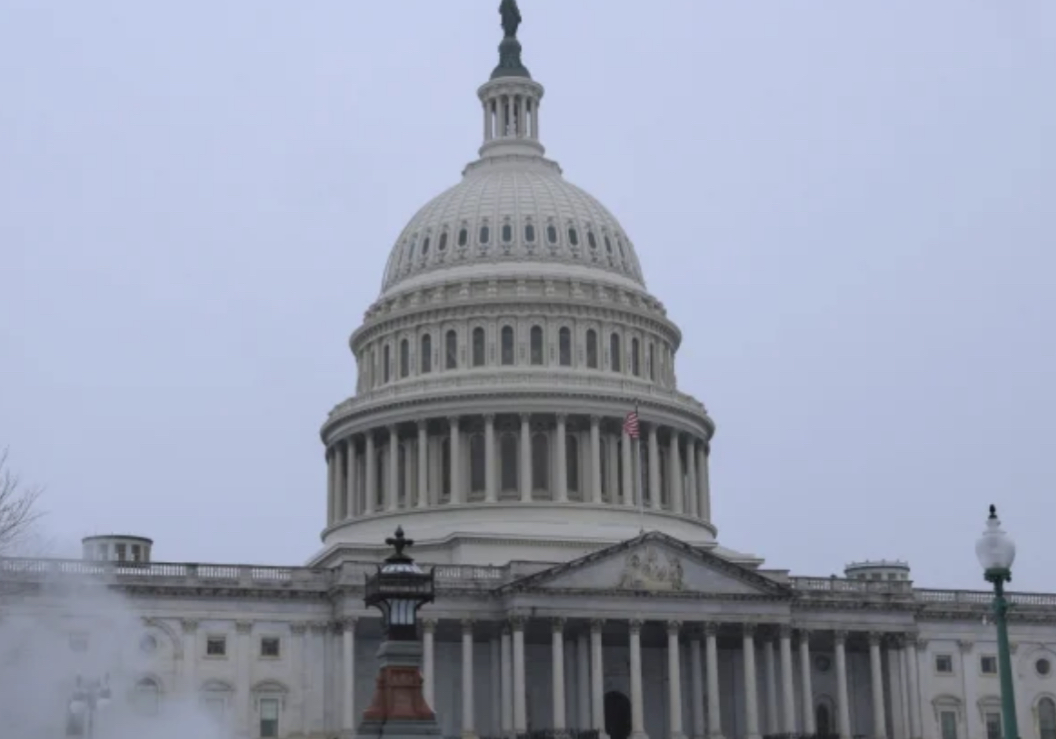
In a significant move, Republican members of the US Senate have voted against a measure intended to restrain President Donald Trump's military actions in relation to the ongoing conflict involving Iran.
The initiative, which was aimed at curtailing the president's war powers, was ultimately defeated with a vote tally of 47-53. This legislation was identified as a war powers resolution, designed to prevent further aggressive actions without the consent of Congress.
The Senate's decision follows an announcement from Secretary of Defense Pete Hegseth on Wednesday regarding the potential extension of military operations, suggesting that the war might last an additional eight weeks, exceeding initial expectations from administration officials.
During a press briefing at the Pentagon, Hegseth asserted that the United States had committed extensive resources to bolster air defense capabilities protecting both US troops and allies in the region. He cautioned, however, that some attacks from Iran might still reach their intended targets despite these efforts.
"This does not imply we can intercept every threat, but we have done everything possible to ensure maximum defense and protection for our forces prior to launching offensive operations," he explained.
While President Trump commended the US military for its effectiveness in the ongoing conflict, concerns have grown among the American public regarding the absence of a clear strategy for a resolution, particularly among those who were previously hesitant about entering into warfare.
As the conflict enters the sixth day, Iranian forces have launched strikes at Israel following the US sinking of an Iranian warship with a submarine in international waters near Sri Lanka.
Following this escalation, the Israeli military reported the commencement of renewed airstrikes against Hezbollah in the suburbs of Beirut, accompanied by air raid sirens in cities like Tel Aviv and Jerusalem.
The surprise assault led by the US and Israel on Iran commenced on Saturday, with intensifying attacks reported by midweek.
In response, Iran has continued to target Gulf states, including reported attacks on Kuwait and Bahrain, as regional nations prepare for further potential escalation amidst threats from Tehran of complete destruction to the military and economic landscape of the area.
Since the outbreak of hostilities on Saturday, it has been reported that over 1,000 individuals have lost their lives in Iran, with more than 70 fatalities in Lebanon and around a dozen in Israel.
The ongoing conflict is also impacting global oil and gas supplies, prompting international shipping disruptions, flight cancellations, and significant travel delays throughout the Middle East.
Comments (0)
You must be logged in to comment.
Be the first to comment on this article!