
I want to clarify that I do not reside in Lagos. This note seems necessary to prevent any assumptions that my remarks are biased due to my distance from the city. However, my experiences in Lagos have made it apparent that it’s essential to consider why everything seems interconnected there.
I’ll share a personal experience to illustrate a broader issue. I once missed a job opportunity explicitly because I wasn’t a Lagos resident. Although I would have been open to relocating, the temporary nature of the position meant I could have managed my presence otherwise; nonetheless, the rejection conveyed a significant message about location.
The current structure of Nigeria seems to have transformed its citizens into individuals always looking for an escape. Many young people who grow up in rural areas dream of moving to an urban environment, often setting their sights on Lagos. From there, when faced with limitations and challenges in Nigeria, many aspire for international opportunities. Consequently, the Nigerian identity has come to include the pursuit of an escape. Many youth adopt a mentality that even if they find success elsewhere, their ultimate goal is to settle in Lagos, recognized as the land of opportunities. This pursuit is why many, even those with little means, flock to Lagos in search of possibilities, resonating strongly in cultural expressions, such as FOLA's music video, "Eko."
This trend has persisted for decades. But it does raise an important question: Why?
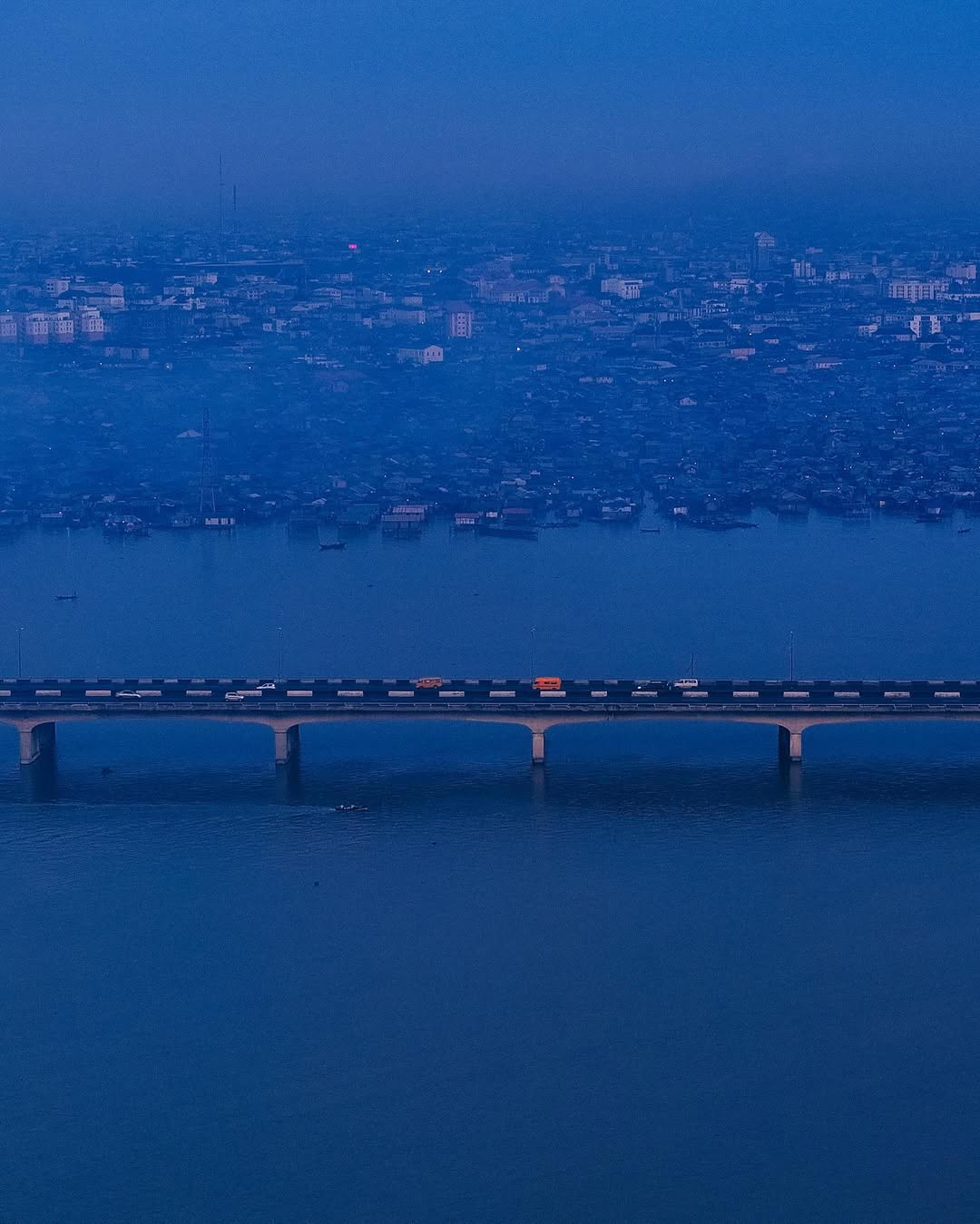
The typical cliché response is that everything happens in Lagos, with all sectors—from music and fashion to technology and business—being concentrated there. This concentration explains why Lagos stands out as Nigeria’s most populous city with over 13 million inhabitants vying for limited space. Yet, the critical inquiry is not so much about the existence of everything in Lagos, but rather why all industries had to converge in this particular city at all.
One might argue that Lagos's historical significance as the former capital contributes to this phenomenon. However, many years have elapsed since, and prosperous nations typically diversify their industries across multiple cities. For example, in the United States, industries are distributed broadly: the film industry is rooted in Los Angeles, technological innovations emerge in Silicon Valley, and New Yorkers are not solely fixated on their metropolis as the determinant of their success.
Similarly, the United Kingdom boasts various centers of industry and culture beyond London, with cities like Manchester and Edinburgh also thriving.
China has taken decentralization even further, having provinces that specialize in distinct sectors, accommodating diverse industries—from textiles to technology. This creates economic clusters where investment naturally gravitates, allowing locals to engage in the industries without necessitating a life upheaval.
In contrast, Nigeria has cultivated a national narrative that channels enthusiasm into a singular location. Hence, Lagos has emerged as a gravitational hub, while other regions are perceived as waiting areas. This pressure on Lagos has dire consequences, manifesting in housing shortages and exhausting transport. Each year, millions arrive, convinced that the city holds their future.
Ironically, this migration empties other areas of Nigeria of opportunities. Many gifted young Nigerians depart from towns and smaller cities out of necessity rather than desire. If I received a dollar for every suggestion to relocate to Lagos, I would be quite wealthy.
Children from places like Osogbo, Port Harcourt, or Makurdi should envision a promising future without feeling compelled to migrate to Lagos. They ought to see industries, studios, offices, and creative hubs in their locales that foster a sense of potential to build something meaningful. Why must an aspiring artist feel the need to relocate to Lagos to achieve success? It’s uncommon to find renowned Nigerian public figures who reside outside Lagos.
Another outcome of this concentration is the perception of Nigeria as predominantly a two-city nation on the global stage. When introducing myself abroad, it’s common for individuals to respond, "Oh, you are from Lagos?" Abuja comes up infrequently. This viewpoint has influenced foreign investments, which are disproportionately focused on Lagos.
This observation is not an indictment of Lagos, as every nation has its signature city, but unlike developed countries, this centralization often comes at the expense of other regions. Lagos is undeniably one of Africa’s most vibrant cities, reputed for its energy and ability to realize ambitions. However, Nigeria should not merely be a destination where everyone feels the need to migrate to Lagos—an issue rooted in systemic structures. Is it worth discussing?
If there is an opportunity for me in Lagos, please don’t hesitate to share it with me.
Comments (0)
You must be logged in to comment.
Be the first to comment on this article!