
Professor Yemi Oke, a Senior Advocate of Nigeria and an expert in Energy and Electricity Law at the University of Lagos, has attributed the recurrent power issues faced by Nigeria to human mismanagement instead of technical deficiencies.
In a discussion aired on ARISE News on Wednesday, Oke stated that the frequent collapses of the national grid can primarily be traced back to human factors.
"Our challenges stem from human actions. Whether it's technical issues, financial matters, or government-related problems, they all trace back to human influence," Oke asserted, pointing out that technology is not the core issue.
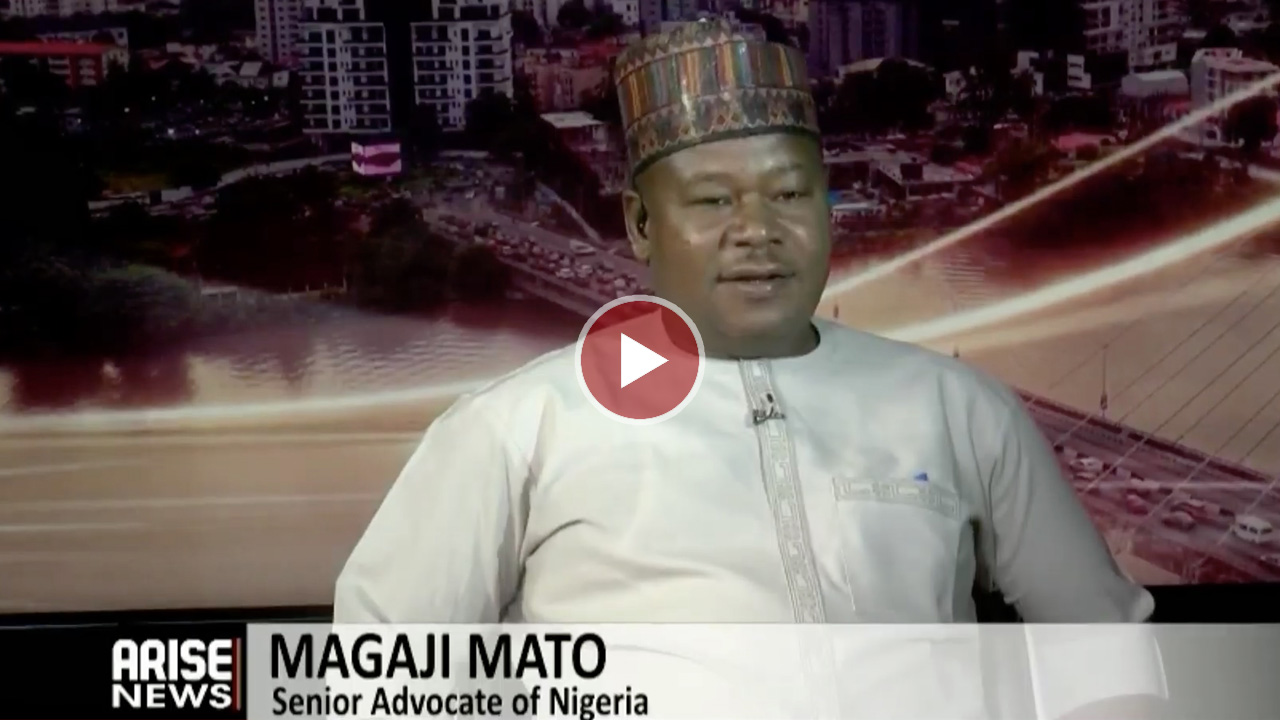
Addressing the lack of progress in executing recommended solutions, he remarked, "We must collectively decide to take the right actions in response to the challenges we are facing. While regulations exist, a shift in mindset is essential."
Oke also pointed out significant financial and commercial barriers that discourage investments in the power sector. "The sector lacks bankability due to its commercial unviability. It’s that straightforward," he said, emphasizing that a lack of dependable frameworks repels potential investors.
Additionally, he criticized the focus on electricity distribution in Nigeria, noting the neglect of low-income and rural populations. "Those in rural areas and lower-income brackets are often neglected," he explained, mentioning that high-capacity power is typically directed towards industrial users who can afford to pay for it.
Reflecting on the aftermath of the privatisation of the power sector, Oke noted, "Prior to privatisation, we were generating less than 5,000 megawatts. Post-privatisation, our output has even dipped below that. We have the capability to generate more than we can transmit effectively," underscoring the ongoing inefficiencies despite reforms.
He concluded by insisting that accountability, commercial sustainability, and a conducive investment environment are vital for revitalizing Nigeria’s power sector. "If you can establish a bankable environment for Foreign Direct Investment (FDI), investors will be drawn in. A government that fails to honor contracts or act responsibly dissuades investment and accountability. With proper structures in place, investors will show interest. That's my perspective," he stated.
Nigeria continues to grapple with frequent grid failures and inconsistent electricity supply, which jeopardizes economic activities and leaves countless citizens without reliable power sources. According to Oke, tackling issues of human mismanagement and fostering commercially viable opportunities are crucial to reforming the power sector.
Comments (0)
You must be logged in to comment.
Be the first to comment on this article!