
Zimbabwe has recorded an annual inflation rate in the single digits for the first time since 1997, a crucial milestone according to government officials, as it aligns with plans to adopt the gold-backed Zimbabwe Gold (ZiG) as the sole currency by the year 2030.
Recent data indicates a sharp drop in inflation to 4.1% in January, a substantial decrease from the 15% reported in December. This marks a significant shift towards economic stability following years characterized by rampant price fluctuations.
Finance Minister Mthuli Ncube referred to this moment as historic in an emailed statement on Monday, emphasizing that it has been nearly thirty years since Zimbabwe has seen single-digit inflation for its domestic currency.
The reduction in inflation occurs during efforts to stabilize the ZiG, introduced in April 2024 after multiple currency crises and periods of hyperinflation. The ZiG represents the country’s sixth attempt to phase out the US dollar as its primary means of transaction since 2009.
The central bank has established critical benchmarks, including maintaining single-digit inflation and securing foreign reserves capable of covering three to six months of imports, before the ZiG can fully function as the sole currency.
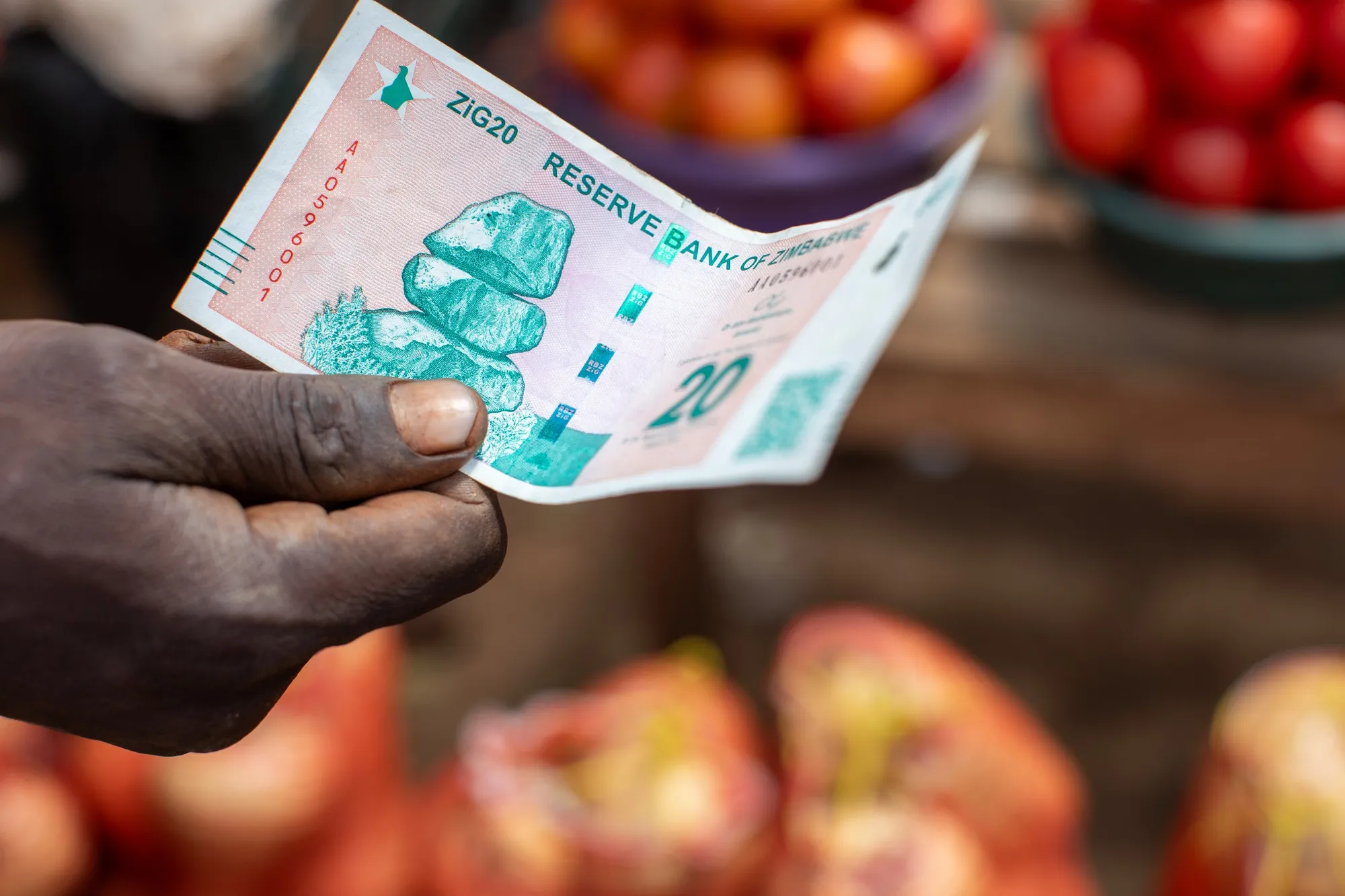
As reported by Ncube, foreign assets supporting the ZiG grew to $1.2 billion by December, a rise from $276 million at its launch. The government plans to maintain coordinated monetary and fiscal policies aimed at ensuring long-term price stability.
The Finance Ministry noted this development signifies the end of over twenty years of volatility regarding prices. In a statement released on January 26, 2026, Ncube described the achievement as integral to Zimbabwe’s broader economic ambitions.
He highlighted, "This is a critical milestone towards achieving durable macroeconomic stability, essential for sustainable growth and realizing Vision 2030, which aims for a prosperous and empowered upper-middle-income society."
Ncube attributed this progress directly to the structured rollout of the ZiG, which is underpinned by tangible assets, thereby restoring public confidence.
He remarked on the significant nature of this achievement, given that it has been nearly three decades since single-digit inflation last occurred within Zimbabwe’s domestic currency system. This success is attributed to the consistent efforts of the Ministry of Finance, Economic Development and Investment Promotion alongside the Reserve Bank of Zimbabwe, which have implemented complementary fiscal and monetary measures.
Stressing the importance of sustaining these gains, he said, "Price stability indicates low and stable inflation, typically at single digits. The government aims to uphold single-digit inflation throughout the year and beyond as part of our macroeconomic stabilization framework."
Government statistics also suggest that the declining inflation is beginning to influence household expenses positively. A comparison of prices from January to December 2025 showed minor changes or reductions in the costs of essential items such as bread, maize meal, sugar, and cooking oil.
The ministry asserted that stable prices would help protect incomes and savings, support strategic business planning, and curb speculative practices that could disrupt economic dynamics.
"For citizens, stable prices safeguard the purchasing power of their earnings and protect savings. For businesses, it enables effective long-term planning, reduces operational expenses, and improves profitability. This also mitigates conditions for speculative activities that destabilize the economic environment," the statement elaborated.
Looking forward, the government urged collaboration between businesses and labor unions to maintain this progress. Ncube called for stakeholders, especially businesses, to practice restraint in price adjustments, while encouraging workers to align their salary expectations with inflation trends.
He concluded by stating that this achievement aligns Zimbabwe with the macroeconomic standards set by the Southern African Development Community, which targets an inflation rate between 3 to 7 percent, emphasizing the need to safeguard single-digit inflation in the foreseeable future.
Comments (0)
You must be logged in to comment.
Be the first to comment on this article!