
Dr. Boniface Chizea, an economist and advocate for financial affairs, has raised concerns that mismanagement and disorganization could exacerbate Nigeria's economic woes despite potential opportunities arising from recent global events.
In a conversation with ARISE NEWS on Sunday, Chizea analyzed how soaring oil prices, global conflicts, and Nigeria's recent diplomatic visits to the United Kingdom influence the economy, highlighting the immediate struggles for Nigerians, the government’s revenue management, and wider geopolitical implications.
"First and foremost, we should not be in this predicament. It’s quite unfortunate. War is never the solution and has historically failed to deliver positive outcomes. The ongoing situation is creating crises for innocent children. If one were to target Iran, it might just spark another wave of turmoil. It raises questions about the state of global affairs," he stated.
Chizea noted the significance of the Strait of Hormuz, through which approximately 20% of the world’s oil supply transits. "That route is particularly susceptible to disruptions. Iran knows how to wield pressure against us and everyone else involved," he explained.
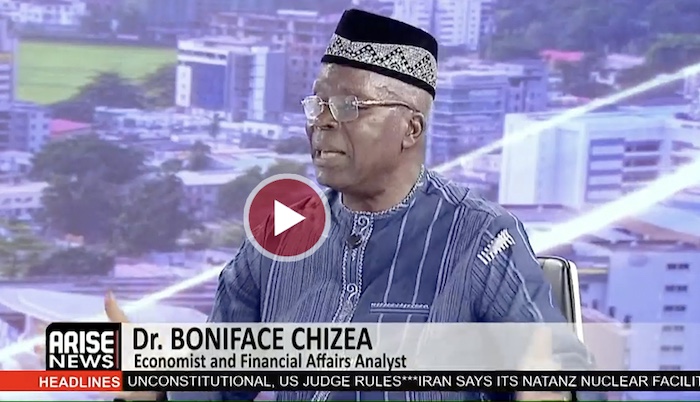
Addressing the implications of increasing oil prices, he stated, "When challenges arise, they inevitably reflect on fuel prices. This is the reality we are facing today. The moment oil prices are impacted, it sends waves across various sectors, such as transportation and agriculture. Even personal expenses at home are skyrocketing. I currently spend a staggering 40,000 Naira on diesel every three days, in addition to maintaining solar power and a generator. The endless energy problems we face highlight this crisis."
Chizea criticized the organizational inefficiencies and fiscal irresponsibility prevalent in Nigeria. "As an oil-producing nation, we should not experience such immediate repercussions as we currently do. The reason we are facing this is due to a lack of structure and proper funding capabilities despite producing around 250,000 barrels per day."
When discussing government revenues amidst this crude oil boom, he stated, “Yes, there’s an uptick, but effective governance is crucial. The government must operate according to established budgets and plans while being accountable to its commitments—something we know is not typically followed here.”
He expressed concerns regarding the potential mismanagement of surplus funds, indicating uncertainty about how much excess revenue the government actually has. "Unfortunately, there is no adequate system where we can accurately track these earnings in real time, which poses a considerable challenge."
Chizea also related Nigeria's strengths in foreign exchange within the global oil community, mentioning the changing dynamics brought about by events in Venezuela and Iran, emphasizing that, "Due to sanctions being lifted, America is now purchasing Iranian oil amidst ongoing conflicts."
Furthermore, he considered the value of Nigeria’s recent diplomatic endeavors with the UK and the necessity for meticulous management of funds allocated for infrastructure projects. “It’s a mutually beneficial arrangement, potentially involving funding and loans, but supervision is crucial. Poor management could lead to funds being misappropriated and projects failing to meet quality standards."
Chizea commended the Asaba monarchy's proactive engagement with the corporate sector, describing its approach to economic planning as innovative and reflective of a forward-thinking vision. "Asaba stands out as a unique example in Nigeria with its commitment to collaborating with corporate entities on economic initiatives through various detailed committees and SWOT analyses.”
He concluded by acknowledging the significance of Asaba’s royal leadership and its influence in lobbying for development outcomes that benefit the community, underscoring the monarchy's role in shaping the local economy.
Comments (0)
You must be logged in to comment.
Be the first to comment on this article!