
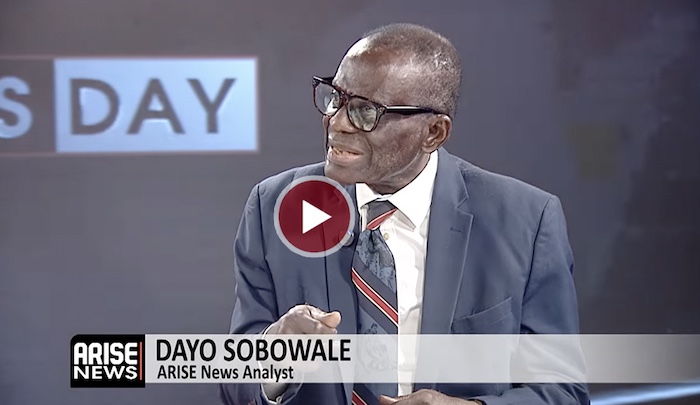
Dayo Sobowale, an analyst with ARISE News, has expressed concern that pervasive voter apathy could pose a significant threat to the forthcoming 2027 elections in Nigeria. He attributes this disengagement to a growing distrust in political parties, which he believes is particularly affecting young voters.
In a recent discussion on ARISE News, Sobowale described voter apathy as one of the most significant challenges facing Nigerian democracy, aggravated by social inequality, skepticism towards political entities, and a prevailing sense that individual votes are inconsequential. Experts caution that a lack of engagement could seriously compromise both the credibility and outcome of the general elections scheduled for 2027.
During the interview on Thursday, Sobowale highlighted that the issue of low voter turnout is not solely due to lackluster candidates but also results from deep-rooted systemic issues in Nigeria's political framework.
He remarked, "The apathy is genuine and stems from pressing societal issues," drawing attention to the stark contrast between members of the ruling party, who benefit from governmental privileges, and average citizens, who often feel sidelined in the political arena.
Sobowale pointed out that during party primaries, adherents of dominant parties often exude confidence in their party's electoral triumph, which breeds resentment and apathy among other voters. He added, "People tend to think that whether they vote or not, it won’t make a difference."
Historical governance failures, from colonialism to military rule and problematic civilian administrations, have entrenched a sense of cynicism among the populace, leading many Nigerians to feel powerless concerning political outcomes.
The analyst argued that advancements in technology, such as electronic transmission of results, are insufficient to combat voter apathy. He posed the question, "What is the benefit of a smooth electoral process if individuals do not show up to cast their votes?"
Numerous Nigerians perceive political parties as elitist structures that showcase wealth and privileges, which further distances them from political engagement.
Sobowale underscored the critical need for youth involvement, noting that young voters constitute a significant portion of the electorate but often feel disconnected from political parties and the electoral process.
He warned that the repercussions of declining voter participation could be severe, weakening democratic processes and facilitating the rise of authoritarianism. "When citizens withdraw from active participation, it becomes easier for governance systems to falter and for ineffective rule to prevail," he elaborated.
The analyst called for political actors, civil society organizations, and the Independent National Electoral Commission to prioritize voter education, transparency, and inclusive practices to restore public trust leading up to the 2027 elections.
Sobowale concluded by emphasizing that tackling voter apathy entails not just systemic changes but also active engagement from citizens. He reminded the populace that voting is not merely a privilege but a vital civic responsibility that is essential for shaping Nigeria’s political landscape.
Comments (0)
You must be logged in to comment.
Be the first to comment on this article!