
Dele Farotimi, a prominent human rights advocate, has characterized Nigeria’s electoral process as a "hollow ritual" that pretends to represent democratic values but ultimately disenfranchises the public. He claims that real outcomes are not determined by the citizens themselves.
These statements were made during a lecture at the Christian Consultative Assembly, an event organized by the Christian Social Movement of Nigeria (CSMN), which carried the theme, "2027 Election: What Are the Options?"
Farotimi emphasized that citizens should come to terms with the troubling realities of the current political landscape prior to making decisions about the upcoming elections in 2027.
He criticized the lack of adherence to the rule of law and equality, suggesting that these failures have eroded both the meaning of citizenship and the overall integrity of electoral processes in Nigeria.
The lawyer cautioned that discussions around electoral choices create a false sense of empowerment among the populace, as widespread voter apathy opens the door to manipulation. Drawing on data from the 2023 elections, he pointed out that while approximately 90 million Nigerians were registered to vote, fewer than 20 million participated in the electoral process.
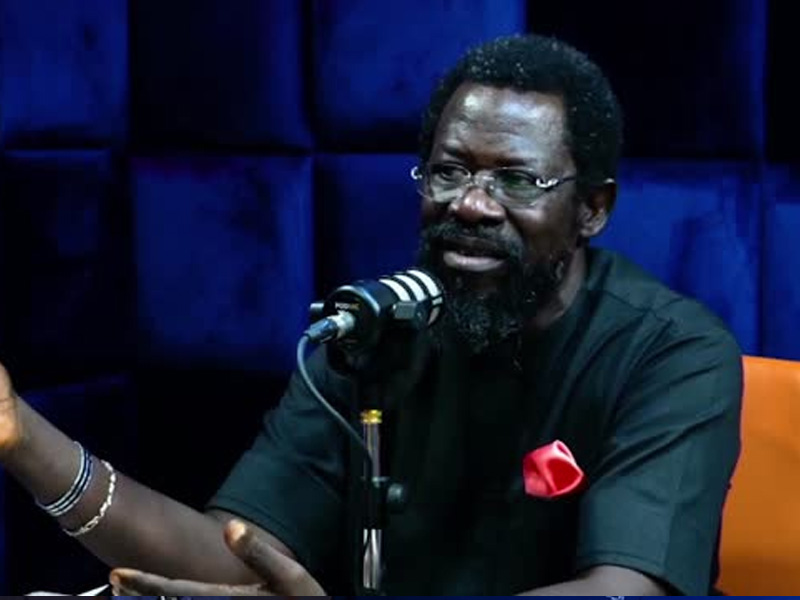
"When one refers to elections, it is expected to denote a formal and organized process of selecting leaders through voting," he stated.
Farotimi further elaborated that if Nigerians are to engage in honest self- reflection, they should concede that functional elections are absent in the country. He asserted, "Citizens cast their votes, but those votes hardly carry weight. It's more about seizing power and controlling it, which does not equate to democracy."
He extended his critique to the existing political framework, which he believes is sustained by entrenched systems that perpetuate inequality and hinder social progress.
Despite his critical perspective, Farotimi maintained that achieving peaceful transitions through voting remains a viable avenue, granted that citizens unite around common challenges and national interests rather than being divided by personal agendas, ethnic loyalties, or religious affiliations.
He urged Nigerians to concentrate on universal issues such as education, security, and justice that transcend religious and ethnic boundaries.
"Achieving peaceful change in Nigeria still hinges on the electoral process, even though you enter a playing field that is skewed against you," he commented.
Also addressing the assembly was Bosun Emmanuel, the CSMN Convener, who encouraged Christians to safeguard Nigeria's secular constitution. Emmanuel warned against efforts to integrate Christian canon law into the nation’s legal framework, cautioning that such initiatives could incite similar demands for other religious laws.
"The constitution must remain neutral regarding religion. The state's secular nature should be preserved. Implementing canon law could set a precedent for the introduction of Sharia or comparable laws in other regions," he noted.
Emmanuel also called upon Christian communities to overcome their internal disputes, underscoring that doctrinal differences and rivalries have undermined their collective influence.
In addition, Luka Binniyat, spokesperson for the Middle Belt Forum, raised concerns about the historical marginalization of Christians in the region. He emphasized the importance of political vigilance and urged citizens to support leaders committed to protecting religious freedoms and human rights.
Binniyat cautioned against electing leaders with Islamist leanings, stressing the necessity of forming coalitions that align with shared democratic principles. "We cannot passively await the events of 2027. The collective challenges facing Nigerians are pressing and require immediate action to build coalitions that uphold our values and safeguard our interests," he urged.
Comments (0)
You must be logged in to comment.
Be the first to comment on this article!