
Ibrahim Zailani, an attorney and former House of Representatives member who served the Toro Federal Constituency from 1999 to 2003, recently shared his perspectives regarding the current electoral law amendments.
Zailani raised concerns about delays in the amendment of the electoral bill, stating that the review of electoral legislation should not be a sporadic event. Instead, he believes it should be a continuous process to identify and resolve emerging flaws, especially in the digital era where electronic systems and Artificial Intelligence can enhance election credibility.
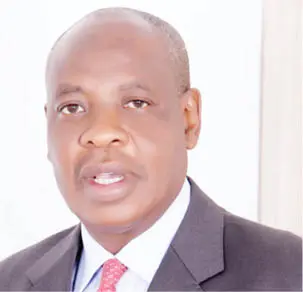
He noted that in many advanced nations, post-election reviews are swiftly conducted, involving specialists who assess the electoral process's effectiveness. This includes evaluating election materials, logistics, the conduct of security personnel, and voter behavior, culminating in documented recommendations for the electoral authority, which are then forwarded to the legislature for law amendments before the next elections.
Zailani stressed the critical need for a new Electoral Act to be implemented at least 12 months before the next election. He expressed disappointment if the proposed amendment for the Electoral Act of 2022 remains unratified, emphasizing that key stakeholders such as the Independent National Electoral Commission (INEC) and candidates must be aware of legal expectations and their roles in the electoral process.
When asked about the legislative process, he advocated for transparency and public involvement, arguing that law-making should be open rather than conducted in closed executive sessions. He acknowledged that while executive sessions exist to address sensitive matters, these should not bypass public participation, which is vital for gathering opinions on forthcoming laws.
Zailani also highlighted major recommendations for the Senate regarding the proposed electoral law, suggesting that all elections should occur on a single day rather than being staggered between presidential as well as National Assembly elections and gubernatorial and State House elections. This, he believes, would reduce electoral manipulation and associated malpractices. Additionally, he advocated for the complete adoption of electronic voting systems, including electronic result collation and prompt result announcements.
Lastly, he commented on the delays associated with the ruling party's majority in the National Assembly, asserting that the leadership of the All Progressives Congress (APC) must facilitate greater unity among its members to expedite the legislative process.
Comments (0)
You must be logged in to comment.
Be the first to comment on this article!