
Israel's ambassador to India, Reuven Azar, has questioned Pakistan's potential role as a mediator in the ongoing US-Iran ceasefire discussions, stating that Islamabad is not considered a "credible player" in the diplomatic process. Azar acknowledged that the United States might have its own strategic considerations for engaging Pakistan, but underscored that Israel's principal objective remains the complete dismantling of terrorist infrastructure situated in Southern Lebanon.
These remarks precede scheduled high-level direct discussions between American and Iranian officials on April 11, with reports indicating a possible visit by U.S. Vice President JD Vance to Islamabad for the meeting.
Azar drew a parallel between the current mediation efforts and past instances where countries like Qatar and Turkey facilitated truces in Gaza. He emphasized the importance for Israel to maintain alignment with the United States concerning the core issues and the eventual outcomes of any regional agreements.
Addressing the conflict in Lebanon, Azar differentiated between actions taken against Hezbollah and the broader negotiations with Iran. He reiterated Israel's aim in the northern region: to ensure southern Lebanon is free of Hezbollah's military capabilities, a responsibility he attributed to the Lebanese government.
The Israeli Air Force recently carried out operations that reportedly led to the elimination of over 250 Hezbollah operatives, Azar noted. He asserted that the group must be disarmed and removed from areas south of the Litani River to safeguard Israeli communities.
Regarding the US-Iran ceasefire, the ambassador expressed hope that negotiations would ultimately lead to the eradication of what he termed "existential threats" posed by Iran's nuclear program and its ballistic missile development. Although Israel has officially voiced support for the ceasefire, the situation remains precarious. Iran has accused Israel of undermining the two-week suspension of hostilities, warning that sustained strikes in Lebanon could precipitate the breakdown of the agreement and reignite tensions in the Strait of Hormuz.
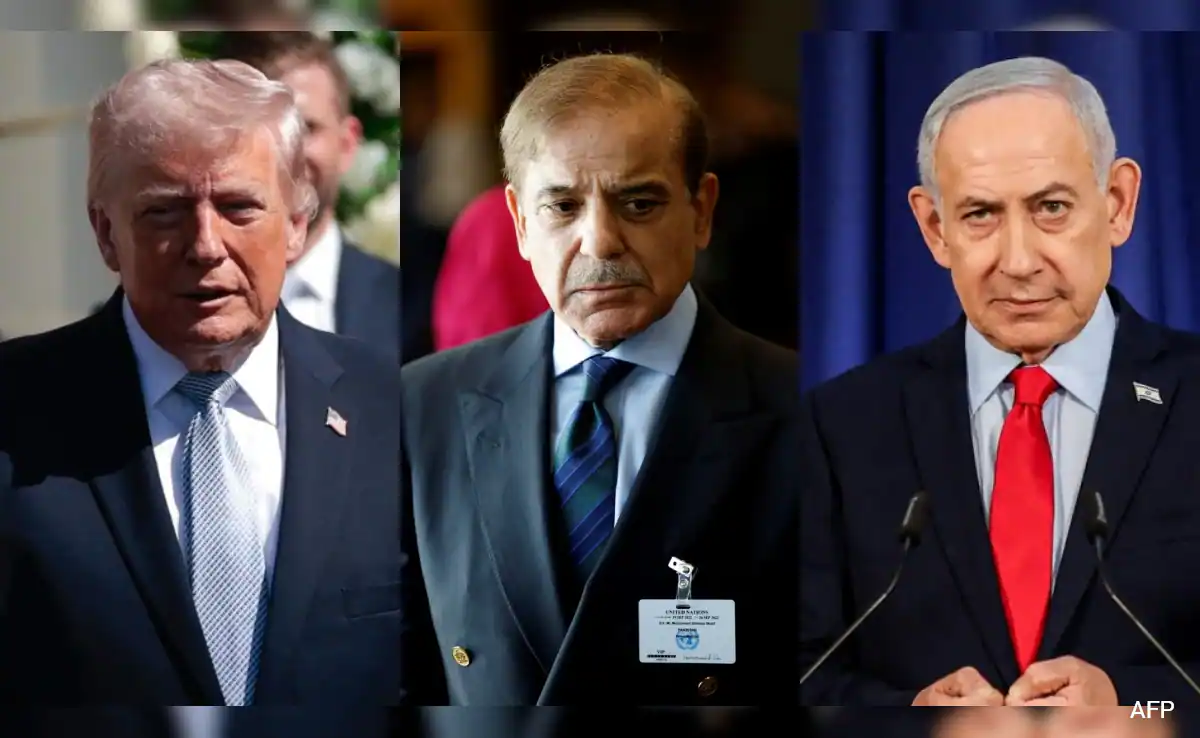
The diplomatic complexity is further amplified by the defined scope of the current truce. Both U.S. President Donald Trump and Israeli Prime Minister Benjamin Netanyahu have explicitly clarified that Lebanon is not included within the terms of the ceasefire.
As the negotiations progress, the central focus remains on whether the existing 15-point plan can adequately address the intricate security concerns of all involved parties while preserving a highly fragile peace in the region.
Comments (0)
You must be logged in to comment.
Be the first to comment on this article!