
Retired Wing Commander and Security Expert, Musa Salmanu, has characterised the recent incident in Jos as a multifaceted issue, stemming from a combination of religious, ethnic, economic, and political elements.
He explained that the violence reflects recurring patterns observed in Plateau State, where conflicts over resources, political dominance, and historical divisions between different community groups have frequently led to clashes.
"The situation in Plateau is a confluence of many factors. It's a blend of religion, ethnicity, and interwoven economic and political issues, all contributing to a profound lack of trust between communities and widening those existing divisions," Salmanu stated.
The security analyst also pointed out that the recent assaults underscore significant shortcomings in intelligence gathering and reaction capabilities, rather than a deficiency in available weaponry.
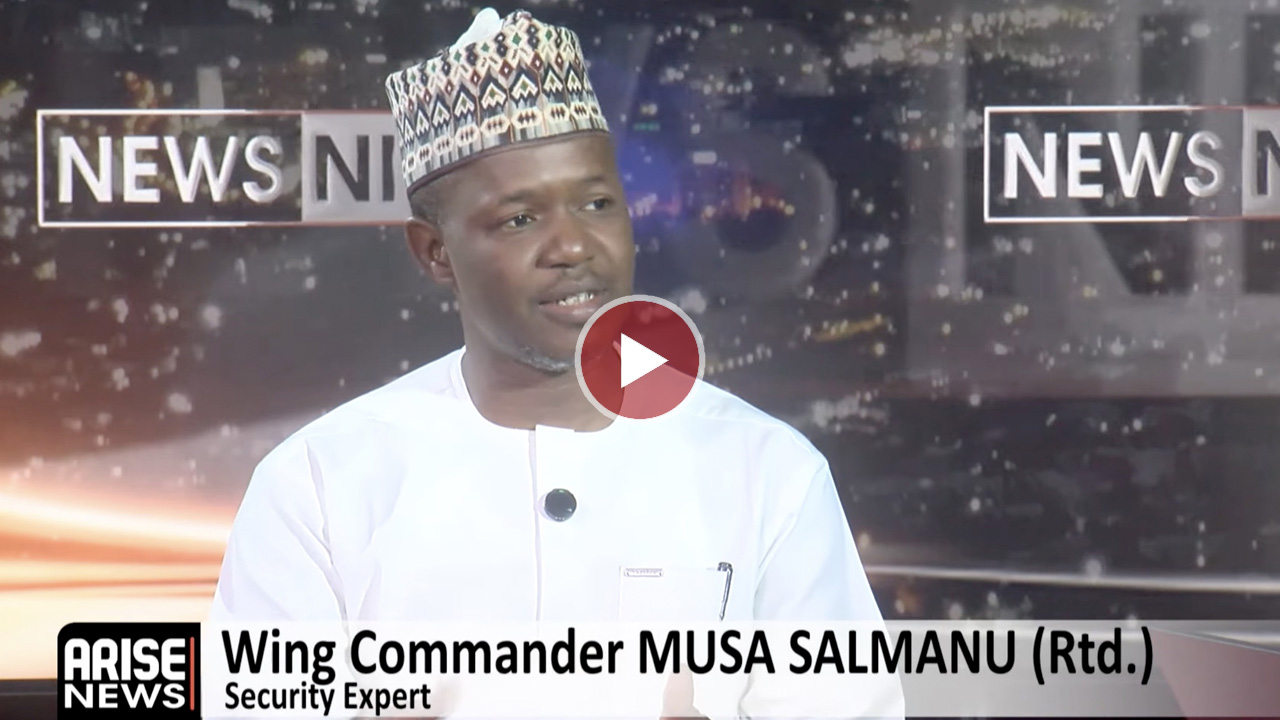
"When such events occur, the primary consideration is whether there were prior indicators. Were there any lapses in intelligence collection or in the response mechanism? What were the warning signs that something was amiss and were missed?"
He asserted that the Nigerian armed forces possess adequate equipment to address such security challenges, emphasizing that the issue lies in the operational capacity to gather, process, and act upon intelligence.
Salmanu further elaborated that measures such as curfews and restrictions on motorcycle usage often serve more as symbolic gestures than effective deterrents.
"There are indeed measures implemented following such incidents; some are symbolic, while others are genuinely impactful. Let's consider the immediate responses: imposing a curfew, banning motorcycles, and so forth. This often stems from the observation that perpetrators might have used motorcycles, leading to a decision to restrict movement. A curfew significantly disrupts daily life and causes hardship for residents, but its objective is to limit movement when such events unfold and tensions are high."
Salmanu stressed the imperative for state governments to move beyond rhetoric and implement concrete actions to effectively prevent the recurrence of such violence.
"Therefore, in my assessment, state governments must ensure their actions align with their words," Salmanu advised.
He advised against the immediate categorization of perpetrators as "terrorists," explaining that many of these violent episodes originate from local community disputes where individuals are known to each other.
"We often jump to labelling and use terms like 'terrorists,' giving it an identity we may not fully comprehend at times. However, some of these communal crises are instigated by individuals known to each other within the community," he noted.
Comments (0)
You must be logged in to comment.
Be the first to comment on this article!