
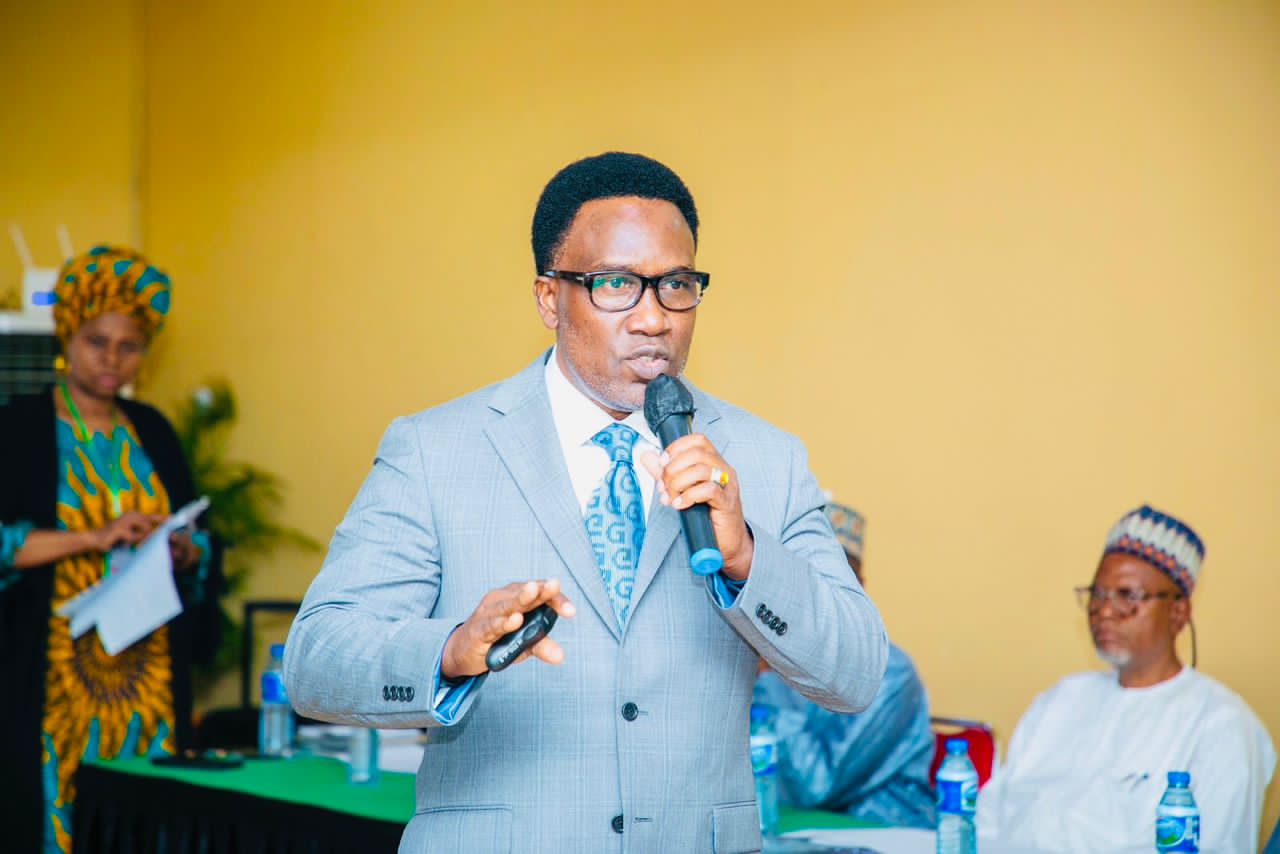
Professor Charles Anosike, the Director-General of the Nigerian Meteorological Agency (NiMet), emphasized the necessity for immediate investment in weather observation systems during his address on Wednesday. He pointed out that Nigeria's capacity to foresee and manage extreme climate events is contingent upon the quality of data being gathered today.
Speaking at the 2026 World Meteorological Day celebration held in Abuja, Anosike framed his comments around the theme, "Observing Today, Protecting Tomorrow."
He underscored that reliable and prompt weather observations are the cornerstone of forecasts, early warning systems, and climate models.
According to Anosike, the growing incidence of extreme weather events linked to climate change has made the need for dependable meteorological information more critical than ever.
Citing NiMet's 2025 climate report, he noted that at least 23 cities across Nigeria recorded extreme daytime temperatures exceeding 40°C, with Nguru facing up to 100 days of such extreme heat.
Anosike also highlighted a rising trend in flooding nationwide, stressing the urgency of implementing proactive measures to alleviate the impact of these events.
He stated, "These realities highlight a fundamental truth: without robust observation systems, we cannot accurately predict or adequately respond to climate-related risks."
The NiMet leader also mentioned the agency's ongoing initiatives to upgrade its infrastructure, which includes expanding surface and upper-air observation networks, satellite data systems, and automated weather stations. He affirmed that these improvements are essential for critical sectors like aviation safety, agriculture, disaster response, and maritime activities.
Furthermore, Anosike pointed out that government efforts alone are insufficient to address the increasing demands and underscored the importance of collaboration with the private sector. He referred to global trends showing a rise in private sector investments in weather technologies, such as remote sensing, data analytics, and AI-driven forecasting models, all necessary for establishing a sustainable national observation framework.
"Each weather station we install today enhances our capacity to protect lives and economic activities in the future," he asserted, describing investment in meteorological infrastructure as both critical and urgent.
He also mentioned that NiMet is extending its technical know-how beyond Nigeria by offering advisory services to countries like Liberia, Niger, Somalia, and Burkina Faso, as part of international partnerships coordinated by the World Meteorological Organisation.
The Director of Public Affairs and Consumer Protection at NiMet, Bimbo Oladeji, commented that the 2026 celebration theme, "Observing Today, Protecting Tomorrow," directly relates to the agency’s primary mandate.
She elaborated that observations are far from an abstract concept for NiMet; they involve a network of synoptic and agrometeorological stations, upper-air and marine observations, all managed daily under challenging circumstances to keep Nigerians informed and safe.
Oladeji noted, "This year's celebration is especially significant as it urges us to rethink how we expand and maintain our observation systems, where everyone's role becomes crucial."
The Director-General of the Nigeria Civil Aviation Authority (NCAA), Captain Chris Najomo, remarked that aviation and meteorology are closely interconnected. He stated that professionals in meteorological services provide the necessary insights to help Nigeria navigate the complex atmosphere.
Najomo reiterated that the safety of the skies relies heavily on real-time, precise data.
The event gathered meteorologists, hydrologists, scientists, and policymakers, all sharing a unified message: bolstering observation systems today is essential for safeguarding Nigeria’s environmental and economic future.
Comments (0)
You must be logged in to comment.
Be the first to comment on this article!