
My journey into the realm of social media is somewhat hazy, but I vividly recall the strong influence of my secondary school friends who painted online interactions in such vibrant colors that they made me feel left out of a monumental discovery. Although I lacked a smartphone back then, once I got my hands on one, Facebook was among the first platforms I registered for, captivated by the attention from likes and comments on my photographs, sharing ideas, and reconnecting with friends from afar.
In those early days, it was straightforward and uncomplicated, likely because there wasn’t the pronounced competition or the curation of content we see today. Users shared anything they found appealing—photos from simply eating a banana, videos of someone climbing a tree, their first bicycle ride, or new items they had acquired. It was genuinely an open playground for sharing experiences. However, advancements in digital technology have transformed this landscape significantly. Social media transitioned from a personal diary to a professional portfolio. Nowadays, individuals are often required to provide their social media accounts when applying for jobs, raising the question: why is that necessary?
This shift has profoundly affected user behavior on these platforms. The sense of enjoyment in sharing has diminished, leading people to post less about their lives or the things they used to find fascinating. Those who do share content now often do so with hopes of gaining visibility or potential profit in the future. With the emergence of artificial intelligence, algorithms now analyze our online habits and preferences, transforming what used to feel like a carefree space into a controlled environment.
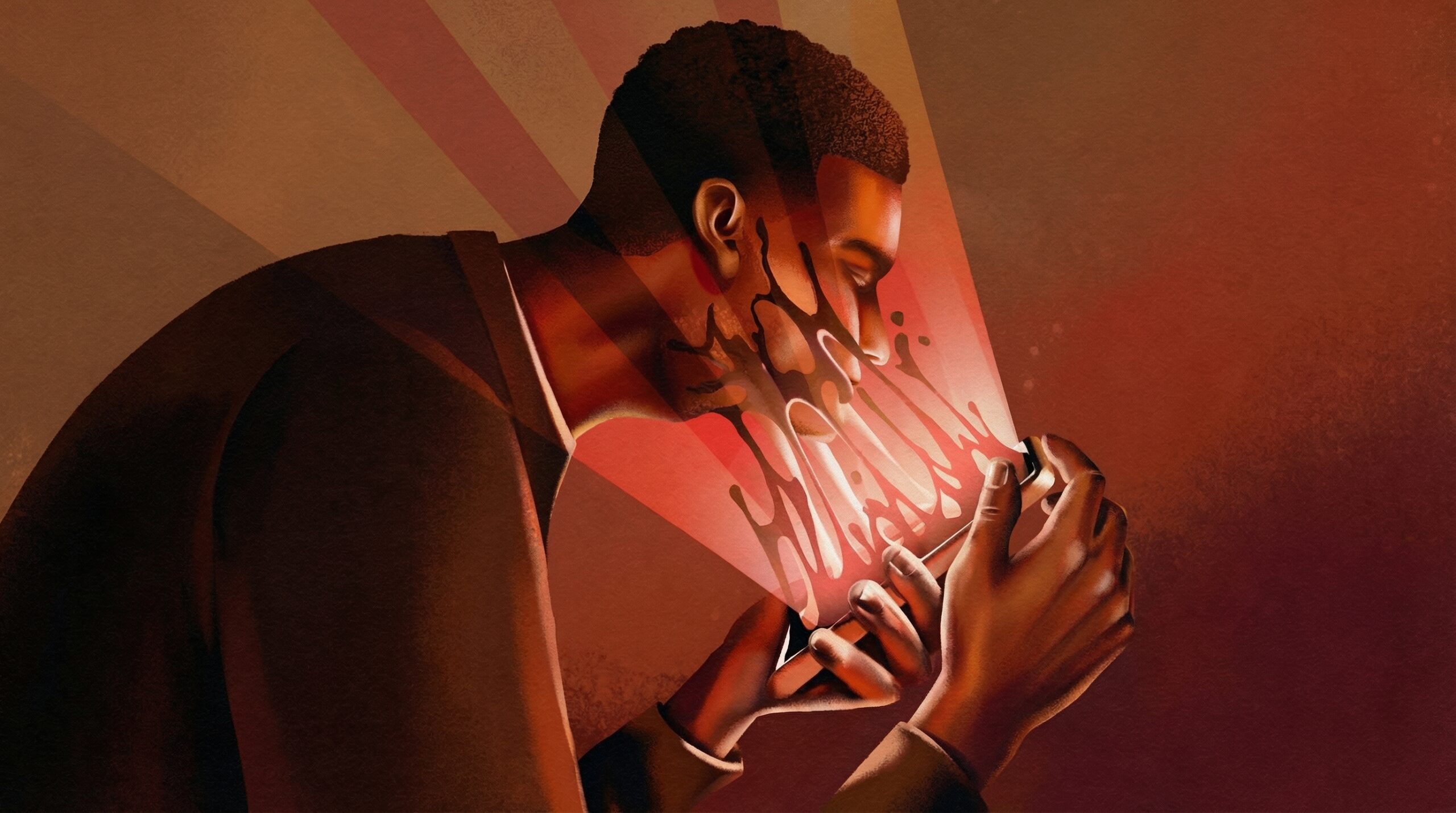
Moreover, shift factors extend beyond just the evolution of content creating. Social media has turned into a worrying environment, increasingly threatening personal safety. Users previously shared personal information freely, without fear of judgement or surveillance. In Nigeria, for example, the rise in kidnappings has left many wary, knowing that criminals are scouting social media in pursuit of targets.
What does this indicate? It highlights how we can no longer move freely without the risk of entrapment. Many enjoy showcasing their accomplishments—like acquiring their first vehicle or landing a lucrative job—but such disclosures can inadvertently make them targets. Engagements on social media, such as a tweet responding to questions about financial successes, can be exploited by malicious individuals. Observations about subtle, everyday frustrations, like the weather or power outages, can give away crucial information about one’s locale. Similarly, sharing sentiments about living alone might indicate vulnerabilities regarding one’s security.
These simple acts of sharing, once enjoyable, now carry an undercurrent of anxiety; you can never be sure who is watching your posts, noting your tweets, or tracking your photos to locate and possibly abduct you.
The power of artificial intelligence compounds this worry, allowing for deeper searches into online personas and personal data circulation.
Additionally, instances of misusing artificial intelligence tools to target individuals, particularly women, have surfaced. On the platform X (formerly known as Twitter), the AI tool Grok has been misappropriated to facilitate harassment, turning a utility meant for enhanced interaction into a means of degrading and exploiting users.
There is also increasing acknowledgment of how relentless exposure to idealized online lives can lead to mental health challenges like anxiety, loneliness, and depression. The unending comparisons regarding achievements, wealth, or happiness create a false reality where it seems everyone else is living more fulfilling lives elsewhere. It's crucial to remember that social media represents a highlight reel of life rather than the full narrative. A significant, meaningful life doesn’t require constant online validation; many important moments unfold beyond the scope of timelines and comments.
As we contemplate the future of social media usage, it's clear it will continue to evolve. New platforms will arise, and technologies like artificial intelligence will become increasingly influential in communication modalities. However, it falls upon us to regulate the degree of power we cede to these technological systems over our self-perception. It's vital to discover how to thrive offline while navigating the internet on our terms.
What are your impressions on this evolution?
Comments (0)
You must be logged in to comment.
Be the first to comment on this article!