
Kunle Fagbemi has expressed concern that Nigeria's substantial financial commitment of over $9 million for lobbying in the United States diverts essential resources from addressing security challenges, supporting internally displaced persons, and promoting national development.
During a recent interview with ARISE NEWS, Fagbemi articulated his dissatisfaction with the reasoning and the cost associated with hiring lobbying firms in the US, emphasizing that these funds could be better allocated to pressing humanitarian and security needs within Nigeria.
"Generally, lobbying may not be a flawed concept when it comes to engaging with influential stakeholders. However, when considered in context, it raises questions about the usefulness of lobbying in a situation where the US already possesses numerous resources for gathering information to inform its foreign policy decisions concerning Nigeria," he remarked.
Fagbemi highlighted that the US maintains extensive interactions with Nigeria through various diplomatic, military, and development channels, rendering the need for lobbying somewhat unnecessary. "The relationship between the governments of the US and Nigeria encompasses diplomatic and military cooperation, along with numerous overseas development assistance initiatives that enable them to access critical data and engage with key figures in Nigeria. This suggests that they have sufficient means to coordinate efforts regarding joint security and intelligence matters."
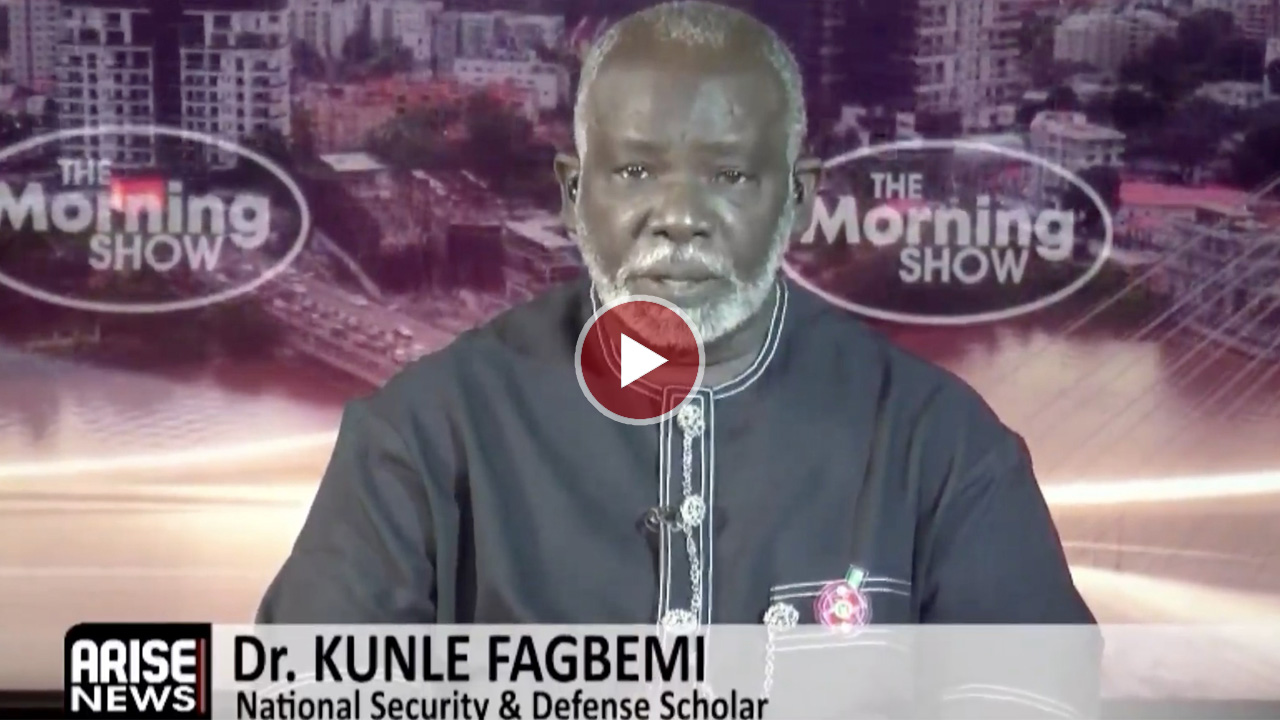
Drawing attention to the abundance of publicly available information, Fagbemi noted that Nigeria's expatriate community and media landscape offer vast data reservoirs. "It's important to remember that much of the data utilized by international bodies worldwide is derived from public sources and media. Traditional media outlets like Arise are easily accessible for data collection, and social media platforms provide extensive insights. For instance, on 'X' (previously Twitter), around 7.5 million Nigerians are active, while about 48.7 million are on Facebook, with Instagram and TikTok hosting 9.9 to 12.6 million and 37.4 million users, respectively. WhatsApp boasts penetration of over 51 million users, and there are many others on platforms like Snapchat and YouTube."
Fagbemi also criticized the selection of lobbying intermediaries, raising concerns over transparency and procurement processes. "When you examine the procurement aspects, it raises crucial questions about the DCI group's disclosures, particularly regarding ASTA Legal Services on Alkali Road in Kaduna. Is this organization a special purpose vehicle under the security and defense management system of Nigeria? If so, what procurement protocols were followed by the National Security Advisor's office, and how will the relevant committees of the National Assembly oversee it?"
He emphasized the loss of potential benefits resulting from such spending on international lobbying while critical domestic matters remain unaddressed. "If we consider the spectrum of sustainable development goals, there is significant work to be done and benefits to be gained from deploying these resources back home, especially when considering internally displaced persons who lack access to essential services for a decent livelihood. Comparing this with my earlier public statements, one must question how these actions reflect upon our integrity as a nation. It indirectly tarnishes the image of Nigerian officials, as they are now using funds for lobbying when there is still so much work to be done for the rehabilitation of IDPs."
Fagbemi pointed to recent failures in security as stark contrasts to governmental spending on lobbying. "The situation unfolded on January 3, 2026, leading to reports in the following days. An attack at Kwasandaji Market resulted in significant casualties, with around 37 to 42 people killed and many others taken hostage. Alarmingly, some students from Papiri, who had just been released, were kidnapped again. Despite this, government funds are being invested in lobbying efforts exceeding one billion."
He urged lawmakers to thoroughly oversee the lobbying expenses. "I hope that the National Assembly, particularly the Senate and House Committees on Intelligence and Foreign Affairs, will responsibly carry out their oversight functions to inquire into this matter. The identities of the involved entities on the Nigerian side, including Malam Nuhu Ribadu, the National Security Advisor, are already available, so conducting a comprehensive investigation should be straightforward."
Fagbemi underscored that the Office of the National Security Advisor should adhere to its advisory role and focus on preventing resource misallocation in the future. "This situation reflects poorly on the officials of the Nigerian state who were adamantly dismissing earlier accusations. I believe individuals like Danny Abuhala owe an apology to Nigerians for their prior statements. The current lobbying expenses demonstrate the urgent need for accountability and reflection on our priorities as a nation. Given that this spending amounts to over 13 billion naira, we must ask ourselves what could be achieved with these funds if redirected towards sustainable development goals and the welfare of our citizens."
Erizia Rubyjeana
Follow us on:
Comments (0)
You must be logged in to comment.
Be the first to comment on this article!