
Adams Oshiomhole, the former Governor of Edo State and current Senator, has described electoral fraud as the most significant crime in a democratic society. He cautioned that actions such as vote buying and result manipulation directly contradict the true essence of the people's choices.
During his appearance on News Central’s Politics HQ on Monday night, February 2, Oshiomhole addressed the delays that are hampering Nigeria's electoral reforms in preparation for the upcoming general elections in 2027.
Reflecting on his re-election campaign in 2012, Oshiomhole recounted that he won across all 18 local government areas without resorting to vote buying.
“I did not provide money to anyone,” he remarked, indicating that he had explicitly communicated to the electorate his stance against inducements.
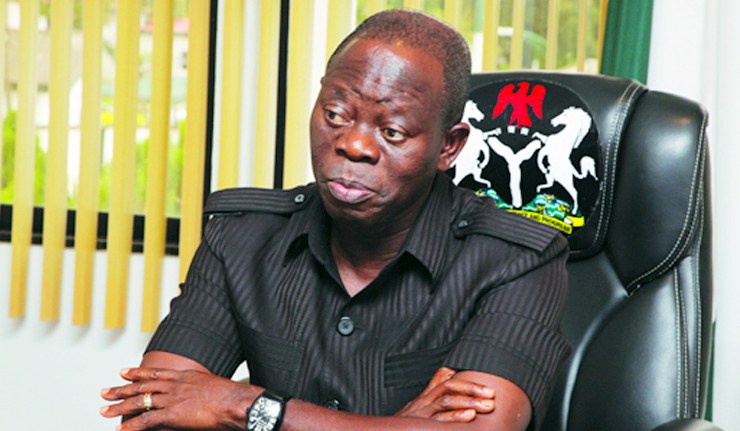
He further explained that he informed voters they were welcome to accept money from rival candidates, although he insisted his campaign would focus on results and developmental promises.
“I told them, if my opponent offers you money, you may take it—there's no receipt, no refunds. I don’t have any funds to hand out, but I promise my unwavering commitment to development,” he stated.
Oshiomhole emphasized that the integrity of elections is crucial to the essence and value of democracy.
“The gravest offense one can commit is to deceive the electorate during elections,” he remarked, asserting that democracy is strengthened when citizens actively choose their representatives to manage public resources for the greater good.
He pointed out that Nigeria's electoral laws clearly delineate punishments for practices like vote buying and election result manipulation.
“There are strict penalties for vote buying and for any presiding officer who intentionally undermines the electorate's will or alters ballot papers to favor a losing candidate,” he explained.
He noted that consequences extend beyond financial penalties.
“The repercussions include not just monetary fines; they may also involve incarceration,” Oshiomhole added.
He also highlighted that these sanctions are applicable to all parties involved, including electoral officials and candidates who partake in corrupt practices.
“INEC officials and candidates both face such penalties. The law unambiguously dictates this,” he concluded.
Comments (0)
You must be logged in to comment.
Be the first to comment on this article!