
Ticket costs for the upcoming 2026 World Cup have skyrocketed on FIFA's authorized resale platform, with prices for certain matches listed at vastly inflated amounts. Most tickets were distributed only recently after the main sales concluded in January.
Weeks after FIFA President Gianni Infantino cautioned about likely substantial surcharges on tickets sold through resale websites, those predictions have come true, even in FIFA's own sanctioned marketplace.
As of February 11, a Category Three ticket for the opening game between Mexico and South Africa at the Azteca Stadium in Mexico City on June 11 had a listing price of $5,324, which is a significant jump from its initial cost of $895.
The prices for the final match scheduled for July 19 at MetLife Stadium in East Rutherford, New Jersey, are even more staggering. A Category Three ticket is currently available for $143,750, surpassing the original price of $3,450 by more than 41 times. Meanwhile, the most affordable ticket listed for this final event stands at $9,775.
There have been occasional decreases in prices; for instance, a ticket for Austria's group-stage clash against Jordan at Levi's Stadium in California was found priced at $552, lower than its original price of $620.
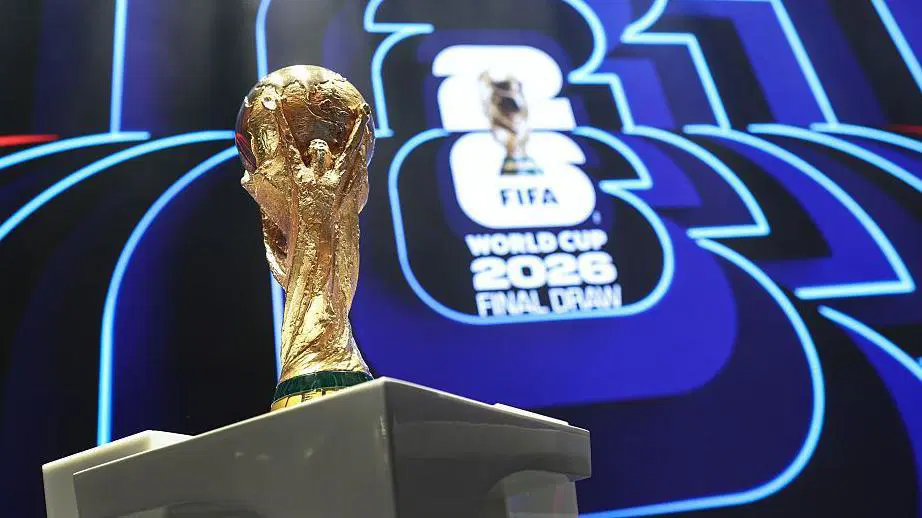
For many fans, the rising costs of resale tickets substantiate their worries about speculative purchases.
“These outrageous prices unfortunately don’t surprise me. This reflects our ongoing battle: many individuals are buying to resell,” remarked Guillaume Aupretre, spokesperson for the supporter group Irresistibles Français of the French national team, which has nearly 2,500 members.
“In the end, who bears the brunt? The dedicated fans who are faced with ludicrous prices. We would prefer to see true fans benefiting from the opportunity to support their teams, which regrettably is not happening,” he added.
Despite these exorbitant prices, demand remains high, with FIFA reporting that it has received about 500 million requests for tickets, illustrating the considerable global interest in the expanded tournament.
Although FIFA's resale platform operates under its official license, the organization specifies in its terms that it merely facilitates transactions between fans, taking a 15% commission while allowing sellers to set their own prices.
“Generally, the pricing strategy adopted for FIFA World Cup 26 aligns with current market practices for major entertainment and sports events in our host locations on a daily basis, soccer included,” FIFA stated.
“This also reflects the legal status of the secondary ticket market, differentiated from many other areas globally. Our focus is ensuring fair access to our game for both existing and potential fans.”
Resale markets in the United States and Canada are predominantly unregulated. In Mexico, reselling tickets above their listed prices is banned, but only if purchases were made in the country using local currency.
Ticketing has emerged as a major point of contention as the 2026 World Cup approaches. Fan groups, such as Football Supporters Europe, have slammed FIFA for what they describe as a “monumental betrayal” regarding pricing structures.
In light of criticism, FIFA has rolled out a limited number of $60 tickets designated for official supporter groups, though critics argue that this measure does not adequately address the broader issue of affordability.
Starting February 5, FIFA began informing applicants about the results of the second sales phase that concluded in January. An additional “last-minute” sales window is set to occur from April until the tournament ends, operating on a first-come, first-served basis.
During official sales initiatives, FIFA employs a “variable pricing” model, meaning prices can shift based on demand and availability for each match. However, FIFA insists it does not implement automatic price adjustments.
Comments (0)
You must be logged in to comment.
Be the first to comment on this article!