
Thousands of Iranians have gathered across the nation for rallies honouring the late supreme leader Ali Khamenei. His assassination, attributed to a US- Israeli strike at the start of a recent conflict, has fueled public discontent ahead of anticipated diplomatic discussions.
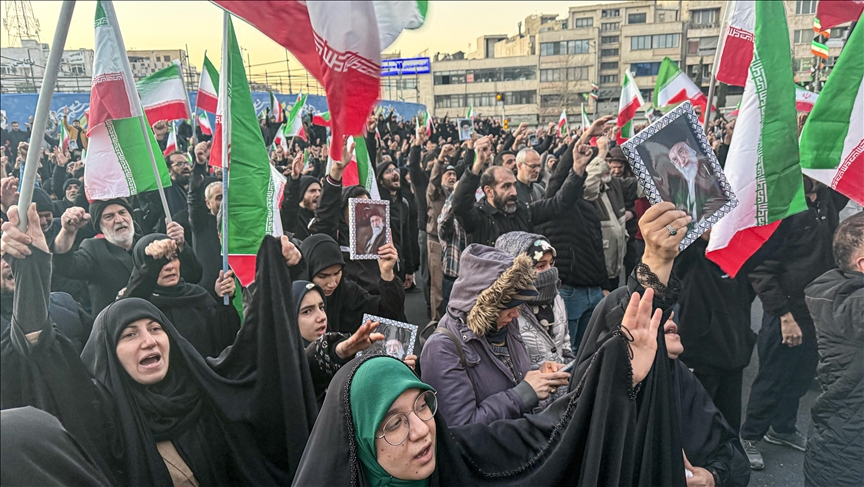
The demonstrations on Thursday marked the significant 40-day mourning period observed in Islamic tradition. Participants, holding portraits of the former leader and waving the Iranian flag, convened in various cities.
Tehran, the capital, witnessed the largest congregations, with daily life gradually returning to normal following a fragile ceasefire that took effect on Tuesday night. Significant rallies were also reported in Urmia and Gorgan.
Ali Khamenei, aged 86, led the Islamic Republic for over three decades before his reported death on February 28. Iranian officials described the event as a joint US-Israeli operation targeting his residence in Tehran, which allegedly resulted in the deaths of numerous senior military and government figures.
President Masoud Pezeshkian was among those paying respects. Images broadcast on state television showed him interacting with mourners at a ceremony.
Maryam Esmaeili, a 33-year-old employee in the private sector, voiced her grief and condemnation, calling the leader's killing a "cowardly act" and stating that the United States and Israel had "crossed our red line."
The commemorations commenced at precisely 9:40 a.m. local time, the exact moment of the alleged fatal strikes, highlighting the symbolic importance of the tribute.
Concurrently, political tensions remain elevated as Iran braces for upcoming talks in Pakistan later this week. Some demonstrators have expressed strong opposition to engaging in diplomatic dialogues in the wake of the attack.
Mojtaba Khamenei, the son of the late leader, reportedly assumed leadership in early March. However, he has not been seen publicly since allegedly sustaining injuries in a separate incident, according to Iranian authorities.
These rallies serve as a powerful expression of both national mourning and mounting political unease as Iran navigates the consequences of the assassination and the prospect of renewed international negotiations.
Boluwatife Enome
Comments (0)
You must be logged in to comment.
Be the first to comment on this article!